
Grow Queen Plant Care Guide
Lipstick Plant (Aeschynanthus radicans)
Lipstick plant is a trailing vine with waxy leaves and bright red, tubular flowers. The dark buds poke out of their cups like a tube of lipstick, which is how it got its name. It looks its best spilling over the sides of a hanging basket.

Lipstick plant is easy to keep alive but takes a little care to keep in bloom. Light, warmth and an airy mix that stays lightly moist make the biggest difference. This guide walks through Lipstick Plant (Aeschynanthus radicans) care using Grow Queen's 5 Pillars of Plant Care.
🌿 Quick Care Snapshot
🌏 Know Your Plant
The lipstick plant (Aeschynanthus radicans) belongs to the gesneriad family, Gesneriaceae, the same family as African violets. Kew's Plants of the World Online lists its native range as southern Myanmar to western and central Malesia, including Thailand, the Malay Peninsula, Sumatra, Borneo and Sulawesi. It grows there in the wet tropics as an epiphyte or on rocks, rooting along its stems instead of in deep soil. Indoors that means it wants warmth, humidity with some air flow, bright filtered light, and a light, airy mix that holds moisture without staying soggy.
• Family: Gesneriaceae (gesneriad family)
• Native from southern Myanmar to Borneo and Sulawesi (per Kew POWO)
• Epiphyte with trailing, cascading stems
• Cultivars include 'Mona Lisa', 'Rasta', 'Curly', 'Tangerine' and 'Variegata'
✨ Fun Facts
• The genus name comes from Greek words for shame and flower, likely a nod to the blushing red blooms. The species name radicans means rooting.
• In University of Florida trials, day length had no effect on flowering, but plants grown in low light bloomed much less.
• Its thick, leathery leaves store water, which helps it handle short dry spells in the wild.
• Florida researchers found that stock plants kept at a maximum of 70°F produced cuttings that bloomed sooner than ones kept warmer.
Pillar 1
🌱 Soil & Growth Medium
What they need: A light, airy mix rich in organic matter that holds some moisture.
In nature this plant grows on trees and rocks, so its roots need air as much as water. University of Florida researchers note the potting mix must have excellent aeration while still holding enough moisture. A peat-free houseplant mix that drains well works, and a hanging basket shows off the trailing stems.
• Use a pot or basket with drainage holes.
• Keep leaves from resting on the wet surface of the mix, which can invite leaf rot.
• Repot in spring when roots fill the pot, moving up only one size.
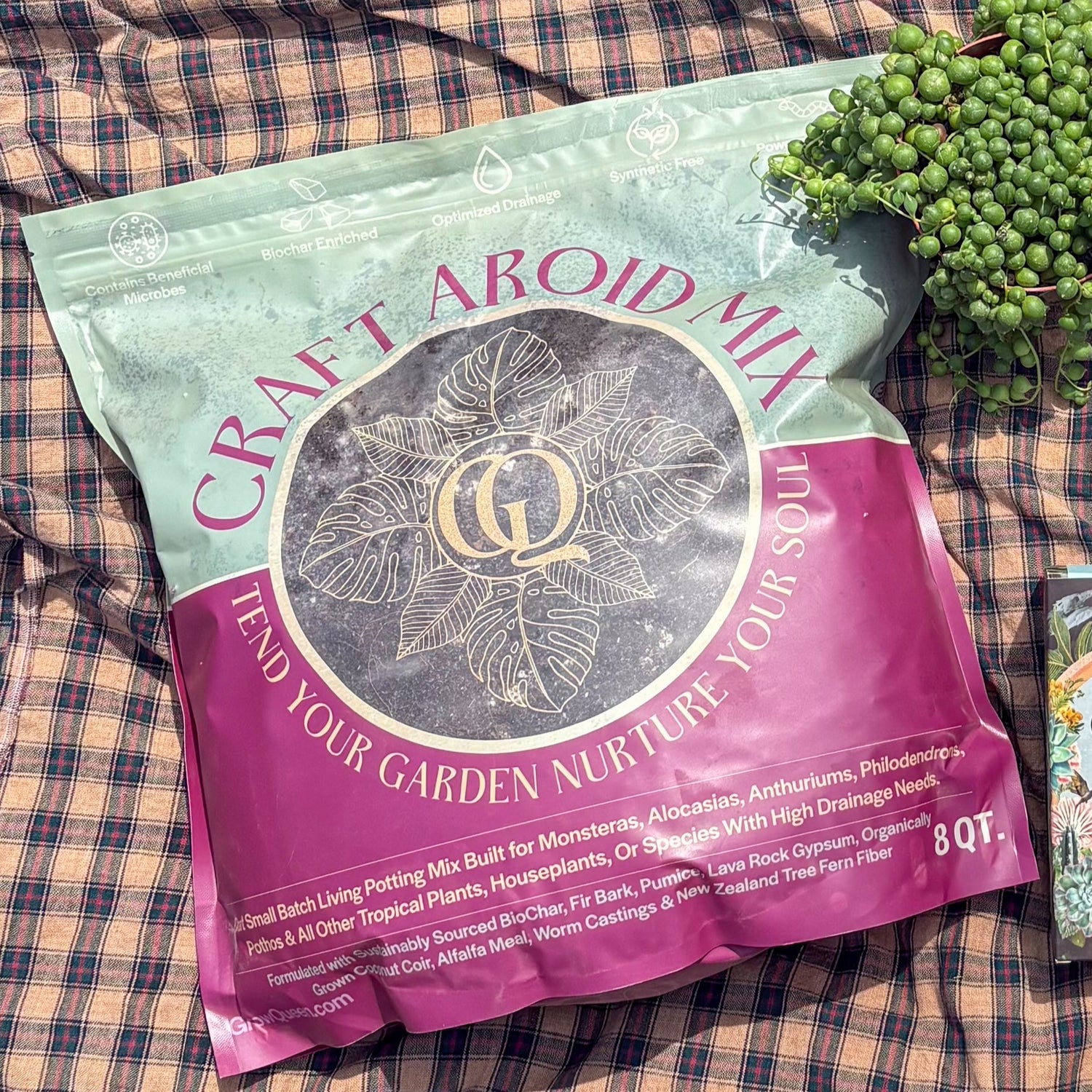
Grow Queen pick: Craft Houseplant Potting Mix. Craft Houseplant Potting Mix holds moisture evenly while staying aerated, which matches a lipstick plant's need for airy roots that never fully dry out.
Learn more: Pillar 1, Soils & Growth Mediums →
Pillar 2
☀️ Lighting
What they need: Bright, indirect light, but not hot direct sun.
Light is the main driver of flowering. University of Florida trials found plants in brighter light bloomed within six weeks, while shaded plants barely flowered, and low light in spring cut flowering. Give it a bright spot near a window with filtered sun, and keep it out of harsh midday rays.
Signs of too little light:
• Few or no flowers.
• Long, thin stems with wide gaps between leaves.
• Slow growth and dull leaves.
Signs of too much light:
• Pale, yellowish or bleached leaves.
• Scorched, brown patches on leaves facing the window.
• Leaves that look dry and crispy at the edges.
Learn more: Pillar 2, Lighting →
Pillar 3
💧 Watering
What they need: Keep the mix lightly and evenly moist during active growth.
Water often enough in spring and summer that the mix does not dry out completely, but always let the extra drain away. Its fleshy leaves can ride out a short dry spell, while soggy roots cause lasting harm. In winter, keep the plant a bit cooler and drier and check the mix before each watering.
Signs of overwatering:
• Yellowing or dropping leaves.
• Soft, dark stems near the soil line.
• Gray, fuzzy mold on lower leaves or flowers.
Signs of underwatering:
• Limp, wrinkled or thin-looking leaves.
• Flower buds dropping before they open.
• Mix pulling away from the sides of the pot.
Learn more: Pillar 3, Watering →
Pillar 4
🌡️ Environment
What they need: Warmth, humidity and moving air. Protect from cold.
NC State Extension says lipstick plant does best with soil temperatures of 65 to 70°F in the growing season, and Florida research found good growth with temperatures of 70 to 80°F. Below 50°F, leaves can turn dark red and drop. It likes high humidity, but stagnant damp air encourages fungal disease, so give it some air movement.
Ideal conditions:
• Daytime temperatures of about 65 to 80°F
• Never below 50°F
• Moderate to high humidity with gentle air circulation
• A slightly cooler, drier rest in winter
Avoid:
• Cold windowsills and drafty doors in winter
• Stuffy, damp corners with no air flow
• Wetting the leaves late in the day
Learn more: Pillar 4, Environment →
Pillar 5
🪴 Plant Nutrients
What they need: Dilute, regular feeding during spring and summer.
NC State Extension recommends a dilute liquid fertilizer, like one made for orchids, during the growing season to encourage leaves and blooms. Feed lightly through spring and summer and stop in winter when growth slows. More fertilizer will not fix a plant that is short on light.
Benefits of the right feeding:
• More flower clusters at the stem tips
• Glossy, well-colored leaves
• Steady growth on long trailing stems
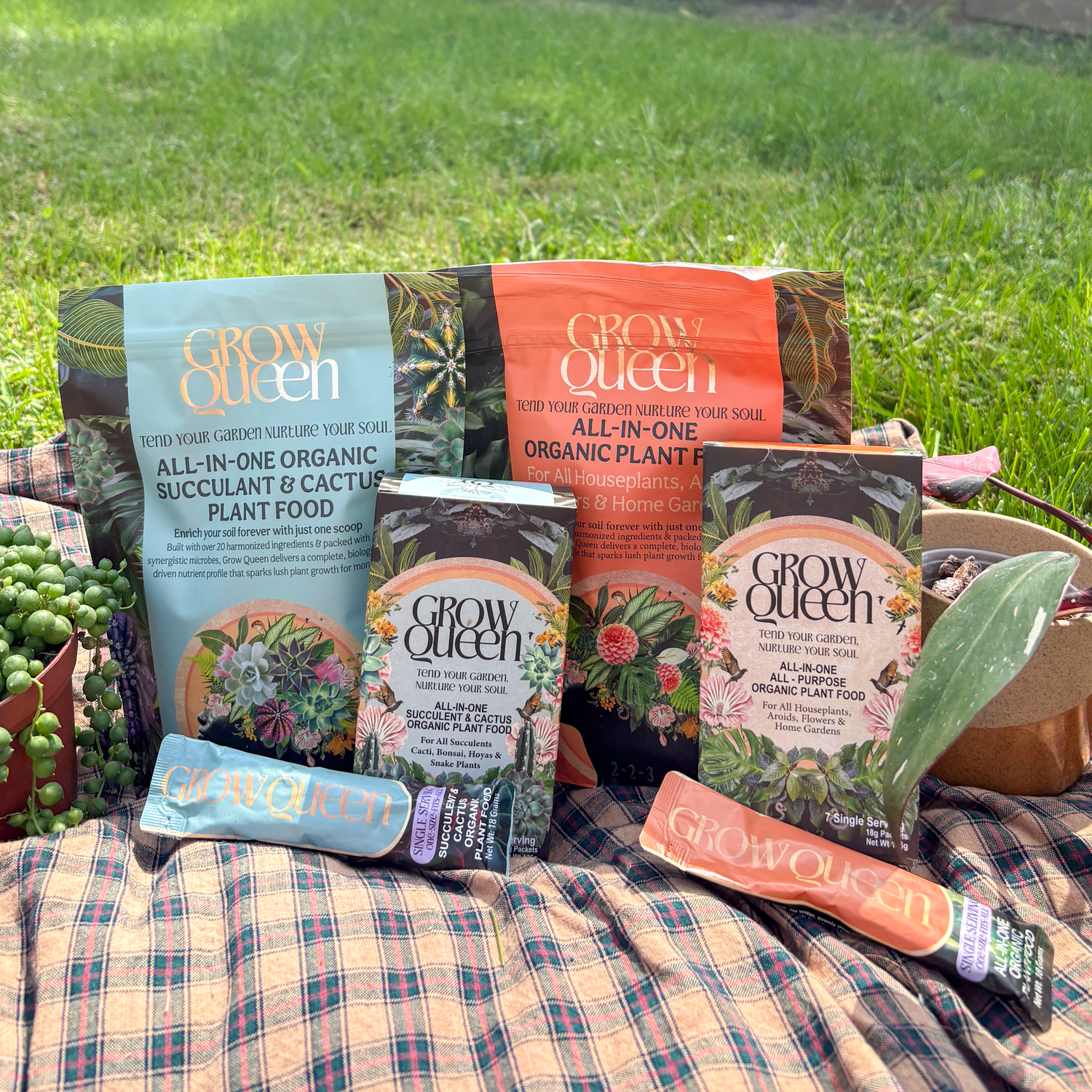
Grow Queen pick: Organic 5-5-5 Liquid Plant Food. Organic 5-5-5 Liquid Plant Food mixes into your watering can for the frequent, dilute feeding that flowering plants like this one respond to.
Learn more: Pillar 5, Plant Nutrients →
🍂 Common Problems
Why won't my lipstick plant bloom?
Low light is the most common reason. Move it to a brighter spot with filtered sun, especially in spring. Feeding with a dilute fertilizer in the growing season and a slightly cooler winter rest also help.
Why are the leaves turning red or falling off?
Cold is a likely cause. Leaves can turn dark red or drop when air temperatures fall below 50°F. Move the plant away from cold glass and drafts.
Why are the lower leaves rotting or turning gray and fuzzy?
This is often botrytis, a fungal blight that starts on leaves touching damp potting mix in cool, still air. Remove affected leaves, keep foliage off the mix, water the soil instead of the leaves, and improve air flow.
Why are the stems long and bare at the base?
Older stems naturally lose lower leaves, and low light makes it worse. Cut leggy stems back after flowering to encourage branching, and root the cuttings to fill in the pot.
✂️ Maintenance & Growth Tips
• Trim long stems after a flush of flowers to keep the plant full.
• Root three-node stem cuttings in a light, moist mix. Roots usually form in about two weeks.
• Pick off fallen flowers and dead leaves so they do not rot on the plant.
• Check leaf undersides and stem tips for aphids, mealybugs and mites. Isolate and rinse any affected plant.
• Repot every year or two in spring if roots fill the pot.
⚠️ Pet Safety
The ASPCA lists the lipstick plant as non-toxic to dogs, cats and horses. Its entry names Aeschynanthus humilis, a close relative of the A. radicans most often sold, so check the label on your plant. If your pet eats any plant and seems unwell, call your vet or ASPCA Animal Poison Control at (888) 426-4435.
🌿 Bottom Line
Lipstick plant wants what it had in the treetops: bright filtered light, warmth, humidity with some air movement, and an airy mix that stays lightly moist. Light is the key to flowers.
Feed it dilute in spring and summer, give it a slightly cooler, drier winter, and trim it after blooming. With that rhythm you can expect clusters of red flowers year after year.
Grow Queen Picks for Lipstick Plant (Aeschynanthus radicans)
The soil and food to keep your Lipstick Plant (Aeschynanthus radicans) growing strong.





0 comments