
Grow Queen Plant Care Guide
Croton (Codiaeum variegatum)
Crotons are all about color, with leathery leaves splashed in red, orange, yellow, pink and purple. Given steady warmth and bright light, they are one of the boldest houseplants you can grow.

Crotons reward consistency. Bright light keeps their colors strong, and steady warmth, moisture and humidity keep their leaves on. Here is how to cover each of the 5 Pillars. This guide walks through Croton (Codiaeum variegatum) care using Grow Queen's 5 Pillars of Plant Care.
🌿 Quick Care Snapshot
🌏 Know Your Plant
Croton, Codiaeum variegatum, is an evergreen shrub in the spurge family, Euphorbiaceae. Kew's Plants of the World Online gives its native range as Malesia to the southwest Pacific, including New Guinea, the Philippines, Fiji and Queensland, where it grows in the wet tropics. That steamy, warm home explains why crotons sulk in cold drafts and dry air, and why sudden changes often trigger leaf drop. The wild plant has plain green leaves. The colorful forms sold as houseplants are cultivated selections.
• Family: Euphorbiaceae, the spurge family.
• Native from Malesia to the southwest Pacific and northern Australia.
• Needs bright light to keep its leaf colors.
• Has a milky, irritating sap like other spurges.
✨ Fun Facts
• The genus name Codiaeum comes from kodiho, a local name for the plant on the island of Ternate in Indonesia.
• Wild crotons have plain glossy green leaves. Hundreds of cultivars were selected for their colorful patterns.
• Croton sap can permanently stain fabric, so protect your clothes when pruning.
• Croton leaves are also used in floral arrangements for their color.
Pillar 1
🌱 Soil & Growth Medium
What they need: A light, fast-draining, slightly acidic mix with organic matter.
Crotons like well-drained, humus-rich soil. The RHS recommends a light, fast-draining, slightly acidic mix with added grit. Overpotting into a pot much bigger than the root ball can keep the mix wet too long and lead to root rot.
• Repot in spring every year or two, once roots are crowded.
• Go up only one pot size at a time.
• Add grit or perlite to improve drainage.
• Always use a pot with drainage holes.
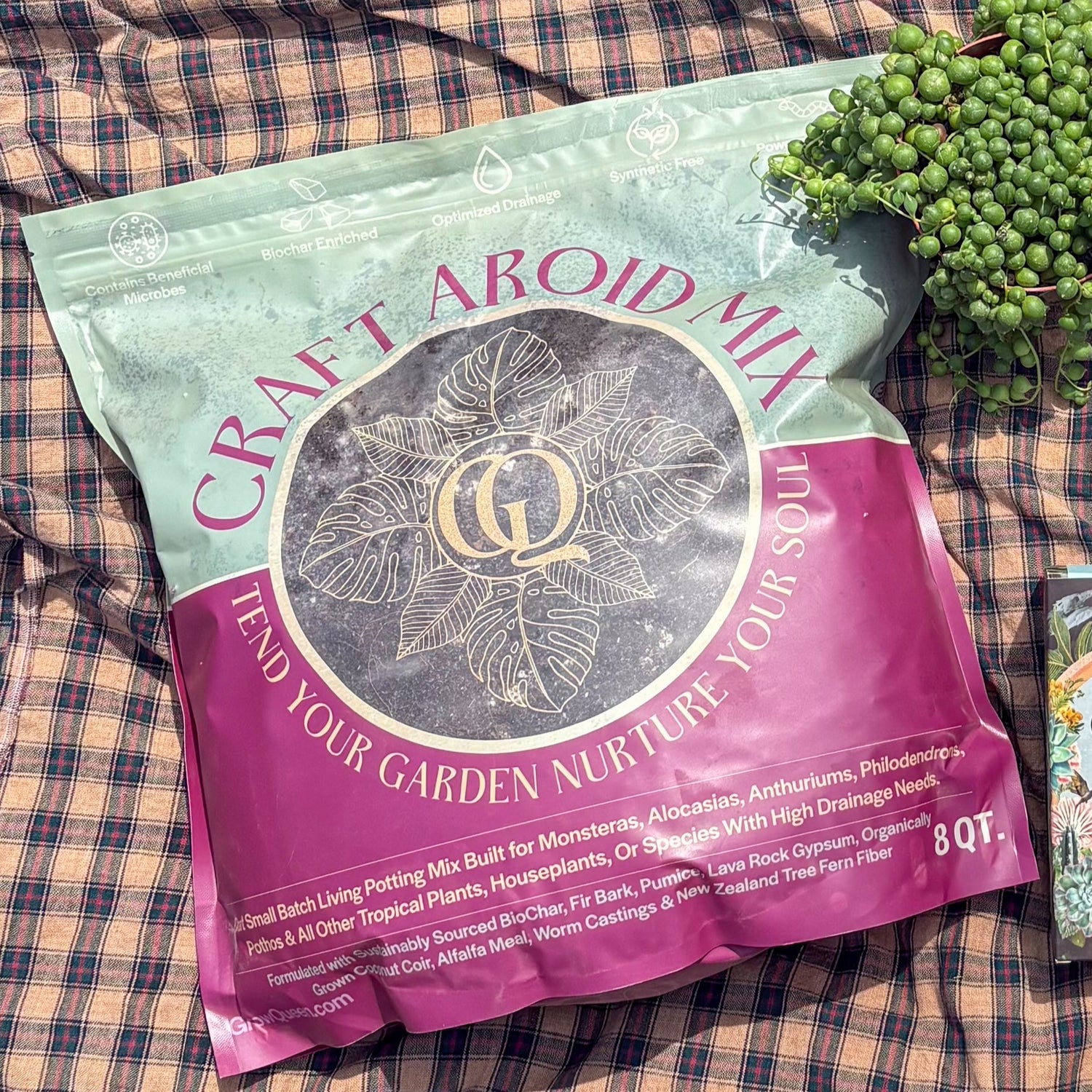
Grow Queen pick: Craft Houseplant Potting Mix. Craft Houseplant Potting Mix holds moisture evenly while staying aerated, which suits a croton that wants a humus-rich, well-drained mix; add a little grit for extra drainage.
Learn more: Pillar 1, Soils & Growth Mediums →
Pillar 2
☀️ Lighting
What they need: Bright light with some direct sun for the best color.
Crotons need bright light, with some direct sun, for their strongest colors. In too much shade the colors fade and lower leaves can drop. Hot summer sun through glass can scorch them, so filter the harshest midday light.
Signs of too little light:
• Leaf colors fade toward plain green.
• Lower leaves drop.
• Leggy, stretched growth.
Signs of too much light:
• Scorched, bleached patches on leaves.
• Faded, washed-out color.
• Crispy leaf edges near hot glass.
Learn more: Pillar 2, Lighting →
Pillar 3
💧 Watering
What they need: Water once the top layer dries, never leaving it soggy.
Water liberally from spring to fall once the top layer of mix has dried, and tip away any excess so the pot never stands in water. New leaves wilt when the plant is thirsty, which is a handy watering cue. Crotons appreciate a rest with less water from fall to late winter. The RHS suggests room-temperature rainwater, since hard tap water can make the mix more alkaline over time.
Signs of overwatering:
• Yellowing, dropping lower leaves.
• Soft, dark stems at the base.
• Mix that stays wet and smells sour.
Signs of underwatering:
• New leaves wilt or droop.
• Leaves dropping after drying out.
• Crispy leaf edges.
Learn more: Pillar 3, Watering →
Pillar 4
🌡️ Environment
What they need: Constant warmth, no drafts and humid air.
Crotons need steady warmth, around 65 to 95°F, and should not drop below 55°F. Cold drafts and sudden temperature swings are a common cause of leaf drop. Raise humidity with a tray of damp pebbles, and bring outdoor plants inside before nights reach 50°F.
Ideal conditions:
• Temperature: 65 to 95°F, never below 55°F.
• Humidity: higher than average. Use a pebble tray.
• A bright, warm spot away from doors and vents.
• Consistent conditions, with as few moves as possible.
Avoid:
• Cold drafts and temperatures below 55°F.
• Dry air from heaters.
• Sudden moves between very different spots.
Learn more: Pillar 4, Environment →
Pillar 5
🪴 Plant Nutrients
What they need: Steady feeding while it grows, none during its winter rest.
Feed during the spring and summer growing season to support new, colorful leaves. Stop feeding from fall to late winter, when crotons rest and need less water. Avoid feeding a dry or stressed plant.
Benefits of the right feeding:
• Steady new growth with strong color.
• Fuller, bushier plants.
• Better recovery after pruning.
Grow Queen pick: Organic Time Release Plant Food. Organic Time Release Plant Food is top-dressed or mixed into the soil and feeds for months, an easy way to cover a croton's spring and summer growth.
Learn more: Pillar 5, Plant Nutrients →
🍂 Common Problems
Why is my croton dropping its leaves?
Leaf drop usually comes from a change in conditions: dry mix, dry air, a cold draft, temperatures below 55°F, or too little light. Find the cause, keep conditions steady, and new leaves should follow.
Why is my croton losing its color?
It needs more light. Move it to a brighter spot with some gentle direct sun. New leaves start out green and develop color as they mature, so give them time.
Why is the plant wilting with wet soil?
This can be root rot from waterlogged mix. Let the mix dry, empty the saucer, and repot into fresh, fast-draining mix if the roots are brown and soft.
What is the fine webbing on my croton?
Spider mites are a common croton pest indoors. Isolate the plant, rinse the leaves in a shady spot or shower, and ask your local extension office about ongoing problems.
✂️ Maintenance & Growth Tips
• Prune leggy stems in spring, cutting just above a leaf joint.
• Wear gloves and keep sap off skin, eyes and fabric.
• Wipe leaves with a damp cloth to remove dust.
• Root 3 to 4 inch stem cuttings in warm conditions, around 70 to 80°F.
• Repot every year or two in spring when roots fill the pot.
⚠️ Pet Safety
We could not find croton (Codiaeum variegatum) in the ASPCA Animal Poison Control toxic and non-toxic plant list. NC State Extension and the RHS describe all parts of the plant as poisonous, and the sap as a skin and eye irritant, so we recommend keeping crotons away from pets and children. Call your vet if a pet chews on one.
🌿 Bottom Line
Crotons are colorful and dramatic, but they like consistency. Give them bright light with some gentle sun, steady warmth above 55°F, and extra humidity.
Water when the top layer dries, rest them in winter, and feed in the growing season. Keep them in one good spot and they will hold their leaves and their color.
Grow Queen Picks for Croton (Codiaeum variegatum)
The soil and food to keep your Croton (Codiaeum variegatum) growing strong.






0 comments