
Grow Queen Plant Care Guide
Dracaena (Corn Plant, Dragon Tree)
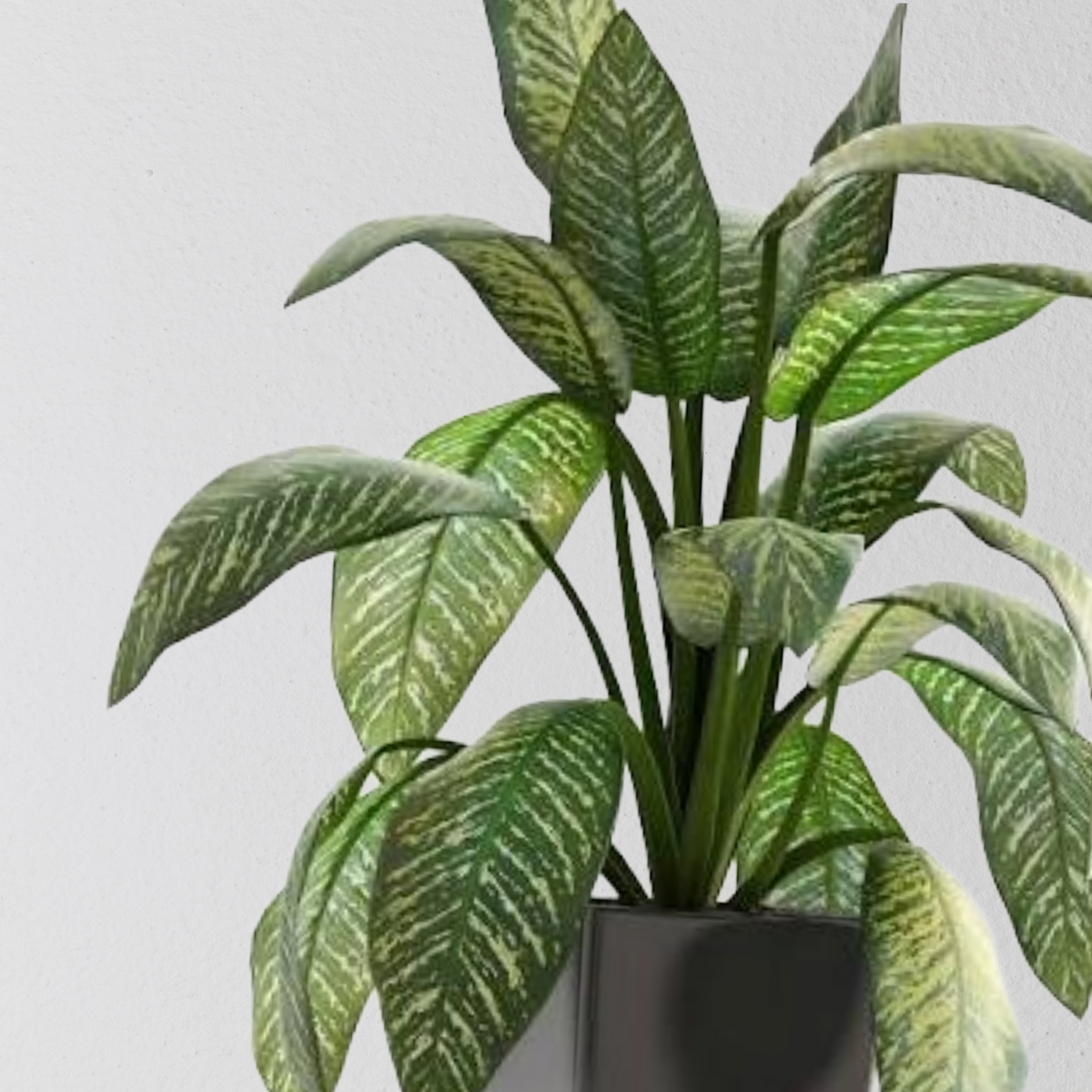
Dracaenas are tough, long-lived houseplants with strappy, often striped leaves on woody canes. Corn plant, dragon tree and their relatives bring an easy, palm-like look to homes and offices.

Most indoor dracaenas share the same simple needs: indirect light, a slight dry-down between waterings, and good water quality. Here is how to cover each of the 5 Pillars. Snake plants are now dracaenas too, but they have their own guide. This guide walks through Dracaena (Corn Plant, Dragon Tree) care using Grow Queen's 5 Pillars of Plant Care.
🌿 Quick Care Snapshot
🌏 Know Your Plant
Dracaena is a large genus in the asparagus family, Asparagaceae. The RHS notes that most come from tropical Africa, southern Asia and Australia. Corn plant, Dracaena fragrans, the most common indoor species, is native to tropical Africa according to Kew's Plants of the World Online, where it grows as a shrub or small tree in seasonally dry tropical habitat. Other popular indoor types include the Madagascar dragon tree (Dracaena marginata) and pleomele (Dracaena reflexa). DNA research also moved snake plants (formerly Sansevieria) into Dracaena, though this guide covers the woody, cane-type dracaenas.
• Family: Asparagaceae.
• Corn plant is native to tropical Africa.
• Woody stems with leaves clustered at the top.
• Sensitive to fluoride in water and soil.
✨ Fun Facts
• Corn plant gets its name from its leaves, which look like the leaves of sweet corn.
• Mature dracaenas occasionally produce clusters of small, white, starry flowers with a strong perfume.
• Dragon trees often grow natural bends in their stems, and some growers create bends by laying the plant on its side for a while.
• Snake plants were moved into the genus Dracaena after DNA research, so they are now dracaenas too.
Pillar 1
🌱 Soil & Growth Medium
What they need: A loose, fast-draining mix that still holds some moisture.
A standard houseplant potting mix works for dracaenas. The RHS recommends a loose, fast-draining but moisture-retentive, slightly acidic mix. Clemson Extension suggests keeping soil pH around 6.0 to 6.5 and avoiding mixes with a very high percentage of perlite, since both help limit fluoride injury.
• Repot every two to three years in spring, one pot size larger.
• Avoid oversized pots, which stay wet and can rot roots.
• Always use a pot with drainage holes.
• Avoid fertilizers with superphosphate, which can be high in fluoride.
Grow Queen pick: Craft Houseplant Potting Mix. Craft Houseplant Potting Mix is peat-free, holds moisture evenly while staying aerated, and is less chunky, a good fit for dracaenas that want a loose but moisture-retentive mix.
Learn more: Pillar 1, Soils & Growth Mediums →
Pillar 2
☀️ Lighting
What they need: Bright, indirect light, though many tolerate low light.
Most dracaenas grow best in bright, indirect light, such as an east or west window or a south window behind a sheer curtain. Many tolerate lower light, and dragon tree and 'Warneckii' are known for it. Keep them out of direct summer sun, which can scorch round dry patches and streaks into the leaves.
Signs of too little light:
• Slow growth and thin new leaves.
• Stripes and color looking faded.
• Lower leaves thinning out on the canes.
Signs of too much light:
• Round dry patches or streaks on leaves.
• Scorched, bleached areas.
• Brown leaf tips.
Learn more: Pillar 2, Lighting →
Pillar 3
💧 Watering
What they need: Water thoroughly once the top 1 to 2 inches are dry.
Let dracaenas dry slightly between waterings, then water thoroughly once the top 1 to 2 inches of mix feel dry. Use room-temperature rainwater or filtered water, since fluoride in tap water can brown the leaf tips and cold water should be avoided. Never leave the pot sitting in water, and expect to water less often in winter as the mix dries more slowly.
Signs of overwatering:
• Sudden loss of many leaves.
• Yellowing leaves and soft, dark canes at the base.
• Mix that stays wet and smells sour.
Signs of underwatering:
• Brown, dry leaf tips.
• Drooping, dull leaves.
• Lower leaves drying and dropping.
Learn more: Pillar 3, Watering →
Pillar 4
🌡️ Environment
What they need: Steady warmth, no drafts, and a bit of extra humidity.
Clemson Extension recommends normal house temperatures of about 60 to 70°F by day, with nights about 10°F cooler, while the RHS gives a best-growth range of about 65 to 86°F. Either way, keep them warm and away from cold drafts and hot radiators. Dry tips and edges usually come from low humidity, so a pebble tray or grouping plants helps when indoor humidity drops below 30 to 40 percent.
Ideal conditions:
• Temperature: about 60 to 85°F, slightly cooler at night.
• Humidity: above 30 to 40 percent if you can. Use a pebble tray in winter.
• Bright, indirect light from an east or west window.
• A stable spot away from doors and vents.
Avoid:
• Cold drafts and sudden temperature changes.
• Hot radiators and heating vents.
• Fluoridated tap water and superphosphate fertilizers.
Learn more: Pillar 4, Environment →
Pillar 5
🪴 Plant Nutrients
What they need: Monthly feeding in spring and summer, without overdoing it.
Feed dracaenas about once a month in spring and summer with a foliage plant fertilizer, or use a time-release fertilizer. Skip feeding in fall and winter. Too much fertilizer can burn or yellow leaf tips and margins and damage the roots.
Benefits of the right feeding:
• Steady new leaves at the top of the canes.
• Strong leaf color and stripes.
• Healthy regrowth after pruning.
Grow Queen pick: Organic Time Release Plant Food. Organic Time Release Plant Food is a dry, slow-feeding option, and Clemson Extension notes time-release fertilizer works well for dracaenas.
Learn more: Pillar 5, Plant Nutrients →
🍂 Common Problems
Why are my dracaena's leaf tips brown?
The usual causes are fluoride in tap water, dry air, uneven watering, too much sun, or overfeeding. Switch to rainwater or filtered water, raise humidity, and keep watering steady.
Why did my dracaena suddenly drop a lot of leaves?
Sudden leaf loss can come from temperature changes, cold drafts, too much water, poor drainage or a heavy pest problem. Check the roots and drainage, and keep the plant in a stable, warm spot.
Why are there dry patches or streaks on the leaves?
Round dry patches and streaks are often sun scorch. Move the plant out of direct sun into bright, indirect light.
What are the bumps or fine webbing on the leaves?
Scale insects and spider mites are the most common dracaena pests, and mealybugs can show up too. Isolate the plant, wipe the leaves, and ask your local extension office for help with ongoing problems.
✂️ Maintenance & Growth Tips
• Cut tall or bare canes at the height you want. New leaves will sprout just below the cut.
• Root tip or stem cuttings, or remove and pot basal shoots.
• Wipe dust from the leaves with a damp cloth.
• Remove dead lower leaves as the canes grow.
• Repot every two to three years in spring.
⚠️ Pet Safety
The ASPCA lists dracaena (Dracaena spp., including corn plant and Madagascar dragon tree) as toxic to dogs and cats because of saponins. Signs can include vomiting (sometimes with blood), depression, loss of appetite, drooling and, in cats, dilated pupils. Keep dracaenas out of reach and call your vet or the ASPCA Animal Poison Control Center if a pet chews on one.
🌿 Bottom Line
Dracaenas are easy, forgiving plants. Give them bright, indirect light, water thoroughly once the top inch or two dries, and use rainwater or filtered water to keep the tips green.
Keep them warm and out of drafts, feed monthly in spring and summer, and prune canes when they get too tall. They will keep growing for years.
Grow Queen Picks for Dracaena (Corn Plant, Dragon Tree)
The soil and food to keep your Dracaena (Corn Plant, Dragon Tree) growing strong.






0 comments