
Grow Queen Plant Care Guide
Indoor Ferns (Boston, Maidenhair, Bird's Nest)
Ferns bring soft, layered green to a room in a way few houseplants can. From the arching fronds of a Boston fern to the glossy rosette of a bird's nest fern, there is a fern for almost every shelf and hanging basket.

Most indoor ferns share the same basic needs: even moisture, filtered light and more humidity than the average home. This guide covers the common ground and calls out where Boston, maidenhair and bird's nest ferns differ. This guide walks through Indoor Ferns (Boston, Maidenhair, Bird's Nest) care using Grow Queen's 5 Pillars of Plant Care.
🌿 Quick Care Snapshot
🌏 Know Your Plant
Ferns are seedless plants that reproduce by spores, not seeds. The ferns sold as houseplants come from many families and regions. Boston fern (Nephrolepis exaltata) is native to tropical and subtropical America, including Florida, according to Kew's Plants of the World Online. Bird's nest fern (Asplenium nidus) is an epiphyte from the Old World tropics that grows on trees rather than in soil. Maidenhair ferns (Adiantum) have thin, delicate fronds that dry out quickly. What they share indoors: they want moisture at the roots, humid air, and light that is bright but filtered, like a forest understory.
• Reproduce by spores, not seeds
• Boston fern: native to tropical and subtropical America (per Kew POWO)
• Bird's nest fern: an epiphyte from the Old World tropics
• Leathery-leaved ferns handle home conditions better than thin, lacy ones
✨ Fun Facts
• The Boston fern is a natural variant that was discovered in 1894 in a large shipment of ferns sent from Philadelphia to Boston.
• Many Boston ferns sold today are named sports, or mutations, of the original. The species throws off new sports often.
• Bird's nest fern grows as an epiphyte, forming a rosette or 'nest' of glossy, undivided fronds that can reach about 5 feet long.
• Asparagus fern is not a true fern at all. It is a close relative of the asparagus we eat.
Pillar 1
🌱 Soil & Growth Medium
What they need: A porous, organic mix that stays moist without turning soggy.
Ferns grow best in an organic potting medium similar to the forest soils they come from. The mix should hold moisture but let excess water drain quickly, because standing water damages roots. A general houseplant mix with good organic content works well for most indoor ferns.
• Use a pot with drainage holes and empty the saucer after watering.
• Repot overcrowded ferns in early spring.
• Division is the easiest way to propagate most ferns.
• Bird's nest fern likes a slightly grittier mix than Boston or maidenhair.
Grow Queen pick: Craft Houseplant Potting Mix. Craft Houseplant Potting Mix holds moisture evenly while staying aerated, which matches a fern's need for steady moisture without soggy roots.
Learn more: Pillar 1, Soils & Growth Mediums →
Pillar 2
☀️ Lighting
What they need: Medium, filtered light. Protect fronds from direct sun.
Tropical ferns grow poorly in truly low light, but direct sun burns their fronds. An east-facing window, a bright north window, or a spot a few feet back from a south or west window is a good fit. In the short days of winter, you can move ferns closer to a brighter window, then pull them back as the sun gets stronger in spring.
Signs of too little light:
• Sparse, thin growth with few new fronds.
• Pale green color.
• Fronds stretching toward the window.
Signs of too much light:
• Bleached or yellowed fronds.
• Brown, scorched patches.
• Frond tips drying out quickly even with regular watering.
Learn more: Pillar 2, Lighting →
Pillar 3
💧 Watering
What they need: Evenly moist, never soggy, never bone dry.
Water thoroughly until it drains from the bottom, then wait until the surface just starts to feel dry before watering again. Do not let ferns dry out completely, but do not keep the soil wet all the time either, since soggy soil leads to root rot. Use room temperature water, because cold water can damage tropical roots. In winter, growth slows and pots dry more slowly, so check the soil first. Species differ: maidenhair wants to stay moist at all times, while Boston fern is the most drought tolerant of the commonly grown ferns.
Signs of overwatering:
• Yellowing fronds and a soggy, sour-smelling mix.
• Wilting even though the soil is wet.
• Fronds collapsing at the base.
Signs of underwatering:
• Crispy, brown frond tips and edges.
• Brown tips and edges on the small leaflets.
• Whole fronds wilting or shriveling, fastest on maidenhair.
Learn more: Pillar 3, Watering →
Pillar 4
🌡️ Environment
What they need: Mild temperatures and high humidity, without drafts.
Most ferns like daytime temperatures of about 60 to 70°F, with nights around 10°F cooler. Home air is usually too dry for thin-leaved ferns, especially in winter. Sources disagree on misting: some suggest light misting, while the University of Minnesota says it does little and can encourage leaf spot, so a humidifier is the better choice.
Ideal conditions:
• Daytime 60 to 70°F, nights about 10°F cooler
• High humidity, around 50% or more for maidenhair
• Good air circulation, away from walls and crowded corners
• A humidifier, or double potting with moist sphagnum moss around the inner pot
Avoid:
• Direct sun on the fronds
• Hanging baskets right near the ceiling, where air is hottest and driest
• Heating vents and cold drafts
Learn more: Pillar 4, Environment →
Pillar 5
🪴 Plant Nutrients
What they need: Light, half-strength feeding during active growth only.
Ferns have modest needs and are easier to damage with fertilizer than most houseplants. Feed lightly about once a month from spring through late summer at half the label rate, and stop in winter. Do not feed newly purchased or repotted ferns for about six months. Overfeeding shows up as browning that starts at the frond tips.
Benefits of the right feeding:
• Deep green fronds instead of pale ones
• Steady production of new fronds
• Fuller plants that recover better after division
Grow Queen pick: Organic 5-5-5 Liquid Plant Food. Organic 5-5-5 Liquid Plant Food mixes into watering water, so it is easy to dilute to the gentle, half-strength feeding ferns prefer.
Learn more: Pillar 5, Plant Nutrients →
🍂 Common Problems
Why are my fern's fronds turning brown and crispy?
Low humidity is the most common cause, especially in winter and on thin-leaved ferns like maidenhair. Dry soil and overfeeding can also brown the tips. Keep the soil evenly moist, add a humidifier, and move the fern away from heating vents.
Why is my Boston fern turning brown at the edges?
Dry indoor air, especially in winter, browns the tips and edges of the small leaflets. Dry soil and overfeeding cause similar browning. Keep the mix evenly moist, raise the humidity, and keep the plant out of hot, dry spots near the ceiling or vents.
Why is my maidenhair fern dying back?
Maidenhair is one of the hardest ferns to grow at home. It needs soil that stays moist at all times and high humidity, and a single dry spell can shrivel the fronds. Cut off dead fronds, keep the soil moist, and give it a humid spot such as a bright bathroom.
Why are the fronds pale or yellow?
Pale fronds can mean the plant needs a little fertilizer, or that it is getting too much direct sun. Yellow fronds with soggy soil point to overwatering. Check the soil and light first, then feed lightly during the growing season if needed.
✂️ Maintenance & Growth Tips
• Snip off dead or damaged fronds at the base.
• Divide crowded ferns in early spring to make new plants.
• Rinse dusty fronds with a gentle spray of lukewarm water.
• Keep ferns out of high-traffic spots, since fronds bruise easily.
• Check for scale and mites. Isolate and rinse any affected plant.
⚠️ Pet Safety
The ASPCA lists Boston fern (Nephrolepis exaltata 'Bostoniensis') as non-toxic to dogs and cats. We could not find maidenhair fern or bird's nest fern on the ASPCA's plant list, so use caution and keep them out of reach until you can confirm. Watch out for asparagus fern, which is not a true fern and is listed by the ASPCA as toxic.
🌿 Bottom Line
Indoor ferns want three things: evenly moist soil, filtered light and humid air. Get those right and most ferns are easier than their reputation.
Start with a forgiving type like Boston or bird's nest fern, feed lightly, and save maidenhair for when you can give it steady moisture and humidity.
Grow Queen Picks for Indoor Ferns (Boston, Maidenhair, Bird's Nest)
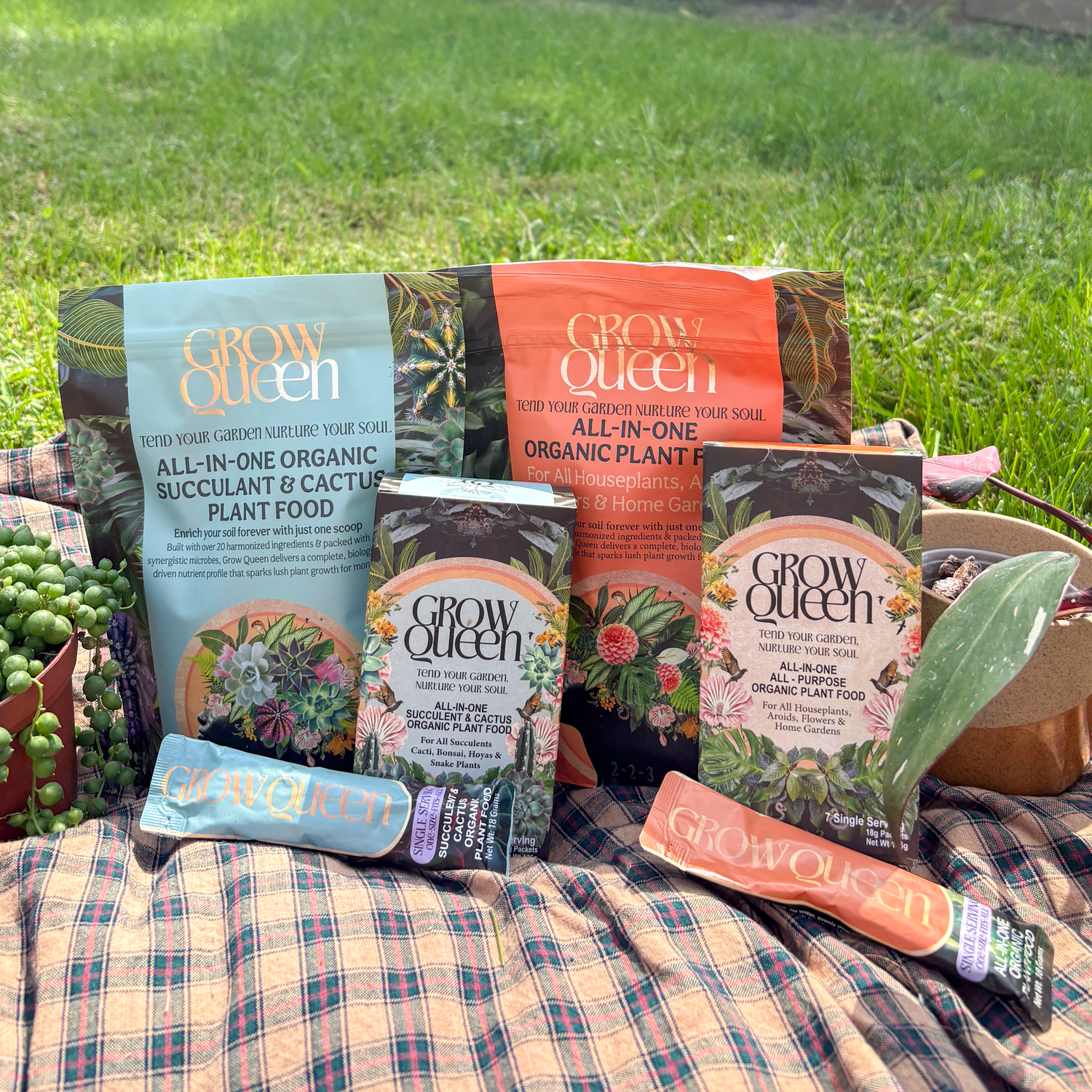
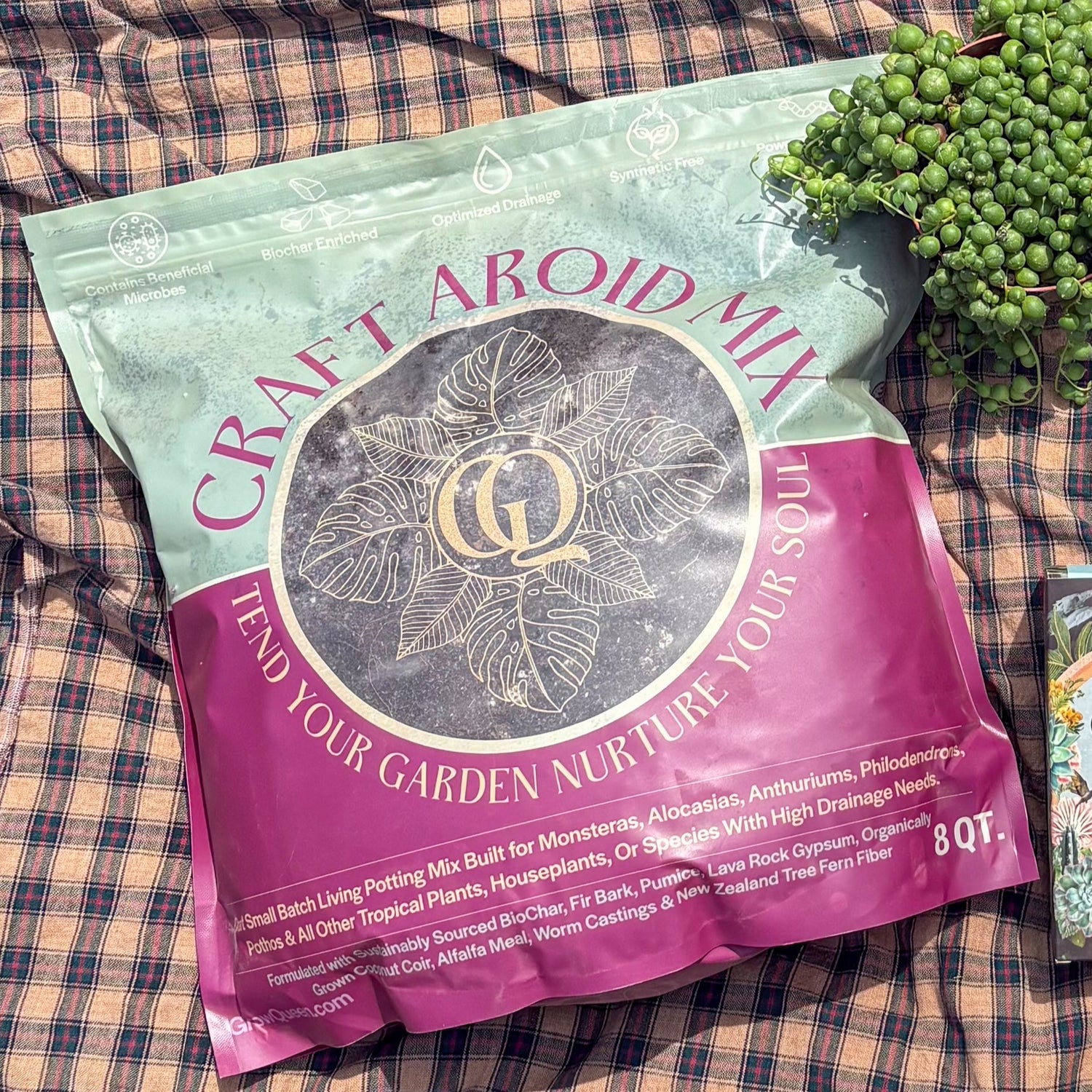
The soil and food to keep your Indoor Ferns (Boston, Maidenhair, Bird's Nest) growing strong.





0 comments