
Grow Queen Plant Care Guide
Homalomena (Shield Plant, Queen of Hearts)
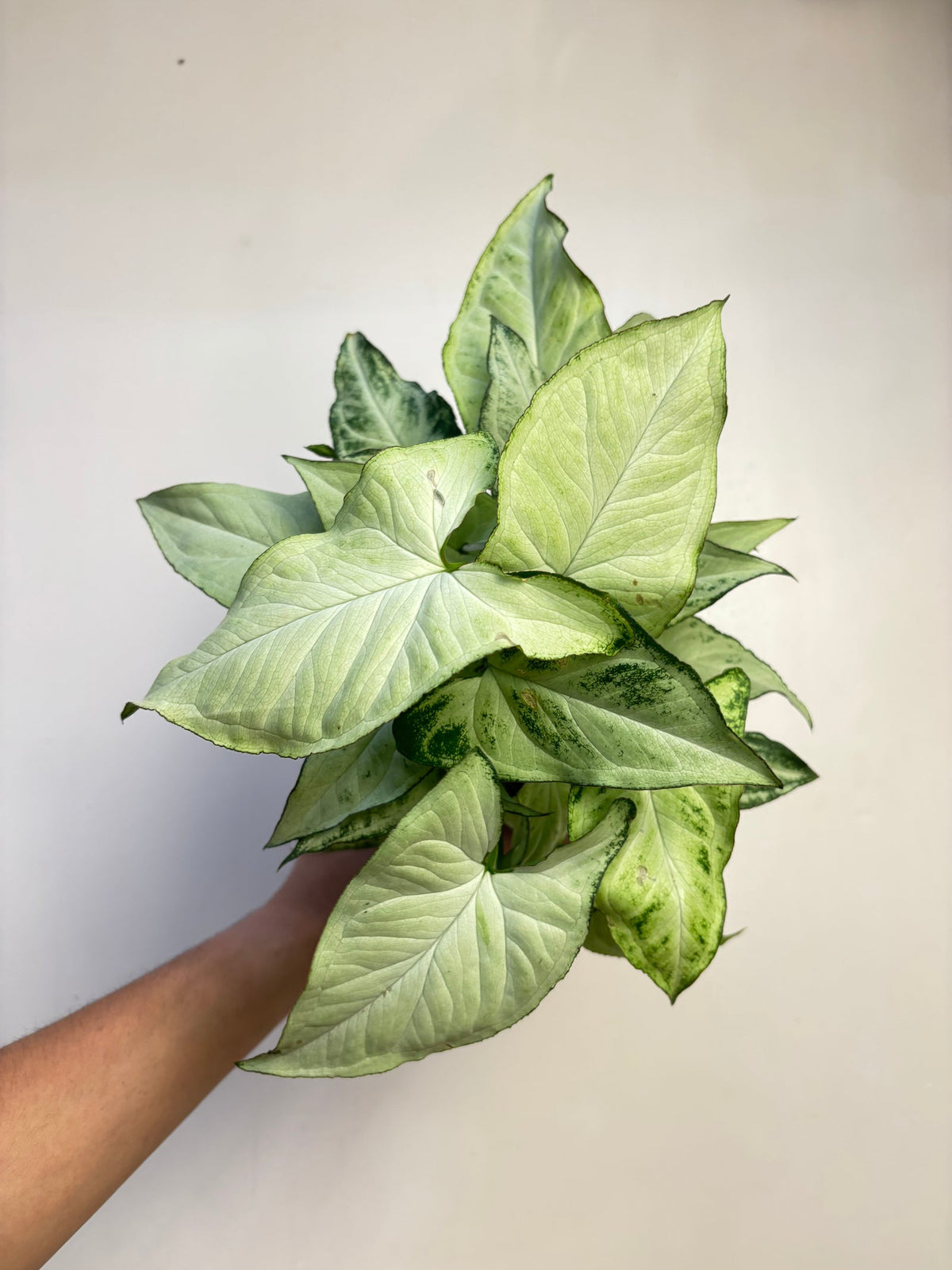
Homalomena is a compact aroid with heart- or shield-shaped leaves, often glossy and sometimes velvety or marbled, on reddish stems. It grows in a neat, upright clump that suits tabletops and shelves.

Homalomena is easy to grow once you give it what most aroids want: an airy, well-drained mix, filtered light and humid air. This guide walks through Homalomena (Shield Plant, Queen of Hearts) care using Grow Queen's 5 Pillars of Plant Care.
🌿 Quick Care Snapshot
🌏 Know Your Plant
Homalomena is a genus of aroids in the arum family, Araceae, the same family as philodendron and pothos. Kew's Plants of the World Online lists its native range as tropical and subtropical Asia to the southwest Pacific. Unlike philodendrons, homalomenas do not climb. They grow on the forest floor in humid tropical forests, often in leaf litter, along streams and on well-drained slopes, and many have a noticeable anise-like scent. Indoors that means they want filtered light like a forest understory, humid air, and a mix that drains well and lets roots breathe.
• Family: Araceae (arum family)
• Native to tropical and subtropical Asia to the SW Pacific (per Kew POWO)
• Clumping, non-climbing forest-floor plants
• Popular types include H. rubescens, H. wallisii, 'Emerald Green' and 'Purple Sword'
✨ Fun Facts
• Many homalomenas are aromatic, with a strong anise-like scent when leaves or stems are bruised.
• Unlike their philodendron cousins, homalomenas never climb. They grow on the forest floor.
• The cultivar 'Black Velvet' starts with copper-brown leaves that turn velvety and nearly black.
• The flowers are tiny and hidden inside a hood-like spathe, often tucked beneath the leaves.
Pillar 1
🌱 Soil & Growth Medium
What they need: An airy, well-drained mix that holds some moisture.
Homalomena prefers well-drained, slightly acidic soil. Overwatering and poor airflow around the roots lead to root rot and fungal problems, so use an airy mix in a pot with drainage holes. Repot in early spring, moving up one pot size at a time.
• Use a pot with drainage holes.
• Repot in early spring, one size up.
• Divide crowded clumps when you repot to make new plants.
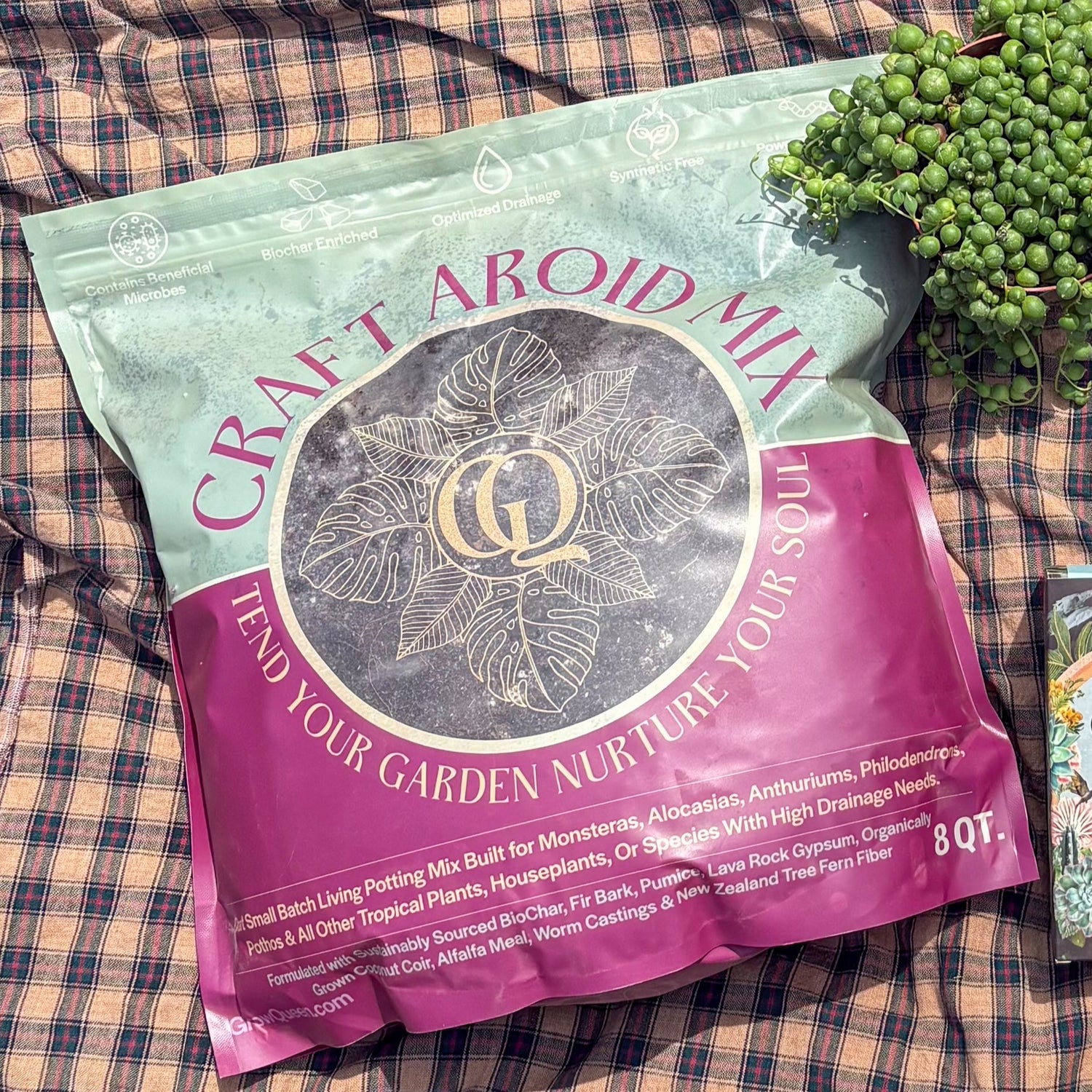
Grow Queen pick: Craft Aroid Potting Mix. Craft Aroid Potting Mix is chunky, soilless and very well-draining with airflow to the roots, which fits an aroid that is prone to root rot when air is short.
Learn more: Pillar 1, Soils & Growth Mediums →
Pillar 2
☀️ Lighting
What they need: Partial shade to bright, filtered light.
Homalomena grows naturally in shaded forest understory. Indoors, give it bright, filtered light or partial shade, away from harsh direct sun. Too little light can make leaves look dull, and strong sun can scorch them.
Signs of too little light:
• Dull or muted leaf color.
• Slow growth with small new leaves.
• Long, stretched leaf stems.
Signs of too much light:
• Scorched, brown or bleached patches.
• Leaves curling or yellowing.
• Crispy leaf edges.
Learn more: Pillar 2, Lighting →
Pillar 3
💧 Watering
What they need: Water thoroughly, then let the top of the mix dry.
Water until it runs out the bottom of the pot, then let the mix dry out somewhat before watering again. Do not let water sit in the saucer. Shallow watering leads to weak roots, and overwatering kills roots and causes rot. In winter, growth slows and the pot dries more slowly, so check the mix before watering.
Signs of overwatering:
• Yellowing lower leaves.
• Soft, dark stems at the soil line.
• Mix that stays wet and smells sour.
Signs of underwatering:
• Drooping leaves.
• Brown, crispy leaf edges.
• Mix pulling away from the pot.
Learn more: Pillar 3, Watering →
Pillar 4
🌡️ Environment
What they need: Warmth, humidity and good air circulation.
Like most tropical houseplants, homalomena will not handle temperatures below about 55°F and needs warmer rooms to grow actively. It requires increased humidity. A humidifier or a tray of wet pebbles under the pot helps, and dry air makes it more prone to spider mites, scale and mealybugs. Keep air moving to prevent fungal problems.
Ideal conditions:
• Warm rooms, never below 55°F
• Increased humidity from a humidifier or pebble tray
• Filtered light, away from harsh sun
• Gentle air circulation
Avoid:
• Heating vents and very dry air
• Cold drafts and cold window glass
• Stagnant, soggy conditions
Learn more: Pillar 4, Environment →
Pillar 5
🪴 Plant Nutrients
What they need: Light, diluted feeding during the growing season.
Illinois Extension suggests feeding most tropical houseplants two to three times during the growing season with fertilizer at half the package rate. Do not feed a dry plant, since it can burn the roots, and skip feeding in winter unless the plant is under grow lights.
Benefits of the right feeding:
• Steady growth of new leaves
• Richer leaf color
• Fuller clumps for division
Grow Queen pick: Organic 5-5-5 Liquid Plant Food. Organic 5-5-5 Liquid Plant Food mixes into watering water, making the diluted feeding homalomena needs easy, especially in a chunky mix.
Learn more: Pillar 5, Plant Nutrients →
🍂 Common Problems
Why are my homalomena's leaves turning yellow?
Overwatering and poor airflow around the roots are the usual causes, and they can lead to root rot. Let the top of the mix dry between waterings, make sure the pot drains, and use an airy mix.
Why are the leaf edges brown and crispy?
Dry air is the most common cause. Homalomena needs increased humidity, so add a humidifier or pebble tray and keep it away from heating vents. Strong direct sun can also scorch the edges.
Why does my homalomena keep getting pests?
Dry air makes homalomena more prone to spider mites, scale and mealybugs. Raise the humidity, check the undersides of leaves regularly, and isolate and rinse affected plants.
Why does my plant smell like licorice?
That is normal. Many homalomenas have a strong anise-like scent, especially when leaves or stems are bruised.
✂️ Maintenance & Growth Tips
• Divide crowded clumps in spring to make new plants.
• Remove old or damaged leaves at the base.
• Wipe leaves with a soft damp cloth to remove dust.
• Wear gloves when dividing. The sap can irritate skin.
• Check under leaves for spider mites, scale and mealybugs.
⚠️ Pet Safety
We could not find homalomena on the ASPCA's plant list, so use caution. NC State Extension lists it as toxic to pets and people if eaten, with calcium oxalate crystals that can cause mouth burning, drooling, difficulty swallowing and vomiting. Keep it out of reach of pets and call your vet if you think one ate some.
🌿 Bottom Line
Homalomena does best with an airy, well-drained mix, filtered light, warm rooms and extra humidity. Most problems come from soggy roots or dry air.
Water thoroughly and let the top dry, feed lightly in the growing season, and keep it away from pets. It is a compact, easygoing aroid once its basics are covered.
Grow Queen Picks for Homalomena (Shield Plant, Queen of Hearts)
The soil and food to keep your Homalomena (Shield Plant, Queen of Hearts) growing strong.






0 comments