
Grow Queen Plant Care Guide
Philodendron
Philodendrons range from the classic heartleaf vine trailing off a shelf to big self-heading plants with dramatic, deeply cut leaves. Many tolerate lower light and the occasional missed watering.

Most philodendrons share the same basic needs, with a few differences between climbing and self-heading types. Get the soil, light and watering right and they will grow for many years. This guide walks through Philodendron care using Grow Queen's 5 Pillars of Plant Care.
🌿 Quick Care Snapshot
🌏 Know Your Plant
Philodendrons are in the arum family, Araceae, alongside monstera and pothos. The heartleaf philodendron, Philodendron hederaceum, is native from Mexico to tropical America according to Kew's Plants of the World Online, where it grows as an epiphyte in the wet tropics. Clemson Extension explains that most philodendrons are vining climbers, while self-heading types grow leaves from a heavy clump at the base. Indoors, both want warmth, filtered light like a forest canopy, and a mix that holds some moisture while letting air reach the roots.
• Family: Araceae (arum family)
• Heartleaf philodendron is native from Mexico to tropical America (per Kew POWO)
• Two growth habits: vining climbers and self-heading clumps
• Popular types: heartleaf, velvet (micans), 'Burgundy', 'Prince of Orange', 'Xanadu'
✨ Fun Facts
• New philodendron leaves emerge wrapped in a protective sheath that later dries and falls off. Pothos leaves don't have one, which is a handy way to tell them apart.
• Climbing types like velour philodendron won't reach full leaf size unless trained upward for several years.
• The tree philodendron once sold as Philodendron selloum was moved to its own genus, Thaumatophyllum, in 2018 after DNA analysis.
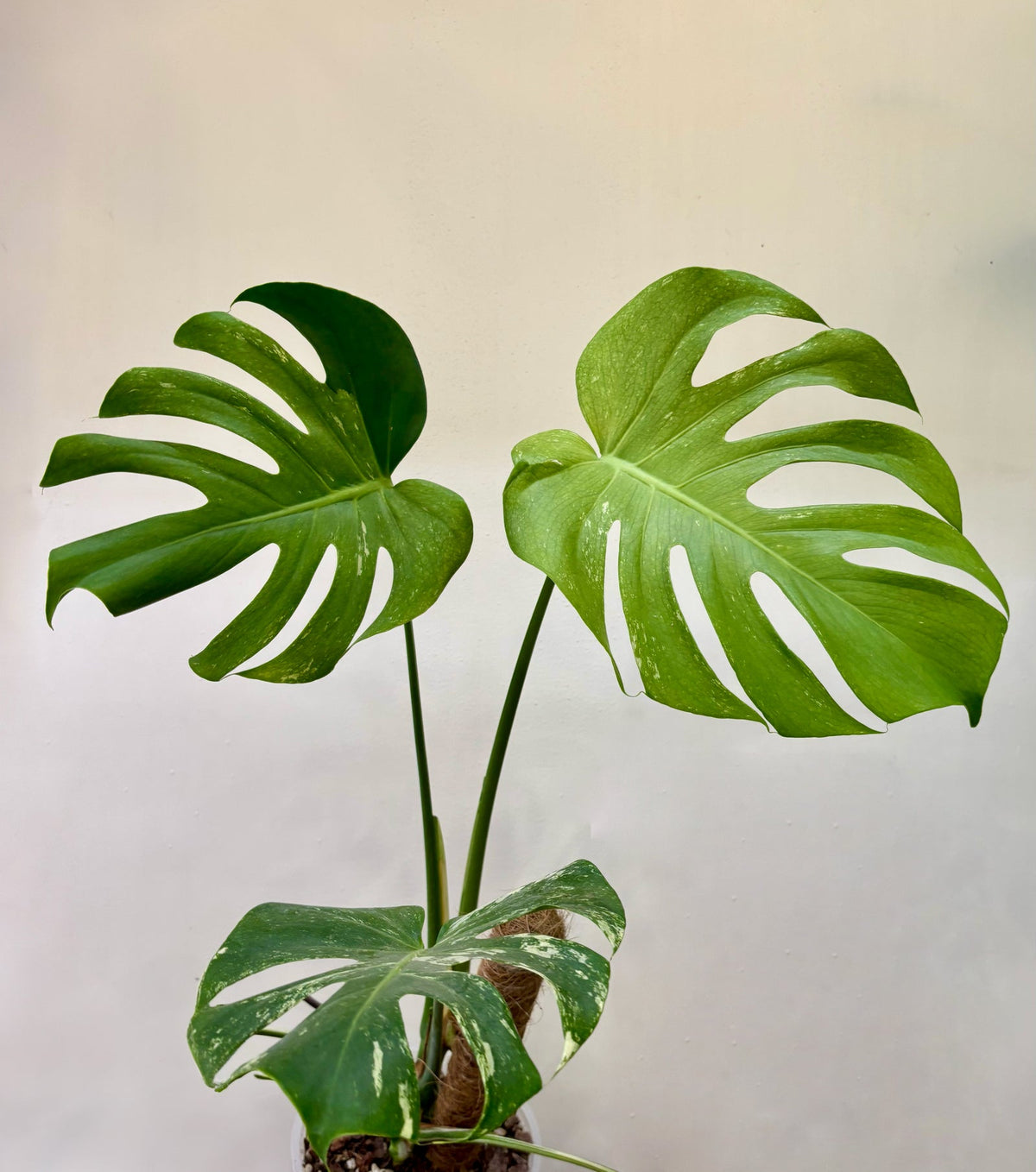
• Despite the common name, split-leaf philodendron is usually Monstera deliciosa, not a true philodendron.
Pillar 1
🌱 Soil & Growth Medium
What they need: A well-draining mix that holds moisture without staying wet.
Clemson Extension notes root rot usually comes from a mix that does not drain quickly or from watering too often. A chunky, airy mix helps roots get both water and oxygen, which suits climbing types grown on a pole. You can repot overcrowded plants at any time of year.
• Always use a pot with drainage holes.
• Add a moss pole or board for climbing types to grow bigger leaves.
• Give self-heading types plenty of room. Some get very large.
• Move up only one pot size at a time.
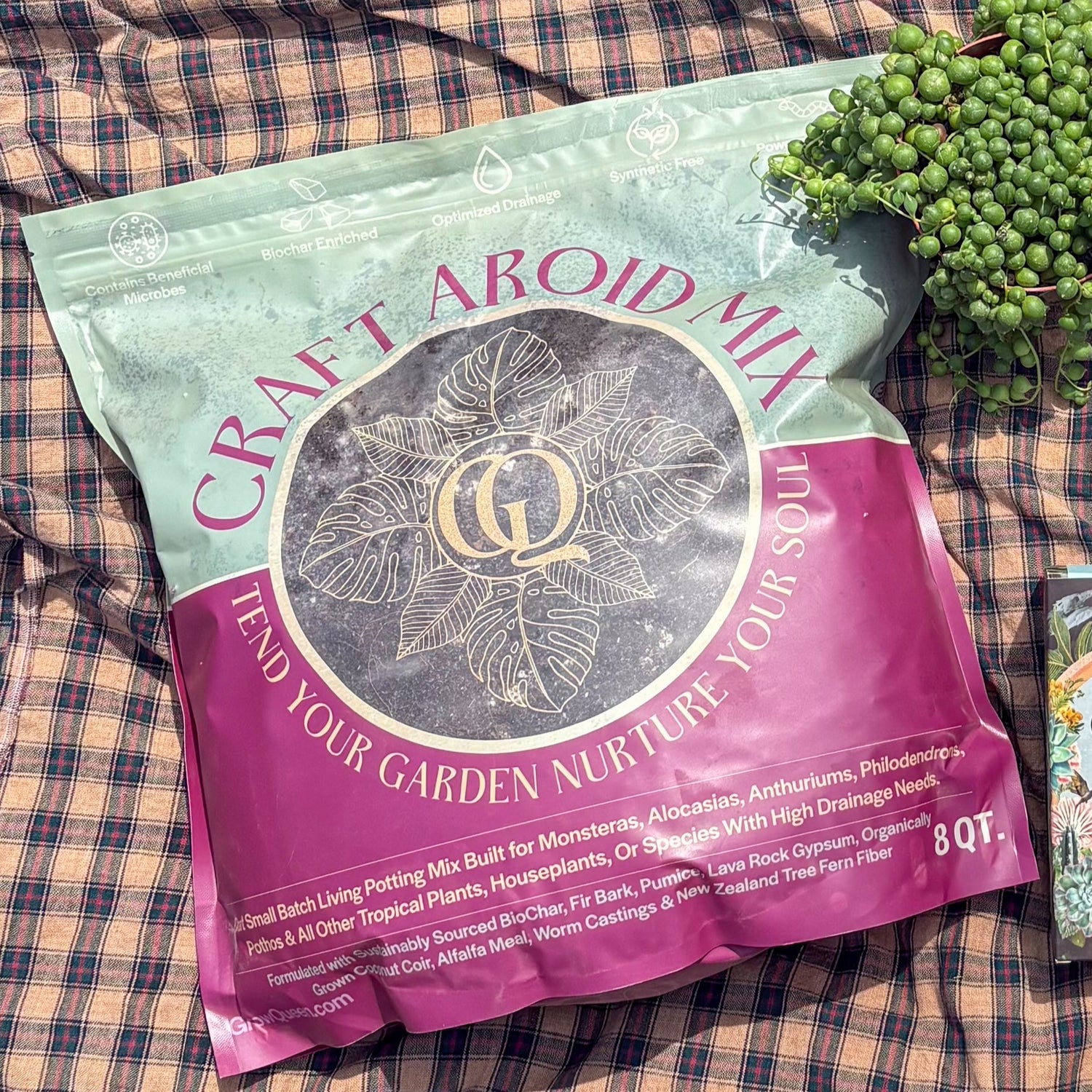
Grow Queen pick: Craft Aroid Potting Mix. Craft Aroid Potting Mix is chunky and very well-draining with airflow to the roots, a natural fit for philodendrons, which are aroids that grow on trees in the wild.
Learn more: Pillar 1, Soils & Growth Mediums →
Pillar 2
☀️ Lighting
What they need: Indirect or curtain-filtered sunlight.
Clemson Extension says most philodendrons prefer indirect or filtered sun but tolerate low light, and heartleaf types handle very low light, even artificial room light. Self-heading tree types grow best with medium to bright light near an east, west or south window. Colorful types like 'Prince of Orange' need high light to keep their color.
Signs of too little light:
• Yellowing lower leaves and dying growing tips.
• Long, bare stems with small leaves.
• Colored or variegated types fading to green.
Signs of too much light:
• Pale, bleached leaves.
• Brown, scorched patches.
• Leaves curling or drooping in afternoon sun.
Learn more: Pillar 2, Lighting →
Pillar 3
💧 Watering
What they need: Evenly moist, never soggy.
Clemson Extension recommends watering often enough to keep the soil evenly moist but not soggy, and never letting the plant stand in water. Water until it drains, then empty the saucer. In winter, growth slows and the pot dries more slowly, so check the mix before watering.
Signs of overwatering:
• Yellow lower leaves.
• Dying growing tips.
• Soggy mix or mushy stems at the base.
Signs of underwatering:
• Drooping, limp leaves.
• Brown, crispy leaf edges.
• Mix pulling away from the pot.
Learn more: Pillar 3, Watering →
Pillar 4
🌡️ Environment
What they need: Warm rooms and steady temperatures.
Clemson Extension puts the ideal at 65 to 70°F at night and 75 to 85°F by day. High humidity gives the best growth, but philodendrons tolerate the lower humidity in most homes. Self-heading types have brittle leaf stalks, so keep them out of busy walkways.
Ideal conditions:
• 65 to 70°F at night, 75 to 85°F by day
• Higher humidity for best growth, though average home humidity works
• Bright, filtered light
• Space out of foot traffic for large self-heading types
Avoid:
• Cold drafts and chilly windows in winter
• Heating and air conditioning vents
• Sitting in a saucer of water
Learn more: Pillar 4, Environment →
Pillar 5
🪴 Plant Nutrients
What they need: Regular, gentle feeding.
Clemson Extension recommends feeding regularly with a dilute water-soluble houseplant fertilizer or a time-release fertilizer. Too much fertilizer can make leaf tips curl and brown, so stick to the label rate. Feed during spring and summer and ease off in winter when growth slows.
Benefits of the right feeding:
• Larger, fuller leaves
• Steady growth on vines and clumps
• Better color on red and gold types
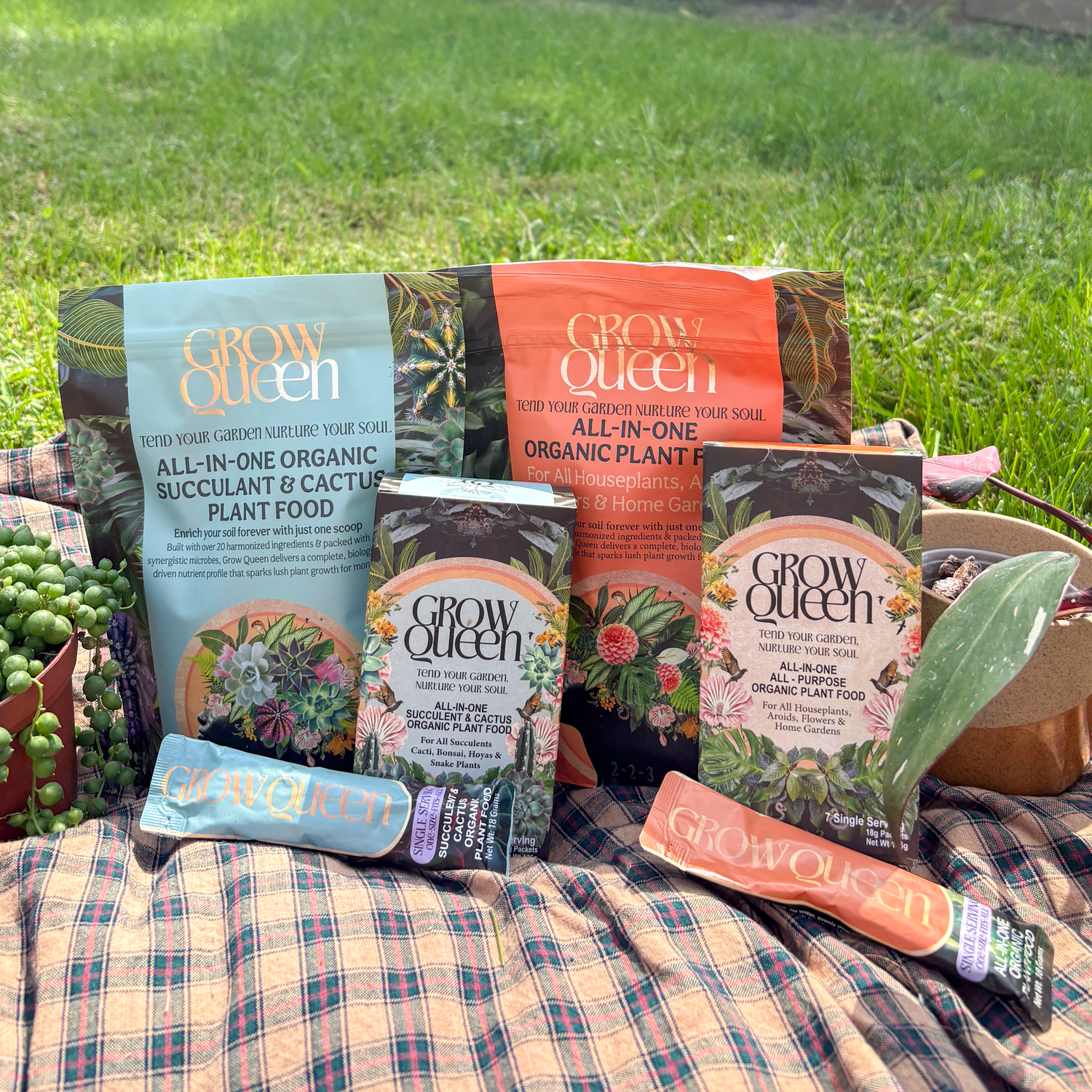
Grow Queen pick: Organic Time Release Plant Food. Organic Time Release Plant Food is mixed into or top-dressed on the soil and feeds for 1 to 6 months, and Clemson lists time-release feeding as a good option for philodendrons.
Learn more: Pillar 5, Plant Nutrients →
🍂 Common Problems
Why are the lower leaves turning yellow?
Clemson Extension says yellowing lower leaves and dying growing tips can come from too little light or overwatering. Check that the mix drains and dries slightly, and move the plant to brighter, filtered light.
Why are the leaf tips curling and brown?
Too much fertilizer is a common cause. Flush the pot with plain water, then feed at a lower rate. Very dry air can also brown leaf edges.
Why is my heartleaf philodendron long and leggy?
Low light stretches the stems and spaces leaves far apart. Move it to brighter, indirect light and trim long vines to encourage branching.
Is it a philodendron or a pothos?
Look at new leaves and stems. Philodendron leaf stems are not grooved and new leaves emerge from a sheath that dries and falls away. Pothos stems are grooved, with no sheath.
✂️ Maintenance & Growth Tips
• Trim vining types to keep them full. Cut just above a leaf.
• Root stem cuttings any time of year, or air layer larger plants.
• Wipe dust off leaves with a damp cloth.
• Remove offsets from self-heading types to start new plants.
• Check for aphids, mealybugs, scale and spider mites. Isolate and rinse any affected plant.
⚠️ Pet Safety
The ASPCA lists heartleaf philodendron (Philodendron hederaceum) as toxic to dogs, cats and horses. It contains insoluble calcium oxalates, which can cause oral irritation, pain and swelling of the mouth, tongue and lips, drooling, vomiting and difficulty swallowing. Clemson Extension notes all philodendrons contain these crystals, so keep every type away from pets and call your vet or ASPCA Animal Poison Control at (888) 426-4435 if a pet chews one.
🌿 Bottom Line
Philodendrons want filtered light, an airy mix that drains well, evenly moist soil and warm rooms. Climbing types grow bigger leaves on a pole, and self-heading types need space and brighter light.
Feed gently, keep them out of soggy soil, and keep them away from pets. Few houseplants are as adaptable or as easy to share from cuttings.
Grow Queen Picks for Philodendron
The soil and food to keep your Philodendron growing strong.





0 comments