
Grow Queen Plant Care Guide
Cast Iron Plant (Aspidistra elatior)
The cast iron plant earned its name by shrugging off low light, dry air and the occasional missed watering. Its tall, leathery, dark green leaves bring a lush look to the dim corners other plants cannot handle.

Aspidistra is about as forgiving as houseplants get, but it still has a few preferences. Here is how to cover each of the 5 Pillars so yours stays glossy for years. This guide walks through Cast Iron Plant (Aspidistra elatior) care using Grow Queen's 5 Pillars of Plant Care.
🌿 Quick Care Snapshot
🌏 Know Your Plant
Cast iron plant, Aspidistra elatior, is an evergreen, rhizomatous perennial in the asparagus family, Asparagaceae. Kew's Plants of the World Online lists it as native to southern Japan, where it grows in the subtropical biome as a ground-hugging plant that spreads by underground rhizomes. Its natural home on shady ground explains why it tolerates low light and why direct sun scorches its leaves. It grows slowly, so it rarely needs repotting and stays in shape for years.
• Family: Asparagaceae.
• Native to southern Japan.
• Spreads slowly by thick underground rhizomes.
• Grows to about 2 feet tall, with leaves up to about 2 feet long.
✨ Fun Facts
• Its nickname barroom plant comes from its reputation for surviving smoky, neglected old barrooms.
• It flowers rarely, and when it does, the small, fleshy, cup-shaped flowers sit right at soil level where they are easy to miss.
• What look like stems are actually the long leaf stalks. The plant has no true above-ground stem.
• Both plain Aspidistra elatior and the striped 'Variegata' hold the RHS Award of Garden Merit.
Pillar 1
🌱 Soil & Growth Medium
What they need: A rich, well-drained mix that holds some moisture.
Cast iron plant likes rich, well-drained soil, though it tolerates poorer mixes too. The RHS suggests a blend of loam-based and multipurpose peat-free mix. Since it grows slowly, keep it in the same pot for several years and only move up a size when roots poke through the drainage holes.
• Repot in spring, into a pot only slightly larger than the old one.
• Set the plant at the same depth it was growing before.
• Always use a pot with drainage holes.
• Divide large clumps in spring to make new plants.
Grow Queen pick: Craft Houseplant Potting Mix. Craft Houseplant Potting Mix holds moisture evenly while staying aerated, which suits a cast iron plant that likes rich, moist, well-drained soil.
Learn more: Pillar 1, Soils & Growth Mediums →
Pillar 2
☀️ Lighting
What they need: Low to filtered light, well away from direct sun.
This is one of the few houseplants that copes in very poor light, though it grows faster in low to medium, filtered light. Direct sun scorches the leaves and turns them brown. In very dim spots, variegated types may lose their stripes and turn plain green.
Signs of too little light:
• Very slow or no new growth.
• Variegated leaves turning solid green.
• Plant leaning toward the light.
Signs of too much light:
• Brown, scorched patches on leaves.
• Leaves fading to yellow or bleached green.
• Dry, crispy leaf edges.
Learn more: Pillar 2, Lighting →
Pillar 3
💧 Watering
What they need: Regular watering in the growing season, less in winter.
Water regularly from spring to fall, keeping the mix moist but never waterlogged, since soggy soil can rot the roots. Cut back slightly in winter, but try not to let the mix dry out completely. The plant can survive drying out now and then, so it forgives a missed watering better than overwatering.
Signs of overwatering:
• Yellowing leaves and soft, dark leaf stalks at the base.
• Musty smell or soggy mix that does not dry out.
• Mushy, brown roots.
Signs of underwatering:
• Brown, dry leaf tips and edges.
• Leaves losing their gloss and drooping.
• Mix pulling away from the sides of the pot.
Learn more: Pillar 3, Watering →
Pillar 4
🌡️ Environment
What they need: Cool to average temperatures. It is not fussy about humidity.
The RHS says cast iron plants are happiest between about 40 and 70°F, so a cool room away from heat sources is ideal. They cope with fluctuating temperatures and drafty spots like hallways. They do not need extra humidity and are fine in the dry air of typical homes.
Ideal conditions:
• Temperature: about 40 to 70°F, a bit warmer in summer is fine.
• Humidity: average home humidity.
• Shady spots such as hallways or north-facing rooms.
• Away from radiators and heat vents.
Avoid:
• Direct sun.
• Hot spots next to heaters.
• Freezing temperatures.
Learn more: Pillar 4, Environment →
Pillar 5
🪴 Plant Nutrients
What they need: Light feeding during the growing season only.
Feed about once a month from spring to late summer with a general houseplant fertilizer to boost growth. Skip feeding in fall and winter while growth slows. Because it grows slowly, it does not need heavy feeding.
Benefits of the right feeding:
• Steady new leaves each season.
• Deep green, glossy foliage.
• Stronger clumps for dividing.
Grow Queen pick: Organic Time Release Plant Food. Organic Time Release Plant Food feeds slowly for months, which fits a slow-growing plant that only needs light feeding in the growing season.
Learn more: Pillar 5, Plant Nutrients →
🍂 Common Problems
Why are the leaves turning brown?
Brown, scorched leaves usually mean too much light. Move the plant away from direct sun. Brown tips can also come from the mix drying out too much.
Why are the leaves yellowing and the base going soft?
This is usually overwatering. Let the mix dry a little more between waterings, check that the pot drains, and repot into fresh mix if the roots are mushy.
Why did my variegated cast iron plant turn green?
In very low light, variegated types can revert to plain green. Move it to brighter, filtered light, out of direct sun.
What are the speckled or bleached spots on the leaves?
The RHS notes that speckled or bleached leaves can be a sign of red spider mites. Isolate the plant, inspect leaf undersides, and wipe leaves clean. For ongoing problems, ask your local extension office.
✂️ Maintenance & Growth Tips
• Wipe leaves with a damp cloth to remove dust.
• Remove fading leaves at the base.
• Turn the pot a quarter turn each time you water for even growth.
• Divide crowded clumps in spring, keeping several leaves on each piece.
• Check for mealybugs, scale and spider mites now and then.
⚠️ Pet Safety
The ASPCA lists cast iron plant (Aspidistra elatior) as non-toxic to dogs, cats and horses. Eating any plant can still cause mild stomach upset, so discourage chewing. If you are worried, call your vet or the ASPCA Animal Poison Control Center.
🌿 Bottom Line
Cast iron plant is a great choice for dim rooms and busy people. Give it low to filtered light, keep it out of direct sun, and water regularly without letting it sit wet.
Feed lightly in spring and summer, wipe the leaves now and then, and leave it in its pot for years. It will reward you with lush, leathery leaves for a long time.
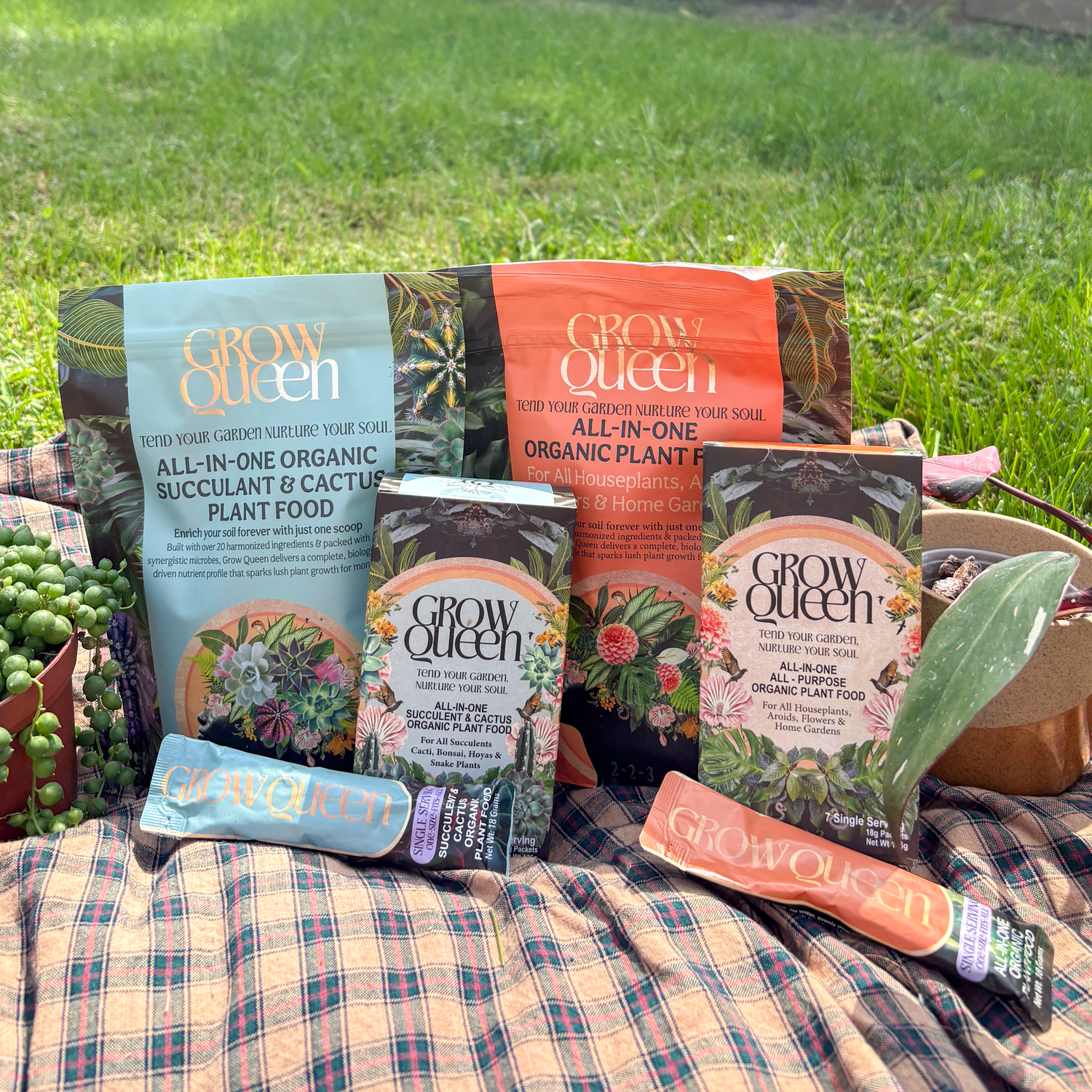
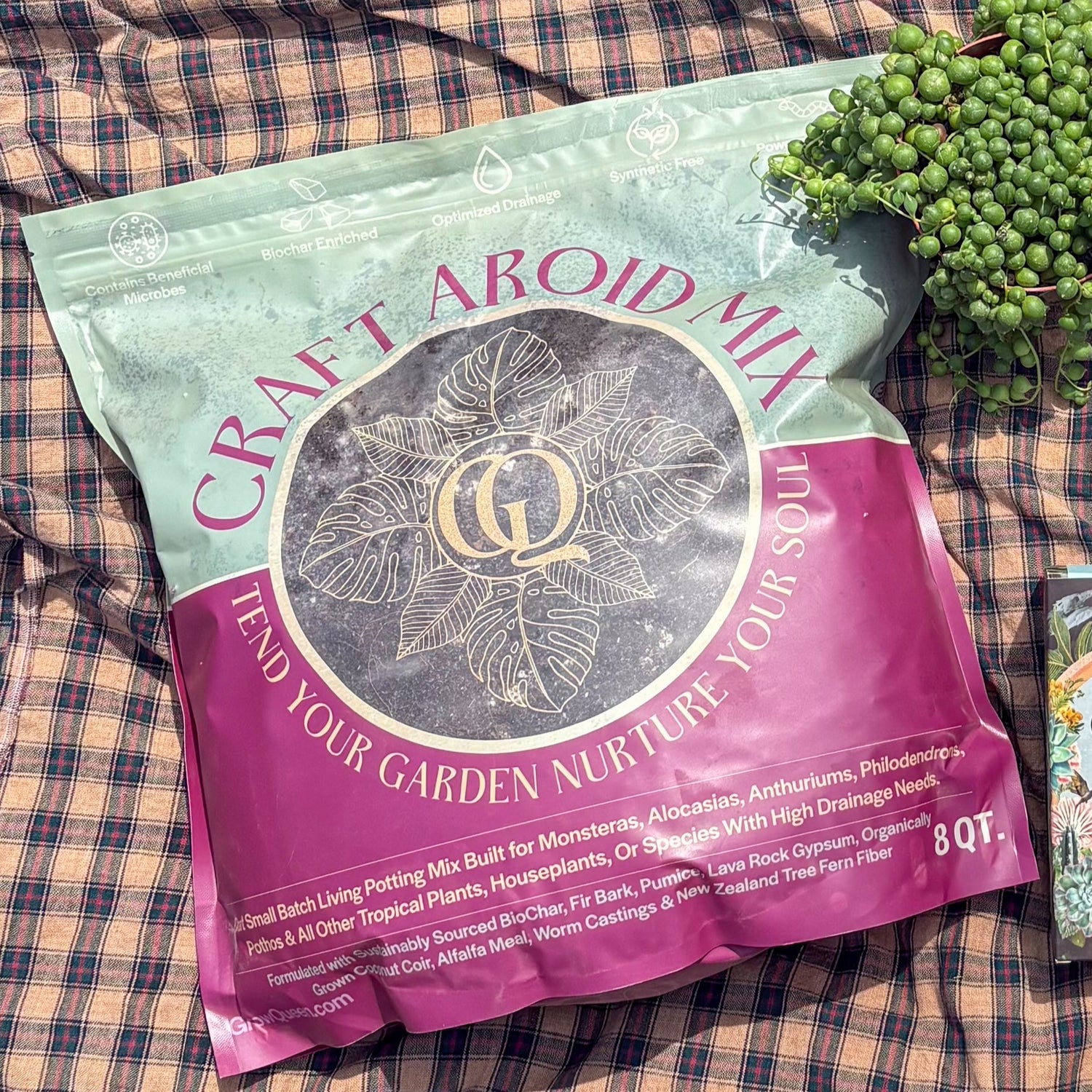
Grow Queen Picks for Cast Iron Plant (Aspidistra elatior)
The soil and food to keep your Cast Iron Plant (Aspidistra elatior) growing strong.





0 comments