
Grow Queen Plant Care Guide
Rhaphidophora Tetrasperma (Mini Monstera)
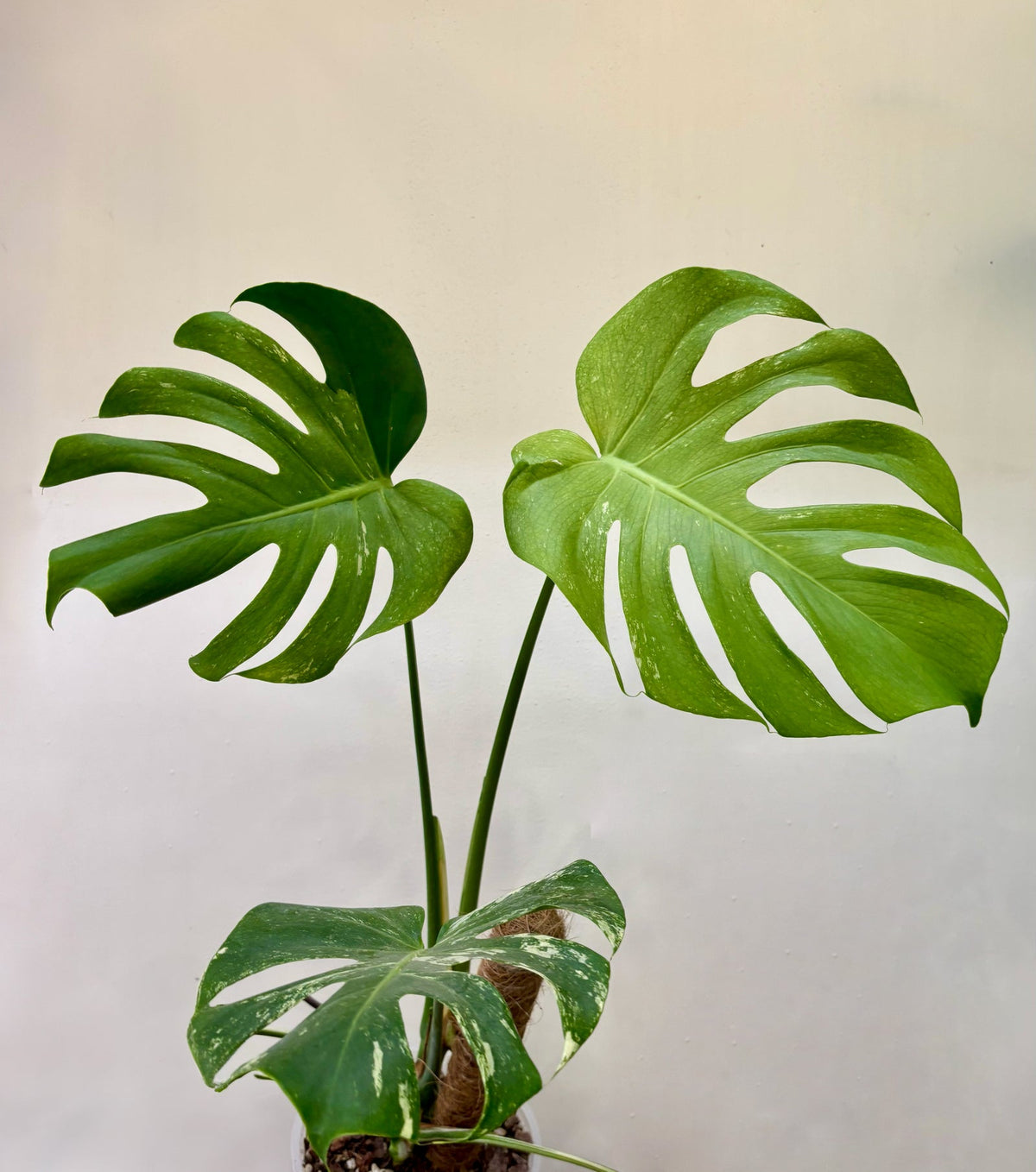
Rhaphidophora tetrasperma looks like a small Monstera, with split, holey leaves on a slim climbing stem. It grows fast, climbs a pole with ease, and gives you that big-leaf jungle look in a fraction of the space.

Here is how to keep your mini monstera growing steadily indoors, from the mix it sits in to the light, water, warmth and food it needs. This guide walks through Rhaphidophora Tetrasperma (Mini Monstera) care using Grow Queen's 5 Pillars of Plant Care.
🌿 Quick Care Snapshot
🌏 Know Your Plant
Plants of the World Online (Kew) lists Rhaphidophora tetrasperma Hook.f. as an accepted species native to Peninsula Thailand and Peninsula Malaysia, where it grows as a climber in the wet tropical biome. It belongs to the arum family, Araceae, the same family as Monstera and Philodendron, but it is neither. In the wild it clings to trees with aerial roots. Indoors, that means it wants warmth, steady humidity, a mix that lets roots breathe, and something to climb.
• Family: Araceae (aroids)
• Native to Peninsula Thailand and Peninsula Malaysia (POWO)
• Climbing vine with aerial roots; fast growing
• Contains calcium oxalate crystals; keep away from pets and kids
✨ Fun Facts
• The name tetrasperma means four-seeded and describes the plant's berries.
• It is sold as mini monstera and Philodendron Ginny, but it is not a Monstera or a Philodendron. All three share the arum family.
• Its leaves develop splits and holes at a younger age than Monstera deliciosa.
• It was first described by Joseph Hooker in the Flora of British India in 1893.
Pillar 1
🌱 Soil & Growth Medium
What they need: A chunky, fast-draining mix that still holds a little moisture.
In nature this vine climbs trees, so its roots are used to air and quick drainage. NC State Extension recommends a moist, well-drained potting mix with good drainage and plenty of organic matter. A chunky aroid mix gives you both: bark and coarse pieces for airflow, plus organic matter to hold some water between drinks.
• Use a pot with drainage holes. Empty the saucer after watering.
• Add a moss pole, totem or trellis at potting time so the vine can climb.
• Repot in spring when roots circle the pot or poke out the bottom, going up one pot size.
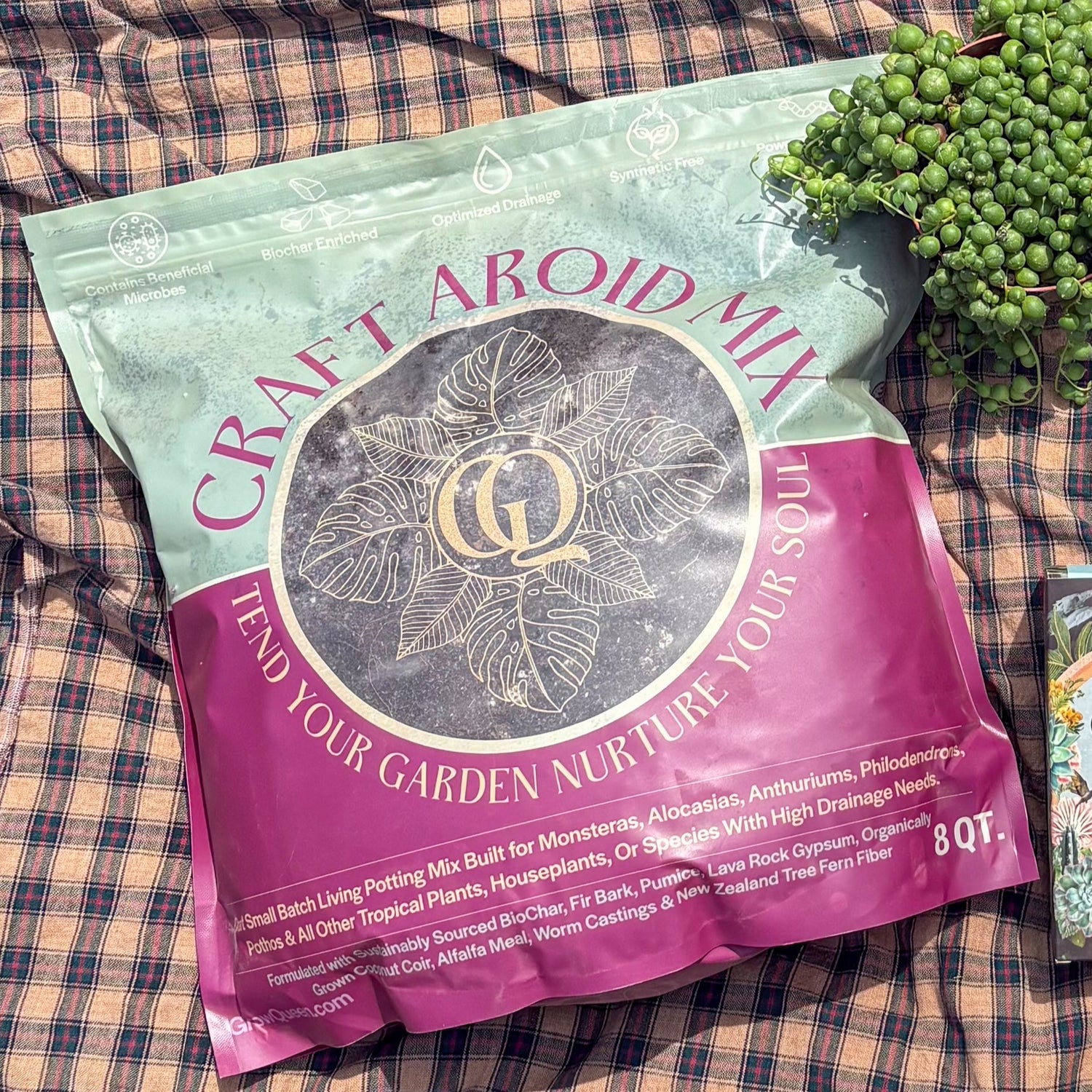
Grow Queen pick: Craft Aroid Potting Mix. Craft Aroid Potting Mix is chunky, soilless and very well-draining, which suits a climbing aroid whose roots want airflow and quick drainage.
Learn more: Pillar 1, Soils & Growth Mediums →
Pillar 2
☀️ Lighting
What they need: Bright, indirect light.
NC State Extension says this plant prefers bright, indirect light and may handle a small amount of direct sun, but too much bright sun will burn the leaves. A spot a few feet from an east or west window, or behind a sheer curtain in a south window, works well. Better light also means more of the split leaves people love.
Signs of too little light:
• Long, stretched stems with wide gaps between leaves
• New leaves come in small with few or no splits
• Lower leaves yellow and growth slows
Signs of too much light:
• Pale, washed-out leaves
• Brown, crispy patches facing the window
• Leaves curling or drooping in the afternoon
Learn more: Pillar 2, Lighting →
Pillar 3
💧 Watering
What they need: Water when the top inch of mix is dry.
NC State Extension recommends watering when the top 1 inch of potting mix is dry. Water until it runs out the drainage holes, then let the pot drain fully. In winter, growth slows and the mix stays wet longer, so check with your finger and expect to water less often.
Signs of overwatering:
• Yellowing leaves, often starting low on the plant
• Mix stays wet for days and smells sour
• Soft, dark stems or roots at the base
Signs of underwatering:
• Drooping or curling leaves
• Brown, dry leaf edges
• Mix pulls away from the side of the pot
Learn more: Pillar 3, Watering →
Pillar 4
🌡️ Environment
What they need: Warm, steady temperatures and good humidity.
NC State Extension gives a comfortable range of 65 to 80°F and says to keep the plant out of drafts. It does best with humidity around 60%. Brown margins and spots can point to dry air or too little moisture.
Ideal conditions:
• Temperature 65 to 80°F
• Humidity around 60%
• A pole or trellis to climb
• Steady conditions away from vents and doors
Avoid:
• Cold drafts and windows that get chilly in winter
• Blasts from heating or AC vents
• Hot, direct afternoon sun
Learn more: Pillar 4, Environment →
Pillar 5
🪴 Plant Nutrients
What they need: Light, regular feeding while it is actively growing.
University of Maryland Extension advises feeding houseplants from March through September and skipping winter, when low light slows growth. Too much fertilizer leads to salt buildup and leggy growth, so feed lightly and water it in on moist mix.
Benefits of the right feeding:
• Supports the fast vining growth of spring and summer
• Helps new leaves size up and develop splits
• Keeps leaf color even and green
Grow Queen pick: Organic 5-5-5 Liquid Plant Food. Organic 5-5-5 Liquid Plant Food mixes into your watering water for frequent, dilute feeding, a good match for a fast grower in chunky media.
Learn more: Pillar 5, Plant Nutrients →
🍂 Common Problems
Why are the leaves turning yellow?
NC State Extension links yellow leaves to overwatering or too little light. Check that the top inch of mix dries before you water again and that the pot drains freely. If the plant sits far from a window, move it closer to bright, indirect light.
Why are my leaves drooping or curling?
Drooping and curling usually mean the plant is thirsty. Feel the mix; if it is dry well below the surface, give it a thorough soak and let it drain. Leaves should perk up within a day.
Why are the leaf edges turning brown?
Brown margins and spots often come from dry air or uneven watering. Keep the plant away from heating vents, group it with other plants, and water on a steady schedule based on how dry the mix is.
What pests should I watch for?
NC State Extension lists spider mites, fungus gnats and scale. Check leaf undersides and stems often, isolate any plant with pests, and wipe or rinse the leaves. For a stubborn problem, ask your local extension office.
✂️ Maintenance & Growth Tips
• Give it a moss pole or trellis early and tie new growth to it loosely.
• Prune leggy stems just above a node to keep it full.
• Root stem cuttings with at least one node in water or moist mix.
• Wipe dust off leaves every few weeks with a damp cloth.
• Wear gloves when pruning; the sap can irritate skin.
⚠️ Pet Safety
The ASPCA does not currently list Rhaphidophora tetrasperma on its toxic and non-toxic plant list. NC State Extension notes the plant contains calcium oxalate crystals, flags it as a problem for dogs and cats, and lists mouth irritation, drooling and trouble swallowing if eaten. Keep it out of reach of pets and children, and call your vet or ASPCA Animal Poison Control at (888) 426-4435 if a pet chews it.
🌿 Bottom Line
Rhaphidophora tetrasperma is a fast, easygoing climber that gives you Monstera-style leaves in a smaller package. Give it bright, indirect light, a chunky mix that drains well, and something to climb.
Water when the top inch dries, keep it warm and humid, and feed lightly in spring and summer. Do that, and it will reward you with a steady run of split leaves.
Grow Queen Picks for Rhaphidophora Tetrasperma (Mini Monstera)
The soil and food to keep your Rhaphidophora Tetrasperma (Mini Monstera) growing strong.






0 comments