
Grow Queen Plant Care Guide
Persian Shield (Strobilanthes)
Persian shield is grown for its leaves: deep purple and green with a silvery, metallic shimmer. It grows fast, roots easily from cuttings, and adds a shot of color that few foliage plants can match.

Here's how to keep your Persian shield colorful and bushy indoors, one pillar at a time. This guide walks through Persian Shield (Strobilanthes) care using Grow Queen's 5 Pillars of Plant Care.
🌿 Quick Care Snapshot
🌏 Know Your Plant
Persian shield is in the acanthus family (Acanthaceae). It's widely sold as Strobilanthes dyerianus or S. dyeriana, but Kew's Plants of the World Online now accepts the name Strobilanthes auriculata var. dyeriana. Despite the common name, it isn't from Persia. POWO gives its native range as Bangladesh to Thailand, including Myanmar, where it grows as a subshrub or shrub in the wet tropical biome. Indoors, that means warmth, humidity, bright light without harsh sun, and soil that stays lightly moist.
• Family: Acanthaceae.
• Accepted name (POWO): Strobilanthes auriculata var. dyeriana.
• Native range: Bangladesh, Myanmar and Thailand.
• Grown since Victorian times for its foliage, indoors and out.
✨ Fun Facts
• Persian shield isn't Persian. Kew lists its native range as Bangladesh to Thailand.
• The leaves develop their best color in hot conditions and tend to lose color as the plant ages.
• Once a stem starts making flower spikes, it can no longer be used for cuttings.
• It holds the Royal Horticultural Society's Award of Garden Merit.
Pillar 1
🌱 Soil & Growth Medium
What they need: A rich, organic mix with good drainage.
UW-Madison Extension recommends soil rich in organic matter with good drainage, kept moist. The RHS suggests a peat-free, loam-based compost when growing it under glass. Use a pot with a drainage hole, since NC State lists good drainage as the first line of defense against problems.
• It grows quickly and will need a larger pot over time.
• Pot up one size at a time into a container with good drainage.
• Because older plants fade, many growers restart from fresh cuttings each year.
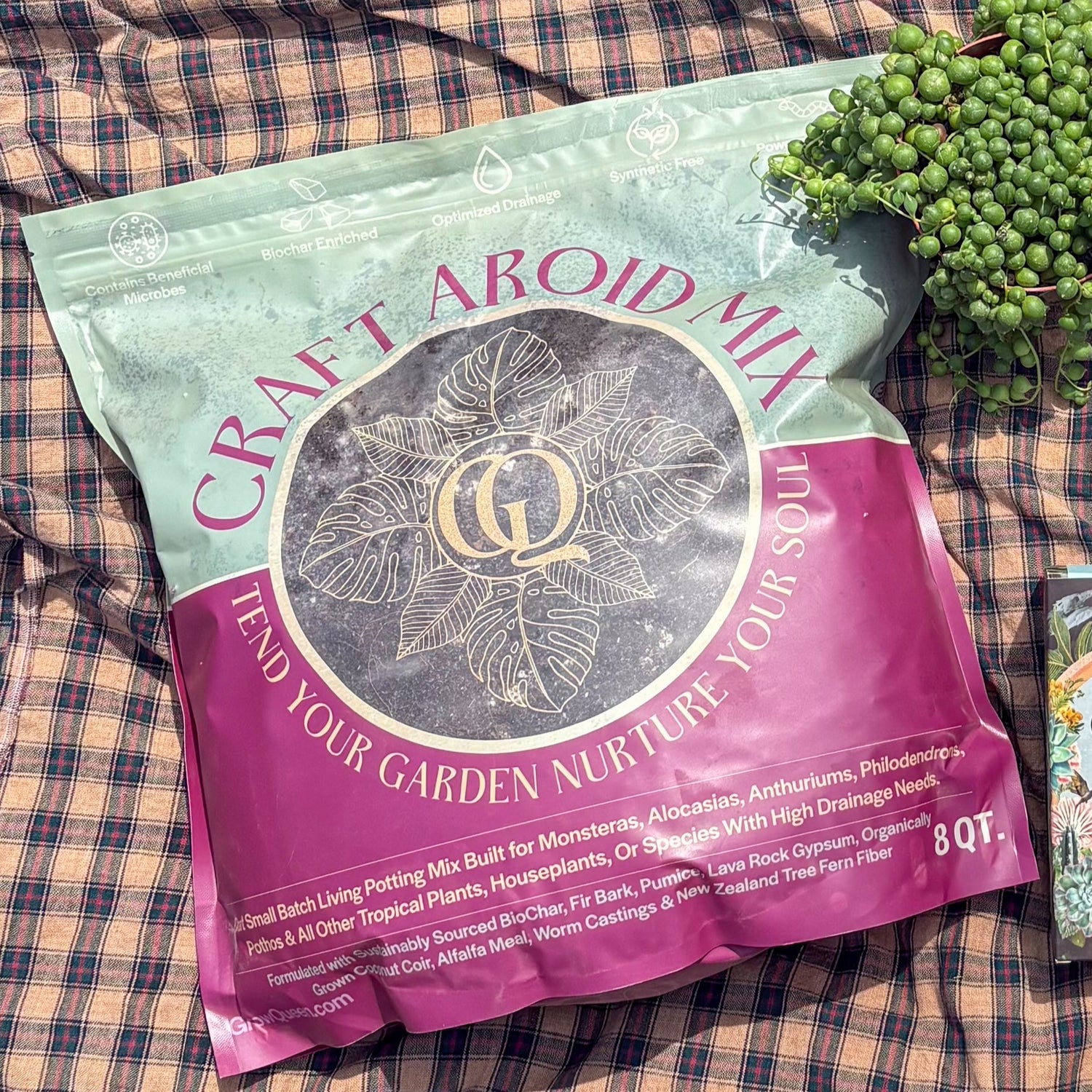
Grow Queen pick: Craft Houseplant Potting Mix. Craft Houseplant Potting Mix holds moisture evenly while staying aerated, matching the rich, moist, well-drained soil Persian shield prefers.
Learn more: Pillar 1, Soils & Growth Mediums →
Pillar 2
☀️ Lighting
What they need: Bright light, shaded from hot direct sun.
NC State recommends bright light with no direct sun, and the RHS suggests full light with shade from hot sun. Low light washes out the purple color. An east window or a spot just back from a brighter window usually works well.
Signs of too little light:
• Dull, washed-out leaf color
• Long, leggy stems with wide gaps between leaves
• Slow growth
Signs of too much light:
• Scorched, crispy brown patches
• Faded, bleached leaves
• Wilting in the afternoon even when the soil is moist
Learn more: Pillar 2, Lighting →
Pillar 3
💧 Watering
What they need: Evenly moist soil with good drainage.
UW-Madison Extension says to keep the soil moist, and UF/IFAS calls for regular watering in rich, well-drained soil. Water when the surface starts to feel dry, and empty the saucer afterward. Growth slows in cooler, darker months, so water less often in winter.
Signs of overwatering:
• Yellowing lower leaves
• Fungus gnats around soggy soil
• Soft stems or a sour-smelling pot
Signs of underwatering:
• Dramatic wilting
• Crispy, curled leaf edges
• Lower leaves dropping
Learn more: Pillar 3, Watering →
Pillar 4
🌡️ Environment
What they need: Warm, humid conditions out of cold drafts.
UW-Madison Extension notes that Persian shield languishes when the weather is cool but grows quickly in hot, humid conditions. NC State adds that cool temperatures and low light can wash out the leaf color. The RHS rates it as needing a minimum of about 50 to 59°F, so keep it in a warm room and away from cold windows.
Ideal conditions:
• Warm room temperatures, never below about 50 to 59°F
• Higher humidity, such as a bathroom, kitchen or grouped plants
• Bright light with shade from hot sun
• Steady conditions away from drafts
Avoid:
• Cold windowsills and drafts in winter
• Dry air blowing from heaters
• Hot, direct afternoon sun
Learn more: Pillar 4, Environment →
Pillar 5
🪴 Plant Nutrients
What they need: Regular feeding during active growth.
UW-Madison Extension recommends fertilizing monthly. Feed during spring and summer when the plant is growing fast, and cut back in winter when growth slows. Don't feed a bone-dry plant; water first.
Benefits of the right feeding:
• Supports the fast growth this plant is known for
• Helps new leaves come in full-sized and colorful
• Keeps the plant bushy instead of thin
Grow Queen pick: Organic Time Release Plant Food. Organic Time Release Plant Food feeds for 1 to 6 months from one application, an easy way to keep up the regular feeding this fast grower needs.
Learn more: Pillar 5, Plant Nutrients →
🍂 Common Problems
Why is my Persian shield losing its purple color?
NC State says cool temperatures and low light can wash out the color, and older plants naturally fade. Move it somewhere warmer and brighter, out of hot direct sun. To get the best color, start fresh plants from cuttings each year.
Why is my plant tall and leggy?
Stems can get tall and flop over, especially in lower light. Pinch the tips of young growth to make the plant branch and stay bushy. Root the pieces you pinch off to make more plants.
What are the fine webs and speckled leaves?
That's likely spider mites, which the RHS and NC State both list as a problem indoors. Isolate the plant, rinse the leaves, including the undersides, and raise the humidity. Your local extension office can help confirm the pest.
My plant started flowering. Is that a problem?
The small violet flowers aren't harmful, but UW-Madison Extension notes that once a stem makes flower spikes, it can't be used for cuttings. UF/IFAS suggests pinching flowers off if you don't like them. Take cuttings from non-flowering stems.
✂️ Maintenance & Growth Tips
• Pinch back young growth to keep the plant bushy.
• Take softwood tip cuttings in spring or summer. They root readily in water or moist mix, no rooting hormone needed.
• Restart from cuttings every year or so, since older plants lose color and get woody.
• Check leaf undersides for spider mites, aphids and mealybugs.
• Pot up as roots fill the container. It grows fast.
⚠️ Pet Safety
Persian shield is not listed on the ASPCA's toxic and non-toxic plant list. We checked under Persian shield and its scientific name and found no entry, so the ASPCA has not rated it either way. Until there's clear guidance, keep it out of reach of pets and call your vet or the ASPCA Poison Control line at (888) 426-4435 if your pet eats any.
🌿 Bottom Line
Persian shield wants what its tropical Asian home provides: warmth, humidity, bright light without harsh sun, and soil that stays lightly moist. Keep it warm and you'll get fast growth and that metallic purple color.
Plant it in a rich, well-draining mix, feed it while it's growing, and pinch it often. When an older plant starts to fade, take cuttings and start fresh.
Grow Queen Picks for Persian Shield (Strobilanthes)
The soil and food to keep your Persian Shield (Strobilanthes) growing strong.






0 comments