
Grow Queen Plant Care Guide
Cordyline (Ti Plant)
Cordyline fruticosa, the ti plant, brings bold, tropical color indoors with long leaves in pink, red, purple, cream and green. It is a striking accent plant when you can give it warmth and good light.

Ti plants keep their best color with bright, filtered light, steady warmth and humid air. Here is how to cover each of the 5 Pillars. This guide walks through Cordyline (Ti Plant) care using Grow Queen's 5 Pillars of Plant Care.
🌿 Quick Care Snapshot
🌏 Know Your Plant
The ti plant, Cordyline fruticosa (formerly Cordyline terminalis), is an evergreen shrub in the asparagus family, Asparagaceae. Kew's Plants of the World Online gives its native range as Papuasia to the western Pacific, including New Guinea, Queensland, Fiji and the Solomon Islands, where it grows in the wet tropics. Hawaii is listed as introduced, though it is closely tied to Hawaiian gardens and culture. Its warm, humid origins explain why it dislikes cold, dry air and why brown leaf tips are a common indoor complaint.
• Family: Asparagaceae.
• Native from New Guinea and northern Australia to the western Pacific.
• Needs bright, filtered light for its strongest colors.
• Spreads from a rhizome and can be divided.
✨ Fun Facts
• The genus name Cordyline comes from the Greek kordyle, meaning club, and fruticosa means shrubby.
• Ti leaves are used as a food wrapper in Hawaiian cooking, and the plant is believed to bring good luck.
• Ti plants are often sold as Ti logs, short stem sections that you root to grow a new plant.
• A quick way to tell a ti plant from a dracaena: ti plants have white roots, while dracaenas have orange or yellow roots.
Pillar 1
🌱 Soil & Growth Medium
What they need: A moist, well-drained, fertile mix.
Ti plants prefer moist, well-drained, fertile soil or a quality potting mix. The RHS suggests a multipurpose mix for pots. Soggy soil invites root problems and fungal leaf spot, so good drainage matters.
• Top-dress with fresh mix each year.
• Move up a pot size every 2 to 3 years in spring.
• Use a pot with drainage holes.
• Divide crowded plants at repotting time.
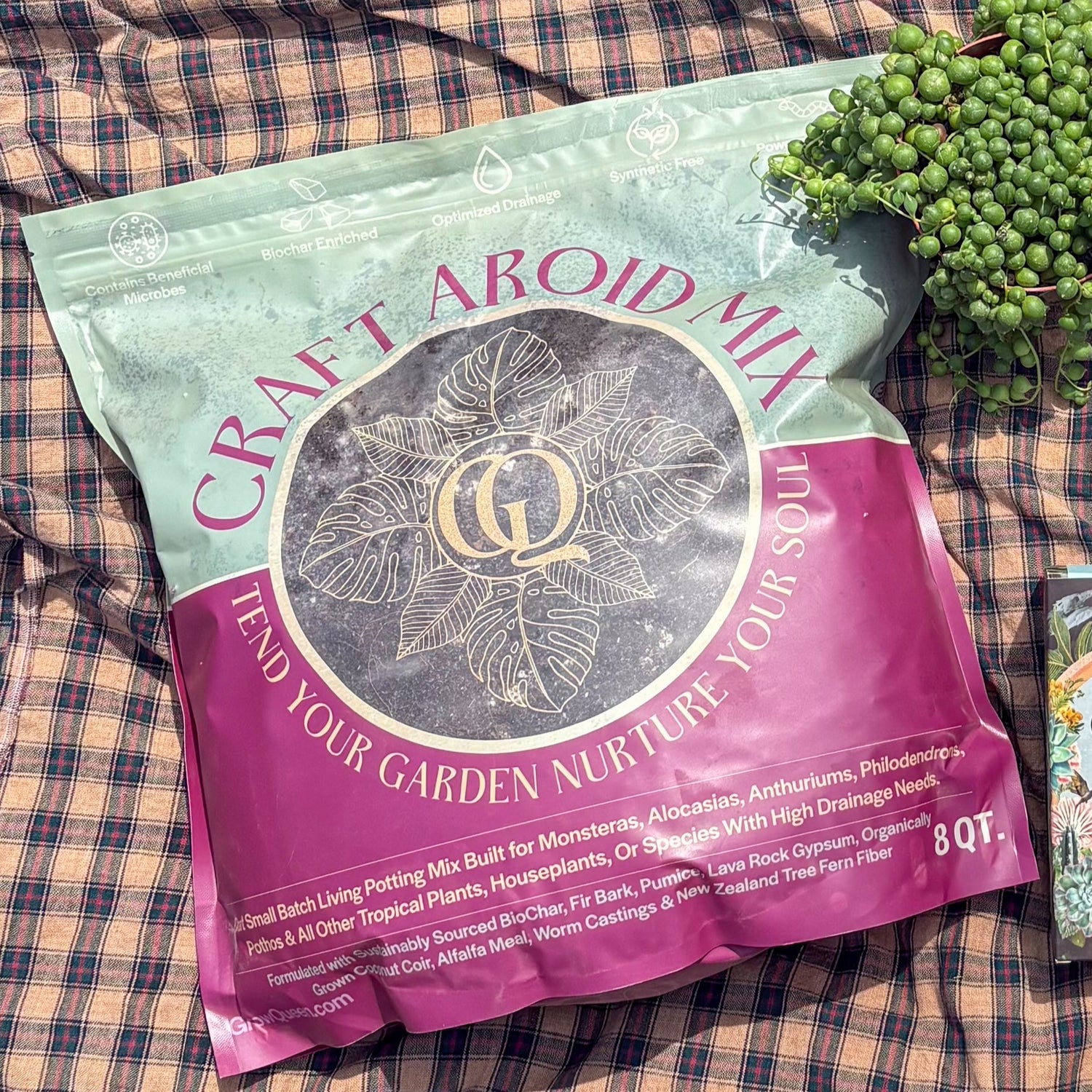
Grow Queen pick: Craft Houseplant Potting Mix. Craft Houseplant Potting Mix holds moisture evenly while staying aerated, which fits a ti plant that wants moist, fertile, well-drained soil.
Learn more: Pillar 1, Soils & Growth Mediums →
Pillar 2
☀️ Lighting
What they need: Bright, indirect or filtered light.
Bright, indirect light keeps ti plant colors bright. An east, south or west window with filtered light works well. Too little light dulls the colors, while harsh direct sun can fade or scorch colorful leaves.
Signs of too little light:
• Pink and red tones fade toward green.
• Leggy stems with fewer leaves.
• Slow growth.
Signs of too much light:
• Faded, washed-out color.
• Scorched patches on leaves.
• Crispy leaf edges.
Learn more: Pillar 2, Lighting →
Pillar 3
💧 Watering
What they need: Regular water, with a slight dry-down between drinks.
Water regularly, but let the mix dry out a bit between waterings, and never leave it soggy. Cut back on watering from late fall to late winter, when growth slows. Overwatering and wet soil can lead to fungal leaf spot and root problems.
Signs of overwatering:
• Yellowing lower leaves.
• Dark spots on leaves.
• Soft stems or a sour-smelling mix.
Signs of underwatering:
• Drooping leaves.
• Brown, dry leaf tips.
• Lower leaves drying and dropping.
Learn more: Pillar 3, Watering →
Pillar 4
🌡️ Environment
What they need: Warmth and humid air, away from cold.
Ti plants do best between 65 and 95°F and do not tolerate temperatures below 50°F. They like high humidity, so a humidifier or pebble tray helps indoors. Leaf tips turn brown when the air is too dry.
Ideal conditions:
• Temperature: 65 to 95°F.
• Humidity: high. Use a humidifier or pebble tray.
• Bright, filtered light.
• Good air circulation to help prevent leaf spot.
Avoid:
• Temperatures below 50°F.
• Dry air from heating vents.
• Soggy, poorly drained soil.
Learn more: Pillar 4, Environment →
Pillar 5
🪴 Plant Nutrients
What they need: Regular feeding during active growth.
NC State notes that fertilizing several times a year helps ti plants keep their colors, and the RHS recommends a balanced liquid feed monthly while the plant is growing. Hold off in winter when you water sparingly.
Benefits of the right feeding:
• Brighter, richer leaf color.
• Steady new growth.
• Stronger plants for dividing.
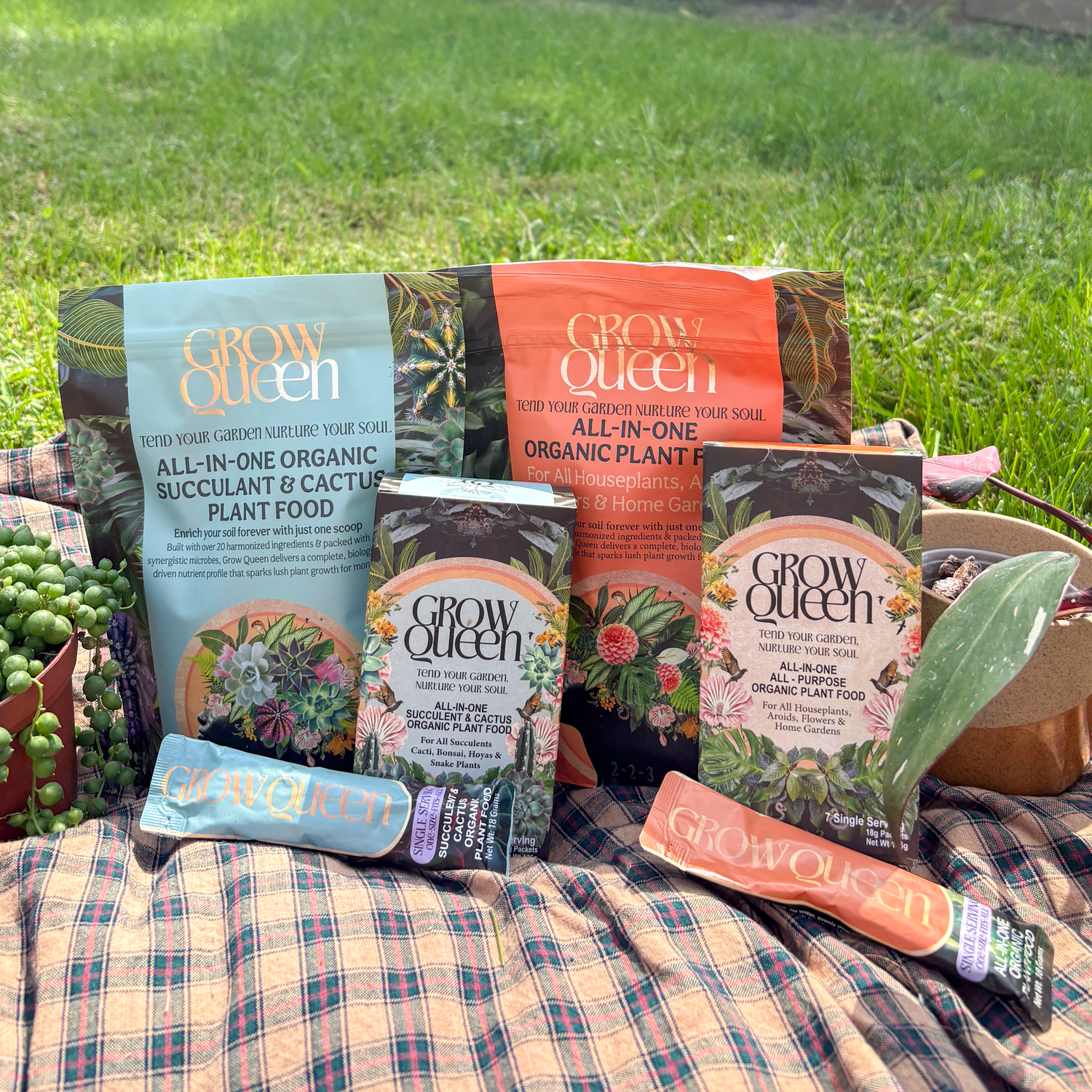
Grow Queen pick: Organic 5-5-5 Liquid Plant Food. Organic 5-5-5 Liquid Plant Food mixes into your watering water, matching the monthly liquid feeding the RHS recommends for ti plants.
Learn more: Pillar 5, Plant Nutrients →
🍂 Common Problems
Why are my ti plant's leaf tips brown?
Dry air is the usual cause. Raise humidity with a humidifier or pebble tray and keep the plant away from heating vents.
Why is my ti plant losing its color?
Colors fade in low light, and colorful types can also fade in harsh sun. Move it to bright, filtered light and feed regularly in the growing season.
What are the spots on the leaves?
Ti plants can get fungal leaf spot, especially with wet soil and still air. Avoid overwatering and improve air circulation. Remove badly spotted leaves.
What are the tiny webs or bumps on my plant?
NC State lists spider mites, scale, mealybugs, aphids, thrips and fungus gnats as pests to watch. Isolate the plant, wipe leaves, and ask your local extension office about ongoing problems.
✂️ Maintenance & Growth Tips
• Wipe dust off leaves with a soft cloth.
• Remove old, yellow lower leaves.
• Propagate from top cuttings or stem sections, keeping sections the right way up.
• Divide rhizomes when repotting.
• Wear gloves when handling, since the sap can irritate skin.
⚠️ Pet Safety
The ASPCA lists ti plant (Cordyline terminalis, now Cordyline fruticosa) as toxic to dogs and cats because of saponins. Signs can include vomiting (sometimes with blood), depression, loss of appetite, drooling and, in cats, dilated pupils. Keep it out of reach and call your vet or the ASPCA Animal Poison Control Center if a pet chews on it.
🌿 Bottom Line
Ti plants are colorful and dramatic, and they need warmth to match. Keep them above 50°F, in bright filtered light, with humid air.
Water regularly with a slight dry-down, feed monthly in the growing season, and keep them away from pets. The reward is a bold splash of tropical color.
Grow Queen Picks for Cordyline (Ti Plant)
The soil and food to keep your Cordyline (Ti Plant) growing strong.





0 comments