
Grow Queen Plant Care Guide
Haworthia & Haworthiopsis (Zebra Plant)
Haworthias are small, sculptural succulents with striped, dotted or translucent leaves. They fit on any windowsill, handle less light than most succulents, and pass easily from friend to friend through their pups.

Haworthias are forgiving, but they will not tolerate wet roots. Give them a gritty mix, bright light and a dry winter rest and they can live for decades. This guide walks through Haworthia & Haworthiopsis (Zebra Plant) care using Grow Queen's 5 Pillars of Plant Care.
🌿 Quick Care Snapshot
🌏 Know Your Plant
Haworthia and its close relative Haworthiopsis are succulents in the aloe family, Asphodelaceae. Kew's Plants of the World Online lists Haworthia as native to southern Africa, in South Africa's Cape Provinces and Free State. Many grow in partly shaded spots in the wild, tucked under shrubs or partly buried in sand, which is why they cope with lower light than most succulents. Popular zebra plants such as Haworthiopsis attenuata and H. fasciata were once classed as Haworthia and are now in their own genus, but their care is the same. Indoors that means a gritty mix, bright but not scorching light, and a cool, dry rest in winter.
• Family: Asphodelaceae (aloe family)
• Native to southern Africa (per Kew POWO)
• Zebra plants are now Haworthiopsis, formerly Haworthia
• Small rosettes, usually 1 to 3 inches across, that form clumps
✨ Fun Facts
• The genus is named for British botanist Adrian Hardy Haworth. Before 1809, these plants were grouped with Aloe.
• Some haworthias have translucent 'windows' at their leaf tips, which let light in even when the plant is partly buried in sand.
• Haworthias have been grown in Europe for nearly 400 years.
• NC State Extension notes the zebra plant (Haworthiopsis attenuata) can live up to 50 years.
Pillar 1
🌱 Soil & Growth Medium
What they need: A gritty, very free-draining mix.
Haworthias need a well-drained mix that never stays wet. Use a cactus mix, or blend a good potting mix with an equal amount of pumice, perlite or grit. Avoid fine sand, which can clog the mix. Many haworthias stay in the same pot for years, so refresh the mix every two to three years.
• Shallow pots usually work better than deep ones.
• Terracotta dries faster than plastic or glazed ceramic.
• Pick a pot close to the size of the root system.
• Repot every two to three years into fresh mix.
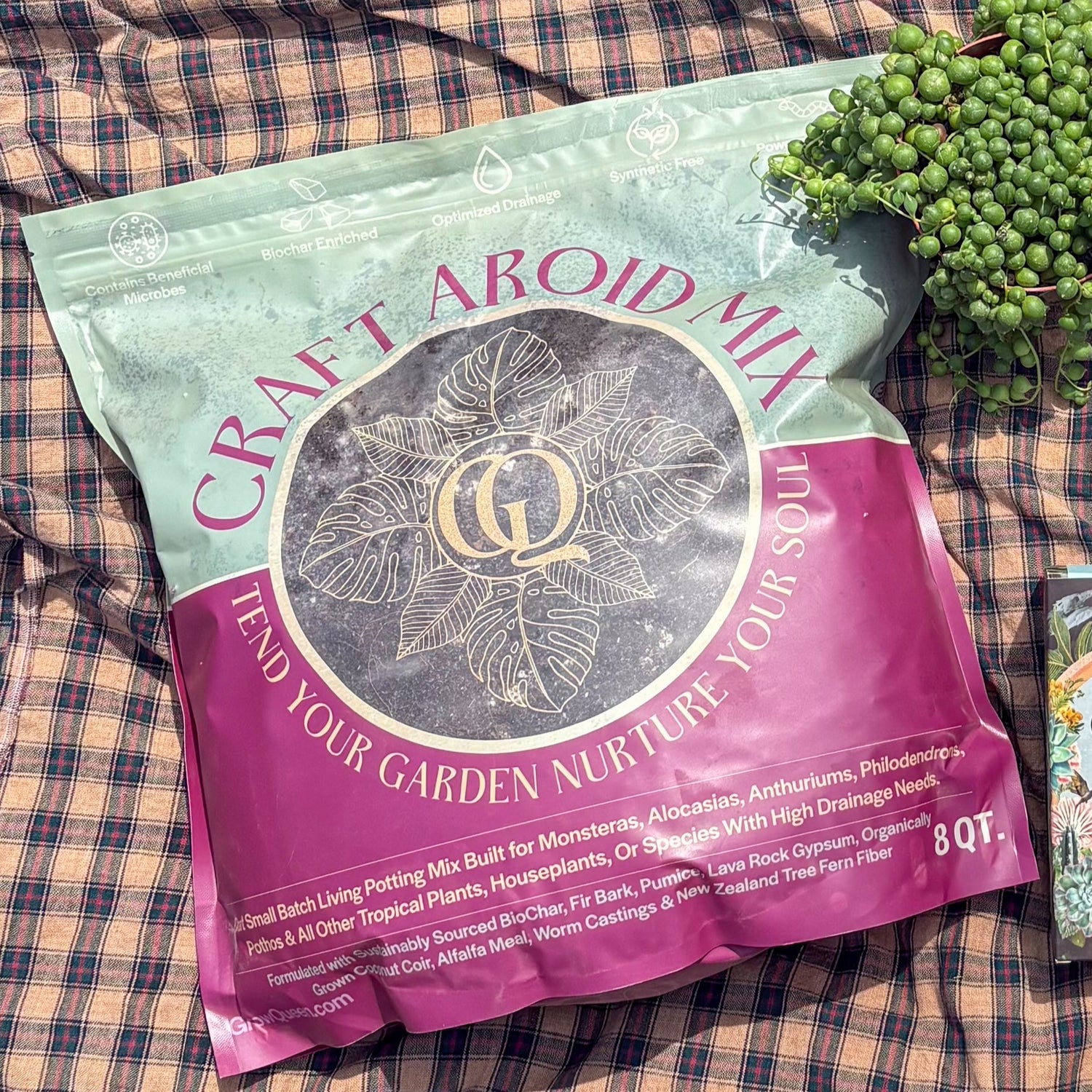
Grow Queen pick: Craft Desert Mix. Craft Desert Mix is chunky, gritty, peat-free and perlite-free, a close match to the fast-draining, grit-heavy mix haworthias need.
Learn more: Pillar 1, Soils & Growth Mediums →
Pillar 2
☀️ Lighting
What they need: Bright light with some gentle direct sun.
An east or west window with a few hours of direct light and bright, indirect light the rest of the day suits most haworthias. A south window can be too strong unless filtered by a sheer curtain. In too little light, leaves stretch and lose their color. In too much, they can scorch.
Signs of too little light:
• Leaves stretching and the rosette opening up.
• Faded stripes or patterns.
• Pale green color instead of rich tones.
Signs of too much light:
• Scorched, bleached or brown patches.
• Leaf tips drying out.
• Leaves looking dull and stressed after a sudden move into sun.
Learn more: Pillar 2, Lighting →
Pillar 3
💧 Watering
What they need: Water thoroughly, then let the mix dry. Very little in winter.
In spring and summer, water thoroughly once the mix has dried, and let all excess drain away. In a well-drained mix that can mean about once a week in summer. In winter, haworthias rest: give only light, occasional water, just enough to keep the leaves from shriveling. Prolonged wet soil, especially when cool or in low light, is the main cause of root rot. The RHS suggests rainwater or filtered water if your tap water is high in fluoride.
Signs of overwatering:
• Soft, mushy or translucent leaves at the base.
• Growth stalls and leaves shrink or shrivel.
• The rosette loosens or pulls free from rotted roots.
Signs of underwatering:
• Thin, wrinkled or shriveled leaves.
• Leaf tips drying out.
• Slow or misshapen growth.
Learn more: Pillar 3, Watering →
Pillar 4
🌡️ Environment
What they need: Average home temperatures, a cooler winter rest and dry air.
Sources give slightly different ranges. The RHS says 50 to 80°F, NC State Extension says 60 to 80°F, and Wisconsin Extension says haworthias grow best at 75 to 90°F. All agree to keep them above about 50°F indoors and away from cold drafts. Typical home humidity is fine.
Ideal conditions:
• About 60 to 80°F while growing
• A cooler winter rest, but never below 50°F
• Normal, dry indoor humidity
• Good air movement
Avoid:
• Cold drafts and temperatures below 50°F
• Saucers of standing water
• Sudden moves into full sun
Learn more: Pillar 4, Environment →
Pillar 5
🪴 Plant Nutrients
What they need: Light feeding in the growing season only.
The RHS suggests feeding cacti and succulents about once a month during the growing season with a cactus fertilizer or one high in potassium. Do not feed during the winter rest. Too much feeding pushes soft, weak growth.
Benefits of the right feeding:
• Steady, compact growth
• More offsets to divide and share
• Better chance of flowering
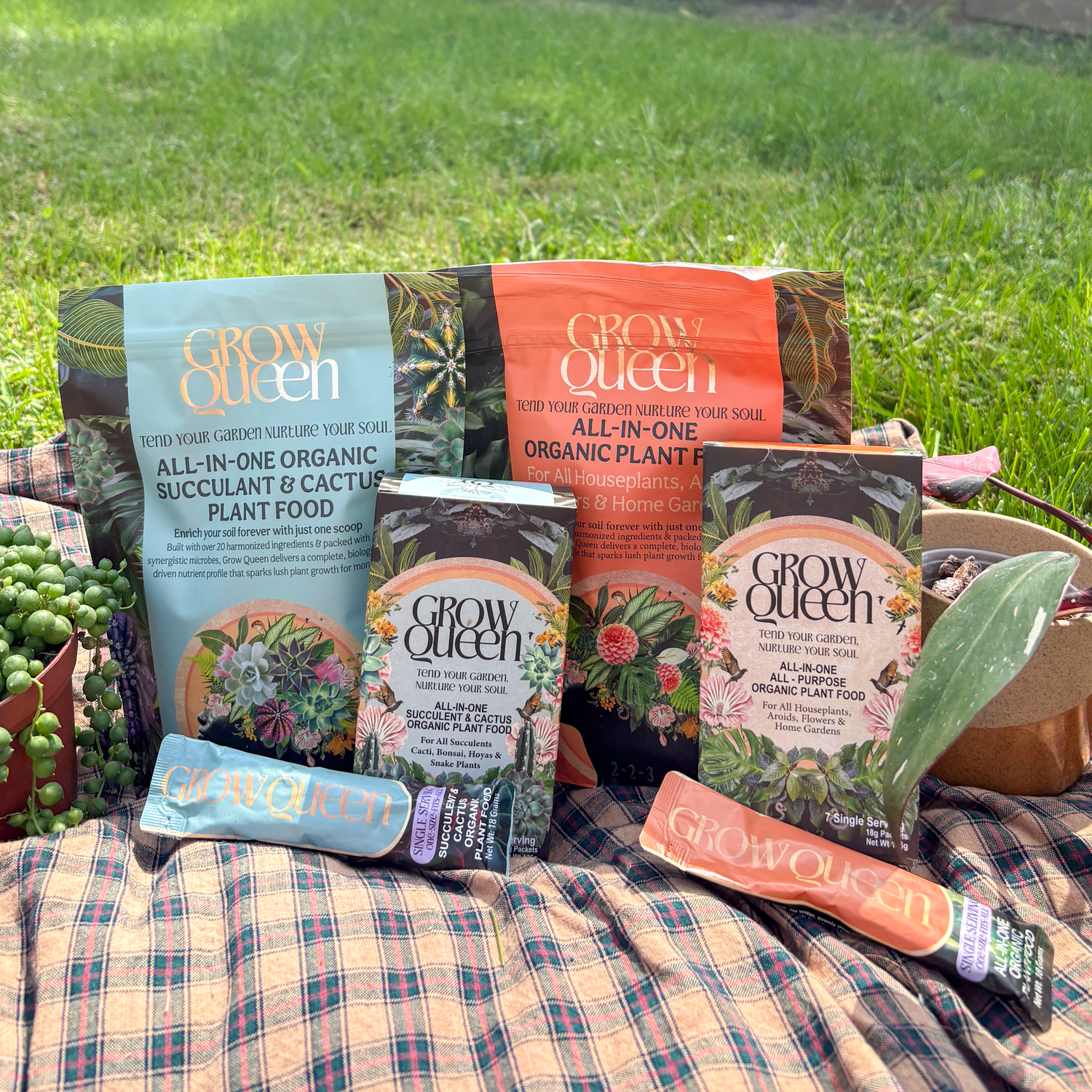
Grow Queen pick: Organic Succulent & Cactus Plant Food. Organic Succulent & Cactus Plant Food is made for cacti and succulents, so it fits the light growing-season feeding haworthias want.
Learn more: Pillar 5, Plant Nutrients →
🍂 Common Problems
Why is my haworthia turning mushy?
Mushy leaves mean rot, almost always from too much water or a mix that stays wet. Unpot the plant, cut away soft or dark roots, let it sit dry for about a week, then repot in fresh gritty mix and water lightly until it recovers.
Why is my haworthia changing color?
Bright light can bring out reds, browns and other tones, which is normal. Dry, bleached or brown scorched patches are not. Those mean too much direct sun, so move the plant to bright light with only gentle morning or late afternoon sun, and ease it into brighter spots over a few weeks.
Why is my haworthia stretching?
Stretched, pale growth means too little light. Haworthias tolerate lower light than most succulents, but they still need a bright window or a grow light to stay compact.
Why are the leaves shriveling?
Shriveling can mean thirst, or it can mean the roots have rotted and cannot take up water. Check the soil and the roots. If the roots are firm and the mix is dry, water thoroughly.
✂️ Maintenance & Growth Tips
• Separate pups or offsets and pot them up to make new plants.
• Let any cut or wounded roots dry for a few days before repotting.
• Brush dust off leaves with a soft brush.
• Check leaf bases for mealybugs and scale. Isolate and remove them by hand.
• Give a cool, dry winter rest to keep growth compact.
⚠️ Pet Safety
The ASPCA lists Haworthia species as non-toxic to dogs and cats. NC State Extension also describes zebra plant (Haworthiopsis attenuata) as non-toxic to pets. Eating any plant can still cause mild stomach upset, so discourage chewing.
🌿 Bottom Line
Haworthias need a gritty, fast-draining mix, bright light with a little gentle sun, and water only when the mix is dry. A dry winter rest keeps them compact and healthy.
They are slow, long-lived and easy to share. Most failures come from too much water, so when in doubt, wait.
Grow Queen Picks for Haworthia & Haworthiopsis (Zebra Plant)
The soil and food to keep your Haworthia & Haworthiopsis (Zebra Plant) growing strong.





0 comments