
Grow Queen Plant Care Guide
Dieffenbachia (Dumb Cane)
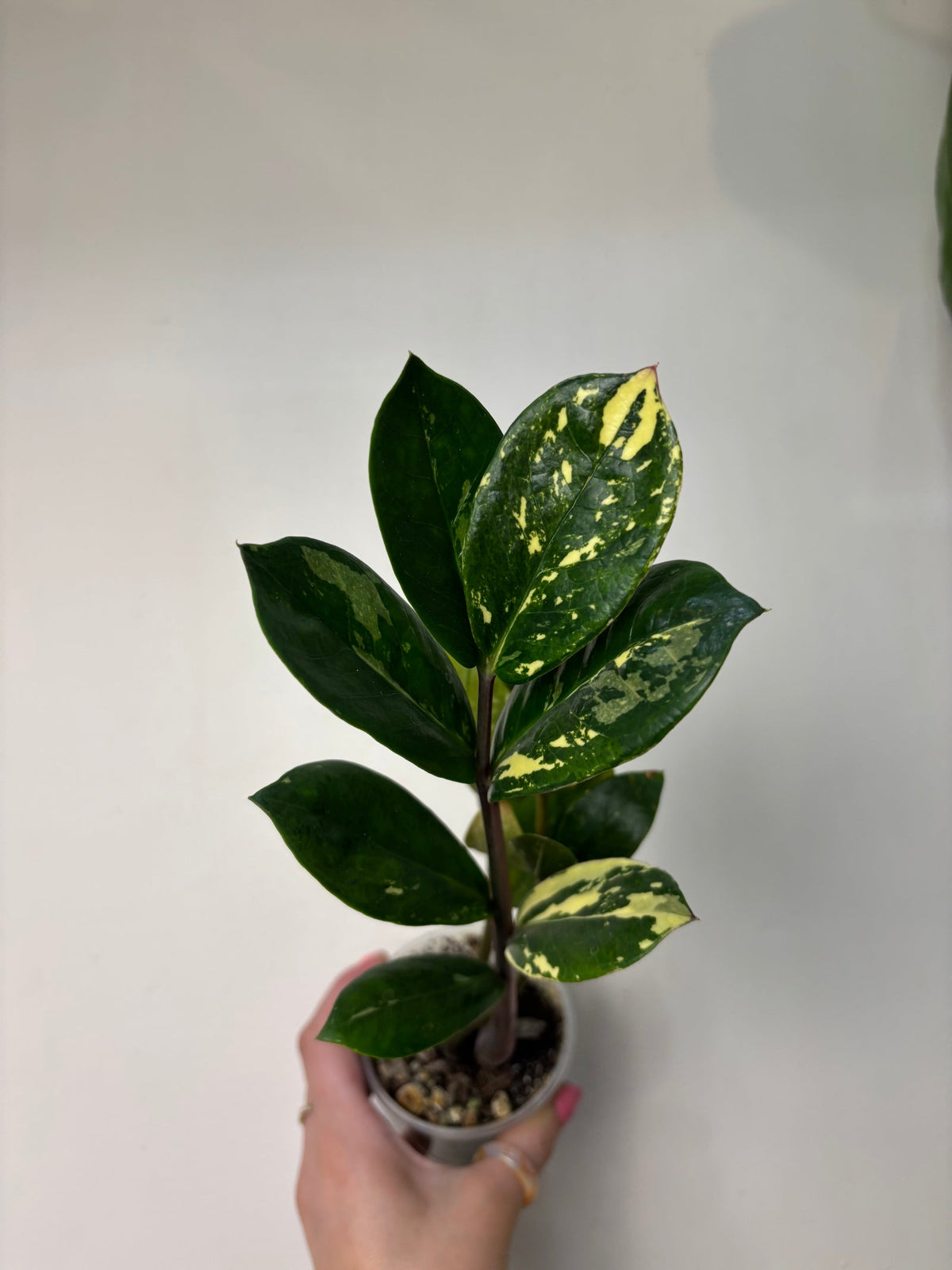
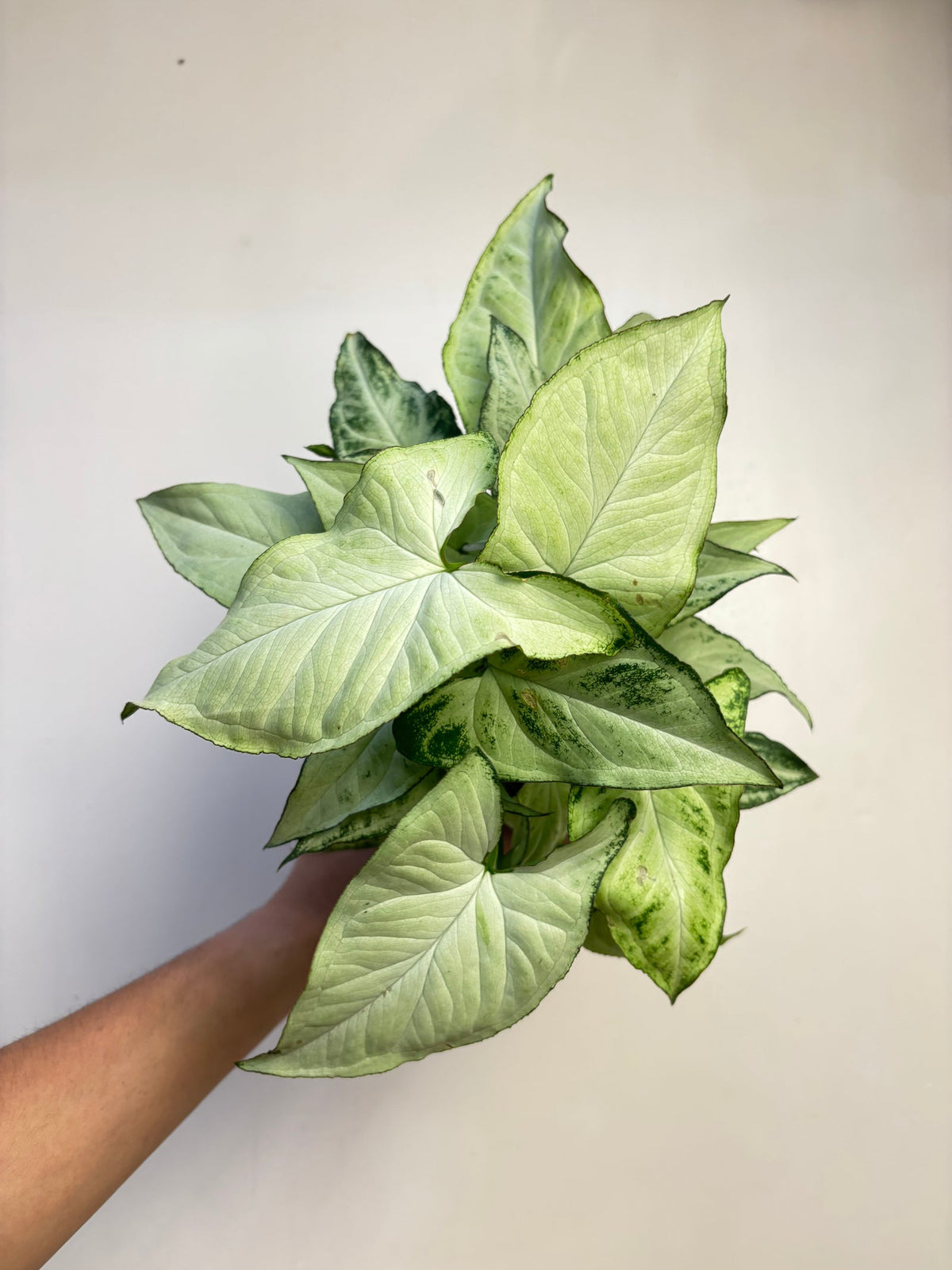
Dieffenbachia, often called dumb cane, has big, bold leaves splashed with cream, white and yellow. It has been a favorite indoor plant since the Victorian era because it handles the softer light of most homes.

Dieffenbachia is easy to grow once you get the light, watering and warmth steady. Here is how to cover each of the 5 Pillars, plus what to do about the usual leaf problems. This guide walks through Dieffenbachia (Dumb Cane) care using Grow Queen's 5 Pillars of Plant Care.
🌿 Quick Care Snapshot
🌏 Know Your Plant
Dieffenbachia is a genus in the arum family, Araceae, the same family as philodendron and peace lily. The species most grown as a houseplant, Dieffenbachia seguine, is native from the Caribbean to tropical South America according to Kew's Plants of the World Online, where it grows as a subshrub in the wet tropics. Growing on shaded forest floors explains why it tolerates lower light and likes warmth and humidity. Its thick stems and large leaves hold a lot of water, so it prefers even watering over soggy soil.
• Family: Araceae, the arum family.
• Native from the Caribbean to tropical South America.
• Tolerates lower light, which makes it a good indoor plant.
• Sizes range from compact 12 inch types to canes 6 to 8 feet tall.
✨ Fun Facts
• Dieffenbachia has been a popular indoor plant since the Victorian era.
• Several cultivars, including 'Tropic Honey' and 'Starry Nights', were developed at the University of Florida.
• Dieffenbachia does flower, but rarely indoors, and the blooms are not showy.
• UF/IFAS no longer recommends dieffenbachia for Florida landscapes because it is predicted to become invasive there.
Pillar 1
🌱 Soil & Growth Medium
What they need: Any good quality, well-drained potting mix.
Dieffenbachia grows well in a good quality, well-drained potting mix. Repot as needed when roots fill the pot to keep growth strong. Make sure the pot drains and never let it sit in a saucer of water.
• Use a pot with drainage holes.
• Repot when roots crowd the pot, usually in spring.
• Go up one pot size at a time.
• Wear gloves when repotting to keep sap off your skin.
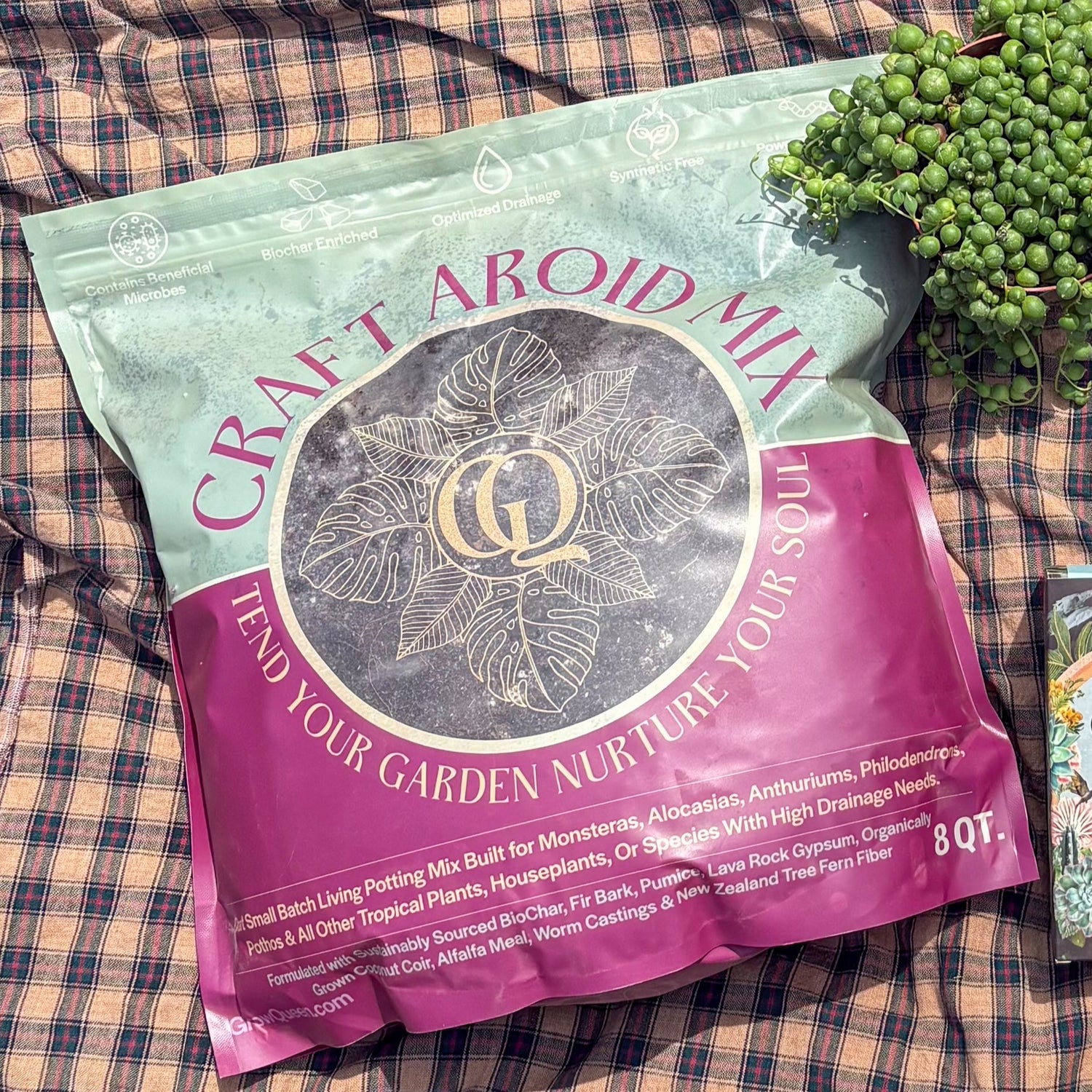
Grow Queen pick: Craft Houseplant Potting Mix. Craft Houseplant Potting Mix holds moisture evenly while staying aerated, which suits dieffenbachia's need for a good quality, well-drained mix.
Learn more: Pillar 1, Soils & Growth Mediums →
Pillar 2
☀️ Lighting
What they need: Diffused or filtered light. It tolerates shade.
Dieffenbachia prefers diffused sunlight or partial shade and will tolerate full shade, which is why it does well indoors. If growth slows or stops, it likely needs more light. Turn the pot a quarter turn every few days so it does not lean toward the window.
Signs of too little light:
• Little or no new growth.
• Plant stretches and leans toward the light.
• Variegation becomes less striking.
Signs of too much light:
• Pale, bleached patches on leaves.
• Scorched brown spots.
• Leaves curling at the edges.
Learn more: Pillar 2, Lighting →
Pillar 3
💧 Watering
What they need: Regular watering, with the surface drying between drinks.
Water well when the soil surface feels dry, then wait until it dries again. Keep your routine steady, since uneven watering can cause brown leaf tips, and never let the plant sit in water. In winter, the soil will dry more slowly, so check before you water.
Signs of overwatering:
• Yellowing leaves and a soft, mushy stem base.
• Soil that stays wet for days.
• Sour smell from the pot.
Signs of underwatering:
• Droopy leaves.
• Brown leaf tips.
• Dry, crispy lower leaves.
Learn more: Pillar 3, Watering →
Pillar 4
🌡️ Environment
What they need: Warm rooms and fairly high humidity.
Dieffenbachia grows best between 60 and 75°F. If leaves droop and fall without yellowing first, the plant is probably too cold, so keep it where temperatures stay above 55°F. It prefers relatively high humidity.
Ideal conditions:
• Temperature: 60 to 75°F.
• Humidity: relatively high. A pebble tray helps in dry homes.
• Diffused light away from hot windows.
• A spot where you can turn the pot regularly.
Avoid:
• Temperatures below 55°F and cold drafts.
• Letting the pot sit in water.
• Heavy or frequent fertilizing.
Learn more: Pillar 4, Environment →
Pillar 5
🪴 Plant Nutrients
What they need: Light feeding during active growth.
Feed during spring and summer with a foliage plant food, following label rates. UF/IFAS suggests a higher-nitrogen foliage food if growth is slow and light is adequate. Too much fertilizer causes curled leaves with brown edges, so flush the pot with clean water if salts build up.
Benefits of the right feeding:
• Steady new leaves.
• Strong leaf color and pattern.
• Sturdier stems.
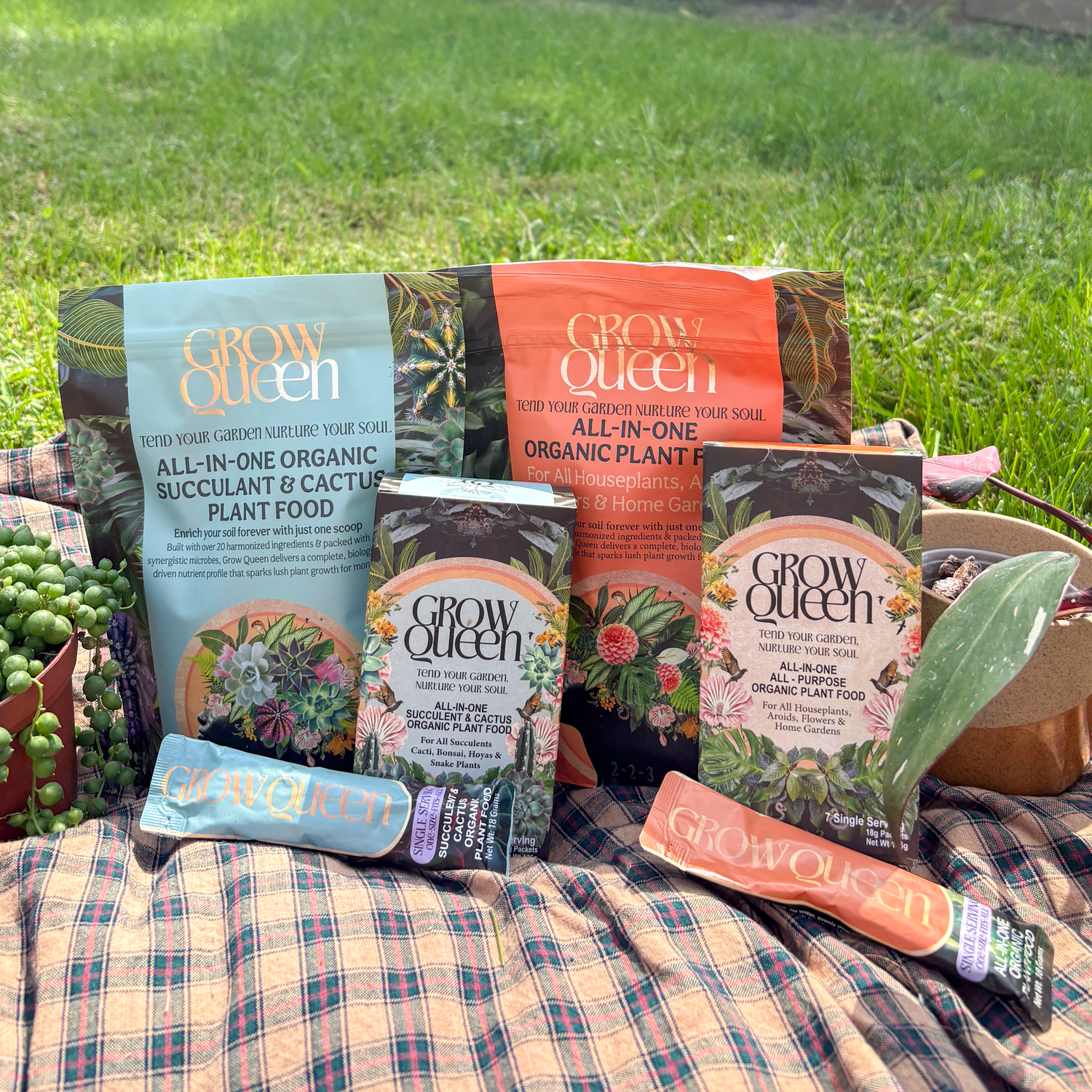
Grow Queen pick: Organic Time Release Plant Food. Organic Time Release Plant Food feeds gently for months, which helps avoid the salt buildup and brown leaf edges that come from heavy feeding.
Learn more: Pillar 5, Plant Nutrients →
🍂 Common Problems
Why are my dieffenbachia's leaves drooping?
Often it needs water, so water well when the surface is dry. If leaves droop and fall without yellowing first, it may be too cold. Keep it above 55°F.
Why are the lower leaves turning yellow?
Some yellowing of the lowest leaves is part of normal growth. Remove them as part of regular upkeep. If many leaves yellow at once, check for soggy soil.
Why do the leaves have brown tips or edges?
Brown tips usually come from uneven watering. Curled leaves with brown edges can mean too much fertilizer, so flush the pot with clean water and feed less.
What are the cottony spots or fine webbing?
Cottony masses are usually mealybugs, and pale leaves with webbing underneath suggest spider mites. Isolate the plant, rinse it with a strong spray of water, and ask your local extension office for help.
✂️ Maintenance & Growth Tips
• Turn the pot a quarter turn every few days for even growth.
• Cut back tall, leggy canes occasionally to encourage a fuller plant.
• Remove yellowing lower leaves.
• Wipe leaves with a damp cloth to remove dust.
• Wear gloves when pruning and wash your hands afterward.
⚠️ Pet Safety
The ASPCA lists dieffenbachia as toxic to dogs and cats. It contains insoluble calcium oxalates and a proteolytic enzyme, which can cause intense burning and irritation of the mouth, drooling, vomiting and difficulty swallowing. Keep it well out of reach of pets and children, and call your vet or the ASPCA Animal Poison Control Center if a pet chews on it.
🌿 Bottom Line
Dieffenbachia is easy to keep when you give it filtered light, warm rooms above 55°F, and water when the surface dries. Keep watering steady to avoid brown tips.
Feed lightly in the growing season, turn the pot often, and keep it away from pets and kids. You will have a bold, leafy plant for years.
Grow Queen Picks for Dieffenbachia (Dumb Cane)
The soil and food to keep your Dieffenbachia (Dumb Cane) growing strong.





0 comments