
Grow Queen Plant Care Guide
Polka Dot Plant (Hypoestes phyllostachya)
Polka dot plant brings pink, red or white speckled leaves to a desk, shelf or terrarium. It grows fast, stays small and roots easily from cuttings, so one plant can quickly become several.

Hypoestes is easy once you give it bright light without harsh sun, steady moisture and humid air. Here is how to cover each of the five pillars. This guide walks through Polka Dot Plant (Hypoestes phyllostachya) care using Grow Queen's 5 Pillars of Plant Care.
🌿 Quick Care Snapshot
🌏 Know Your Plant
Polka dot plant (Hypoestes phyllostachya) is native to Madagascar, according to Kew's Plants of the World Online, where it grows as a small, soft-stemmed subshrub in a wet tropical climate. It belongs to the acanthus family (Acanthaceae). Indoors, that background means it wants warmth, humid air and soil that never goes bone dry. It is frost tender and only hardy outdoors in USDA zones 10 and 11, so most people grow it as a houseplant or a summer annual.
• Native to Madagascar; acanthus family (Acanthaceae)
• Grown for its spotted leaves, not its small lilac flowers
• Fast growing; usually 1 to 2 feet tall
• Loves humidity, which makes it a good terrarium plant
✨ Fun Facts
• A polka dot seedling's first leaves (the cotyledons) are plain green. The color only shows up on the first set of true leaves.
• The genus name comes from Greek words meaning 'under' and 'house', a nod to the way bracts cover the flower's calyx.
• Its seeds need light to germinate, so they are pressed onto the soil surface instead of being buried.
• Older references list it as Hypoestes sanguinolenta, a name now treated as a synonym.
Pillar 1
🌱 Soil & Growth Medium
What they need: A moisture-retentive mix that still drains well.
Polka dot plant likes soil rich in organic matter that stays evenly moist but never soggy. A peat-free houseplant mix works well. Use a pot with a drainage hole so extra water can escape.
• Repot every two or three years, once roots fill the pot.
• Several colors planted together in one wide pot make a bright display.
• In a terrarium or sealed jar, the soil dries more slowly, so water less often.
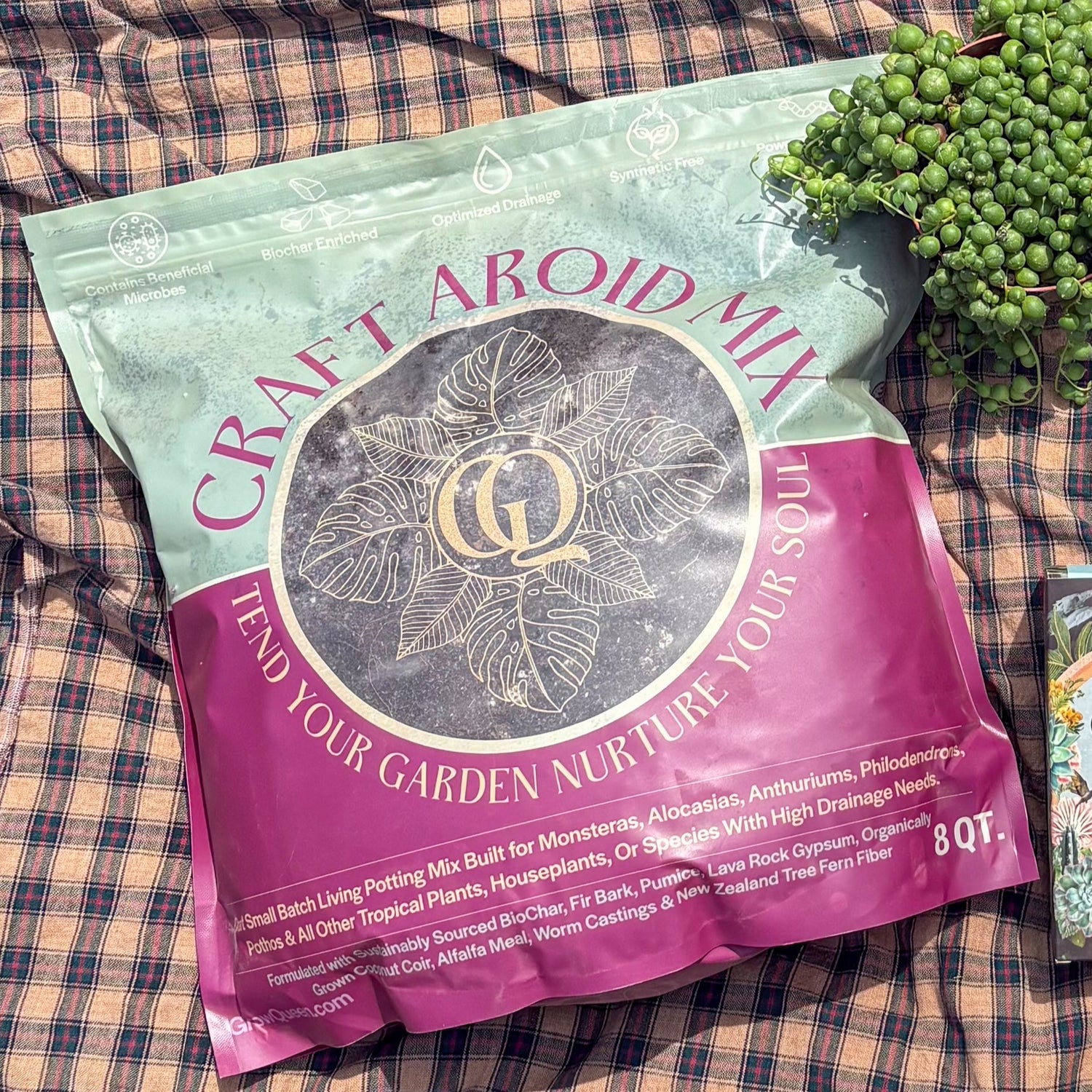
Grow Queen pick: Craft Houseplant Potting Mix. Craft Houseplant Potting Mix is peat-free and holds moisture evenly while staying aerated, which matches what this moisture-loving plant needs.
Learn more: Pillar 1, Soils & Growth Mediums →
Pillar 2
☀️ Lighting
What they need: Bright, filtered light with little or no direct sun.
Bright light keeps the pink, red or white markings vivid. Strong direct sun can fade the color and scorch or curl the leaves. An east- or west-facing window, or a spot a few feet back from a sunny one, is a good fit.
Signs of too little light:
• Leaf color fades or leaves turn mostly green
• Long, leggy stems that stretch toward the window
• Weak, spindly growth
Signs of too much light:
• Leaves crinkle or curl
• Faded, washed-out color
• Scorched, crispy patches on leaves
Learn more: Pillar 2, Lighting →
Pillar 3
💧 Watering
What they need: Keep the soil lightly moist, letting the surface dry slightly.
Water when the top of the soil just starts to feel dry. This plant does not tolerate drought well and will droop dramatically when thirsty, though it usually perks up within hours of a good drink. In winter, growth slows, so check the soil before watering instead of following a schedule.
Signs of overwatering:
• Yellowing leaves that drop
• Soil that stays wet for days
• Mushy stems at the soil line (root rot)
Signs of underwatering:
• Whole plant wilts and flops over
• Leaves yellow and drop
• Crispy leaf edges
Learn more: Pillar 3, Watering →
Pillar 4
🌡️ Environment
What they need: Warm, humid air with no cold drafts.
Hypoestes needs humid air to keep its leaves looking good. In dry rooms the leaf edges turn brown. A bright bathroom or kitchen, a pebble tray or a terrarium all help.
Ideal conditions:
• Temperatures always above 54°F; normal room warmth is fine
• Moderate to high humidity
• Bright bathroom, kitchen or terrarium
• Steady conditions away from drafts
Avoid:
• Radiators, heat vents and fireplaces
• Cold windows in winter
• Very dry air
Learn more: Pillar 4, Environment →
Pillar 5
🪴 Plant Nutrients
What they need: Light, regular feeding during the growing season.
Feed every two or three weeks from spring into early fall with a diluted liquid fertilizer. Skip feeding in winter. Too much fertilizer pushes tall, floppy shoots, so follow label rates.
Benefits of the right feeding:
• Supports the fast leafy growth this plant is known for
• Helps new shoots fill in after pinching
• Keeps foliage full and colorful
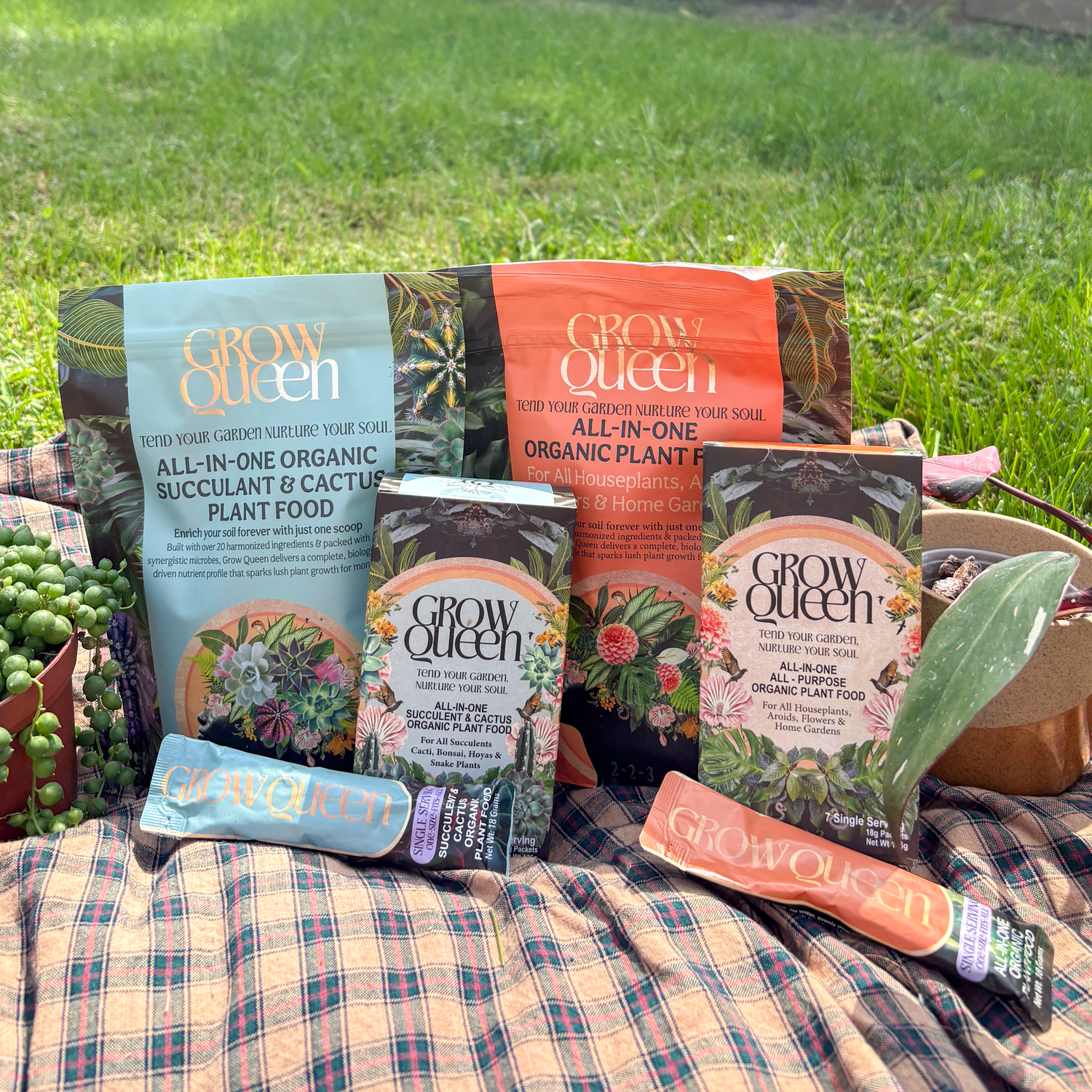
Grow Queen pick: Organic 5-5-5 Liquid Plant Food. Organic 5-5-5 Liquid Plant Food mixes into watering water, so it suits the light feeding every two to three weeks that polka dot plant prefers.
Learn more: Pillar 5, Plant Nutrients →
🍂 Common Problems
Why is my polka dot plant getting tall and leggy?
It usually needs more light, and it naturally stretches with age. Move it to a brighter spot out of harsh sun, then pinch off the shoot tips and any flower spikes so it branches and fills in.
Why are the leaves losing their color?
Too little light makes leaves revert to green, and too much direct sun bleaches them. Aim for bright, indirect light.
Why are the leaf edges brown and crispy?
Dry air is the most common cause. Raise humidity with a pebble tray or move the plant to a bathroom or terrarium, and keep it away from heaters.
What is the white powder on the leaves?
That is likely powdery mildew, which shows up most often when the plant is too dry or the air is dry. Remove affected leaves, improve air movement and keep watering steady. Your local extension office can help confirm the problem.
✂️ Maintenance & Growth Tips
• Pinch shoot tips regularly to keep plants bushy.
• Remove flower spikes so the plant puts energy into leaves.
• Root 2-inch stem tips in water or moist potting mix in spring or summer.
• Divide large clumps in spring into pieces with three or more stems.
• Check leaf undersides for mealybugs, aphids and spider mites, and rinse or wipe them off.
⚠️ Pet Safety
The ASPCA lists polka dot plant (Hypoestes phyllostachya) as non-toxic to dogs, cats and horses. It notes that eating it may still cause mild vomiting or diarrhea, so it is best kept out of chewing range.
🌿 Bottom Line
Polka dot plant is a quick, colorful grower that rewards a little attention. Give it bright light without hard sun, keep the soil lightly moist and keep the air humid.
Pinch it often and start new cuttings as it ages. That keeps your collection compact, bushy and full of color.
Grow Queen Picks for Polka Dot Plant (Hypoestes phyllostachya)
The soil and food to keep your Polka Dot Plant (Hypoestes phyllostachya) growing strong.





0 comments