
Aglaonemas are one of the easiest and most adaptable tropical houseplants you can grow indoors. Loved for their colorful foliage, low-maintenance nature, and ability to tolerate lower light conditions, these plants are perfect for both beginners and experienced collectors alike.
Whether you’re growing a classic green variety or a vibrant pink cultivar, this guide covers everything you need to know about Aglaonema care, including light, watering, humidity, soil, fertilizing, and common plant problems.

🌏 Where Does Aglaonema Come From?
Aglaonemas are tropical plants native to the warm, humid forests of Southeast Asia. They naturally grow beneath dense jungle canopies where they receive filtered light, steady warmth, and high humidity year-round.
Because they evolved in shaded rainforest environments, Aglaonemas adapted exceptionally well to indoor conditions and lower light spaces.
• Native to Southeast Asia and Southern China
• Naturally grows along tropical forest floors
• Prefers warm temperatures and moderate humidity
• Part of the Araceae family, related to philodendrons and monsteras
✨ Fun Facts About Aglaonema
• Aglaonemas are commonly called “Chinese Evergreens.”
• They are considered one of the best low-light houseplants.
• Many colorful varieties have been selectively bred for vibrant foliage patterns.
• NASA once listed Aglaonemas among plants that may help improve indoor air quality.
• The more colorful the leaves, the more light the plant usually prefers.
☀️ Light Requirements
Aglaonemas thrive in bright indirect light but can tolerate medium to lower light conditions better than many tropical houseplants.
Green varieties generally handle lower light best, while pink, red, and silver cultivars maintain stronger coloration with brighter indirect light.
Signs the plant may need more light:
• Slower growth
• Smaller leaves
• Fading color patterns
Signs the plant may be getting too much light:
• Crispy edges
• Bleached leaves
• Brown sunburn spots
💧 Watering
Aglaonemas prefer lightly moist soil but should never remain soggy for long periods. Allow the top 1–2 inches of soil to dry slightly between waterings.
These plants are generally more forgiving than many tropicals, but consistently wet soil can still lead to root rot.
Signs of overwatering:
• Yellowing leaves
• Mushy stems
• Soil staying wet for too long
Signs of underwatering:
• Curling leaves
• Crispy tips
• Drooping foliage
🌱 Best Soil for Aglaonema
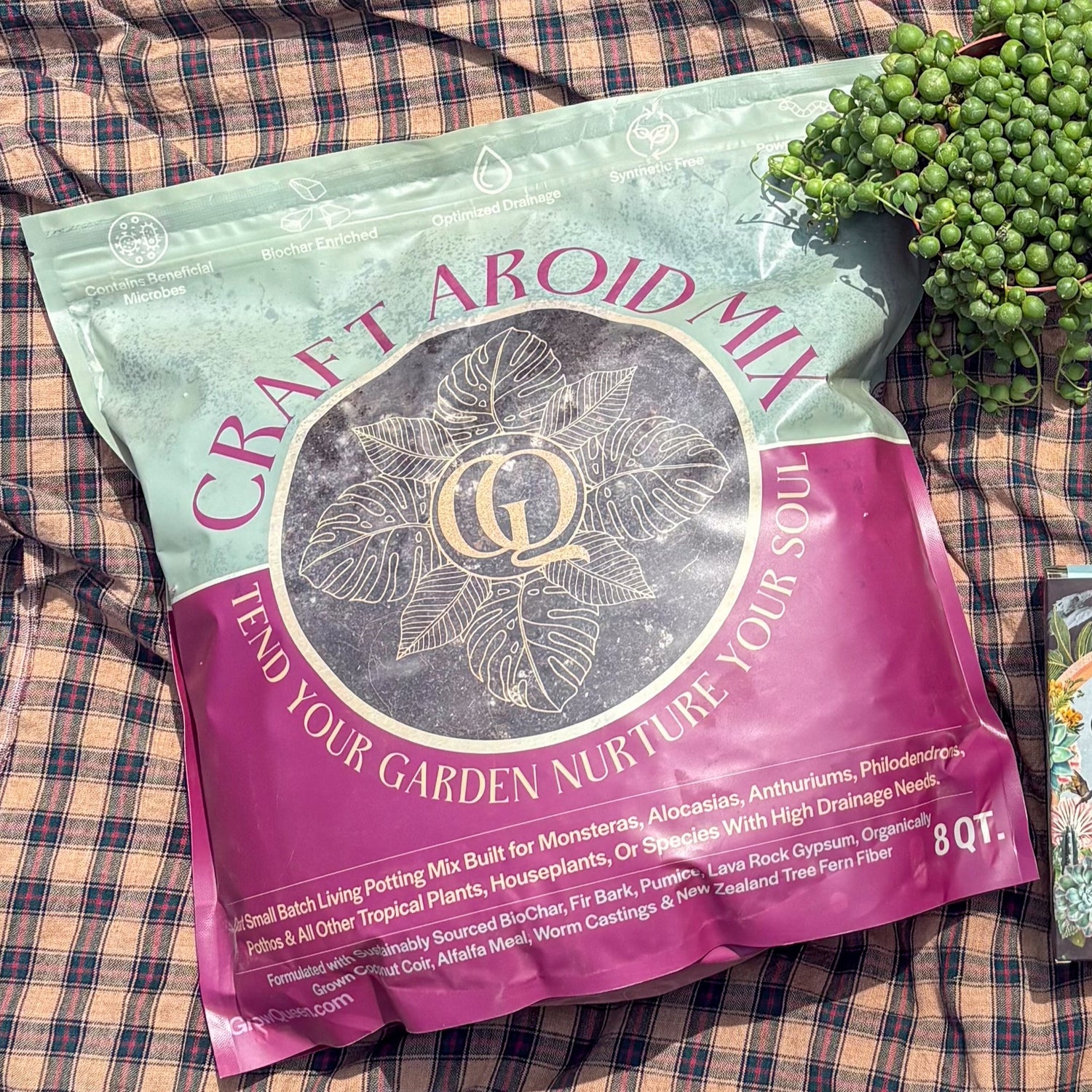
Aglaonemas grow best in chunky, well-draining soil that still retains some moisture around the roots.
Dense or compact soil can suffocate roots and increase the risk of root rot.
Recommended ingredients:
• Coco coir
• Fir bark
• Pumice or perlite
• Compost or worm castings
🌡️ Humidity and Temperature
Aglaonemas appreciate moderate humidity but are generally adaptable to average household conditions.
While they enjoy tropical conditions, they are much less demanding than plants like Alocasias.
Ideal conditions:
• 65–85°F
• Moderate humidity
• Stable indoor temperatures
Avoid:
• Cold drafts
• Freezing windows
• Sudden temperature swings
🪴 Fertilizing
Aglaonemas benefit from regular feeding during spring and summer when actively growing.
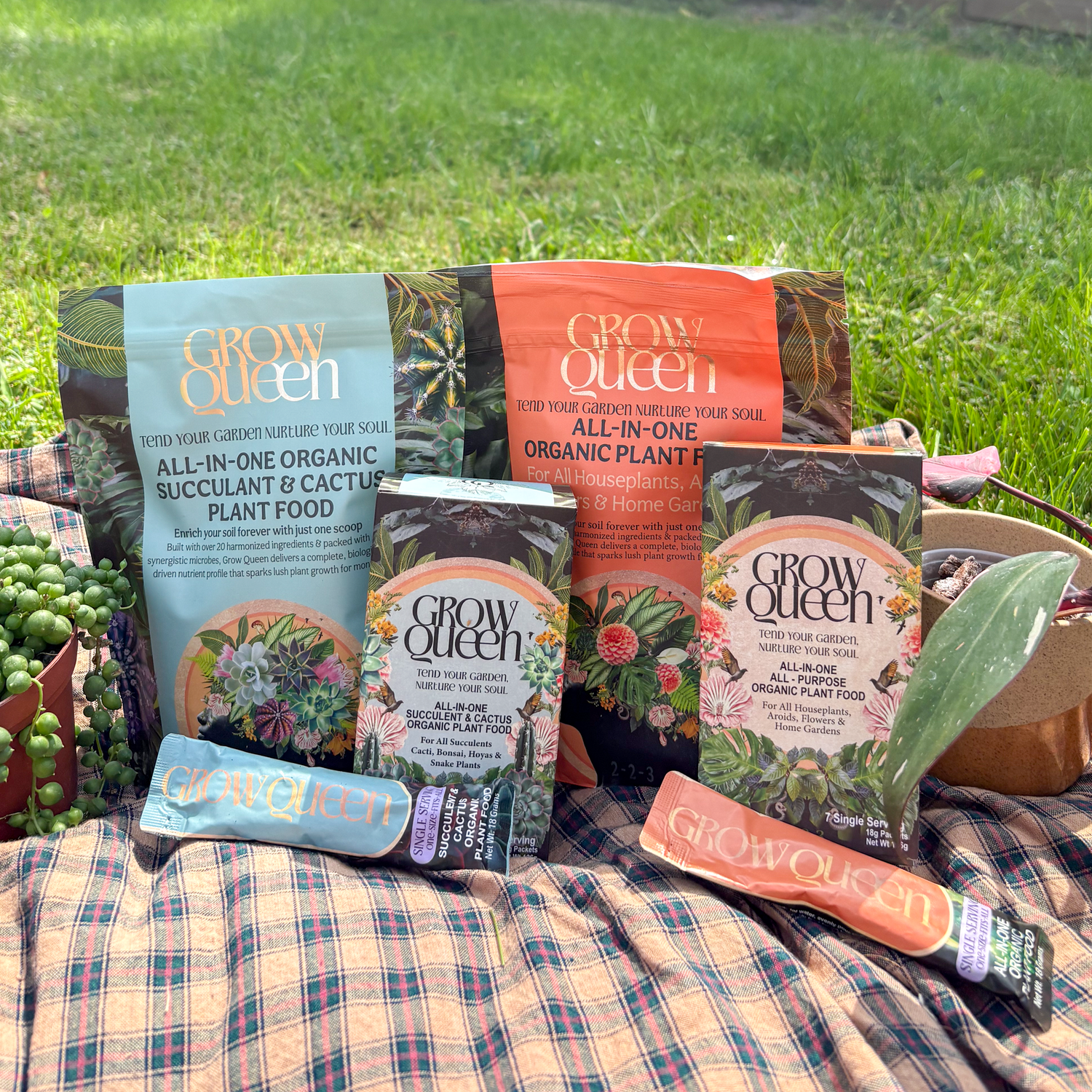
A balanced fertilizer supports fuller growth, healthier roots, and more vibrant foliage.
Benefits of regular feeding:
• Faster growth
• Stronger foliage color
• Healthier root development

🍂 Common Problems
Why are the leaves turning yellow?
Yellow leaves are usually caused by overwatering, poor drainage, or insufficient light.
Why are the leaves curling?
Leaf curling often results from underwatering, dry air, or inconsistent watering.
Why is my plant drooping?
Drooping may occur from both overwatering and underwatering, so checking soil moisture is important.
Why are the tips turning brown?
Brown tips are commonly caused by low humidity, mineral-heavy tap water, or dry soil.
✂️ Maintenance and Growth Tips
• Remove yellowing leaves as they naturally age
• Rotate the plant occasionally for balanced growth
• Wipe leaves gently to remove dust buildup
• Repot every 1–2 years if root bound
• Keep foliage dry overnight to reduce spotting
⚠️ Pet Safety
Aglaonemas are toxic if ingested by pets or humans due to calcium oxalate crystals within the plant tissue.
Keep away from curious pets and small children.
🌿 Final Thoughts
Aglaonemas are one of the most forgiving and rewarding tropical houseplants you can grow indoors. Their ability to tolerate lower light, combined with their colorful foliage and easygoing nature, makes them an excellent choice for homes, offices, and beginner plant parents.
With the right balance of light, watering, humidity, and well-draining soil, Aglaonemas can thrive for years and become a reliable staple in any indoor plant collection.
0 comments