
Anthuriums are known for their velvety foliage, dramatic venation, and tropical elegance. Whether you’re growing a flowering Anthurium or a rare velvet-leaf collector variety, these plants bring a bold, luxurious feel to any indoor plant collection.
While some Anthuriums can be a bit more particular than beginner houseplants, understanding their tropical origins makes caring for them much easier. This guide covers everything you need to know about Anthurium care, including light, watering, humidity, soil, fertilizing, and common plant problems.
🌏 Where Does Anthurium Come From?
Anthuriums are tropical plants native to Central and South America, where they naturally grow in warm, humid rainforest environments. Many species grow as epiphytes, meaning they attach themselves to trees and absorb moisture and nutrients from the air and surrounding organic material.
Their natural habitat explains why they prefer high humidity, airflow, and chunky soil mixes indoors.
• Native to Central and South America
• Often grows attached to trees in tropical rainforests
• Prefers warm temperatures and high humidity
• Part of the Araceae family, related to monsteras and philodendrons

✨ Fun Facts About Anthurium
• Anthuriums are one of the largest genera in the aroid family.
• Some velvet-leaf Anthuriums can develop leaves over several feet long.
• Flowering Anthuriums are sometimes called “Flamingo Flowers.”
• Their glossy or velvety leaves evolved to help shed excess rainforest moisture.
• Many collector Anthuriums become more dramatic and textured as they mature.
☀️ Light Requirements
Anthuriums thrive in bright indirect light. They prefer filtered sunlight similar to what they would receive beneath a rainforest canopy.
Too little light can slow growth and reduce flowering, while harsh direct sun may scorch delicate foliage.
Signs the plant may need more light:
• Slower growth
• Smaller leaves
• Reduced flowering
Signs the plant may be getting too much light:
• Crispy edges
• Faded foliage
• Sunburn spots
💧 Watering
Anthuriums like evenly moist soil but do not tolerate staying soggy for extended periods. Allow the top layer of soil to dry slightly between waterings while maintaining light moisture deeper in the pot.
Consistency is key, especially for velvet-leaf varieties.
Signs of overwatering:
• Yellowing leaves
• Mushy roots or stems
• Fungus gnats
Signs of underwatering:
• Crispy edges
• Drooping leaves
• Curling foliage
🌱 Best Soil for Anthurium
Anthuriums prefer chunky, airy soil with excellent drainage and airflow around the roots. Dense soil can quickly lead to root rot and poor growth.
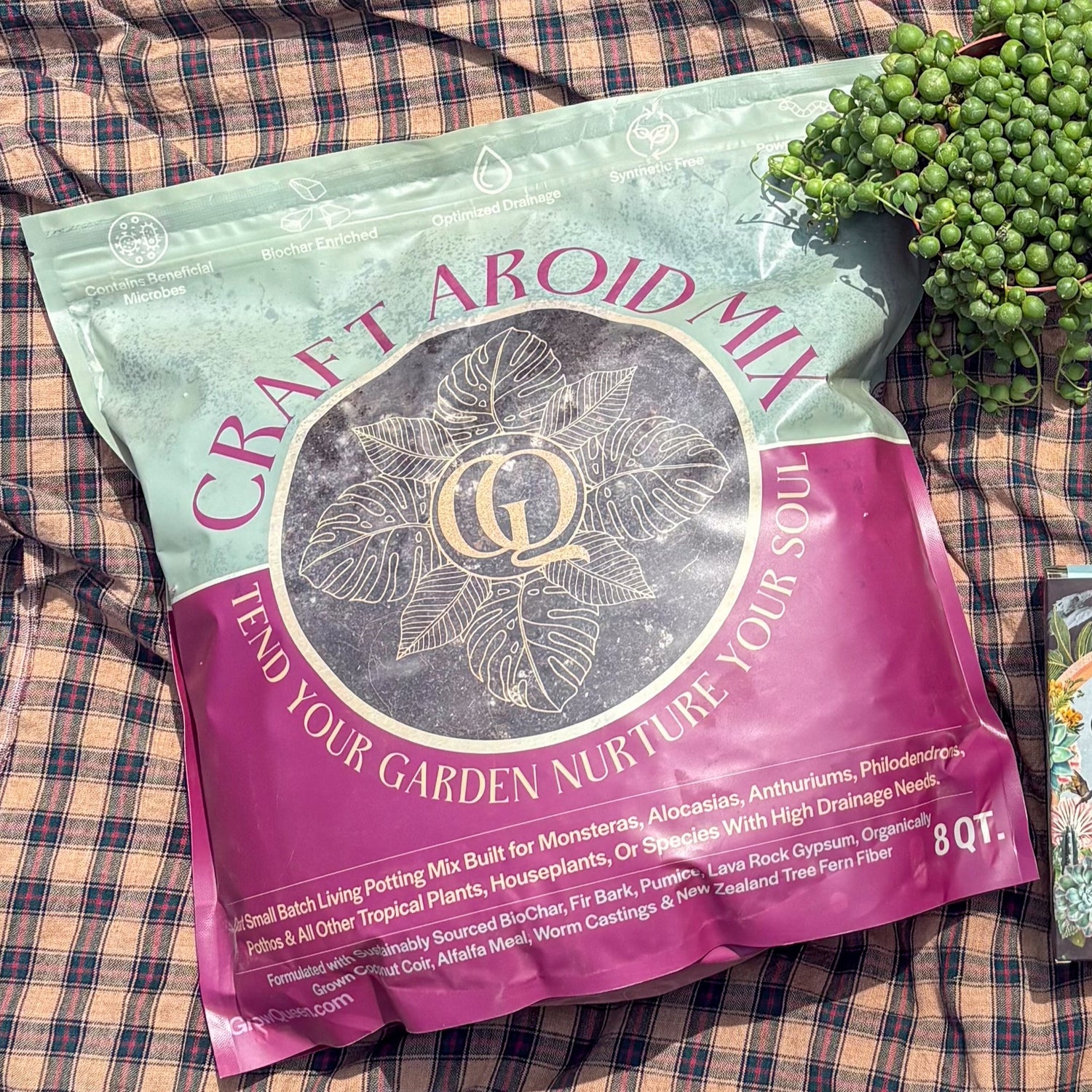
An aroid-style mix works extremely well for most Anthuriums.
Recommended ingredients:
• Fir bark
• Coco coir
• Pumice or lava rock
• Compost or worm castings
🌡️ Humidity and Temperature
Humidity plays a major role in keeping Anthuriums healthy and producing large, healthy foliage.
Most Anthuriums thrive in warm, humid indoor environments with consistent temperatures.
Ideal conditions:
• 65–85°F
• 60%+ humidity
• Gentle airflow
Avoid:
• Cold drafts
• Dry heater air
• Sudden temperature swings
🪴 Fertilizing
Anthuriums benefit from regular feeding during active growth periods in spring and summer.
A balanced fertilizer supports root development, foliage growth, and flowering.
Benefits of regular feeding:
• Larger leaves
• Stronger root systems
• More vigorous growth

🍂 Common Problems
Why are the leaves turning yellow?
Yellow leaves are often caused by overwatering, compact soil, or insufficient drainage.
Why are the leaves curling?
Leaf curling may result from underwatering, low humidity, or environmental stress.
Why is my plant drooping?
Drooping can happen from both overwatering and underwatering, as well as root stress after repotting.
Why are the tips turning brown?
Brown tips are commonly caused by dry air, inconsistent watering, or mineral-heavy tap water.
✂️ Maintenance and Growth Tips
• Remove damaged or yellowing leaves as needed
• Repot every 1–2 years when root bound
• Wipe leaves regularly to remove dust buildup
• Provide airflow to reduce fungal issues
• Support climbing species with moss poles if needed
⚠️ Pet Safety
Anthuriums are toxic if ingested by pets or humans due to calcium oxalate crystals found throughout the plant.
Keep away from curious pets and small children.
🌿 Final Thoughts
Anthuriums are some of the most rewarding tropical plants to grow indoors. Their dramatic foliage, unique textures, and elegant appearance make them standout additions to any plant collection.
With bright indirect light, steady moisture, high humidity, and a chunky well-draining soil mix, Anthuriums can thrive indoors and produce stunning tropical growth year after year.
0 comments