
Alocasias are some of the most dramatic and rewarding tropical plants in the houseplant world. Their oversized leaves, deep venation, metallic textures, and prehistoric appearance make them feel almost unreal. From velvety black foliage to silver dragon scales and giant elephant ear forms, Alocasias have become some of the most sought-after collector plants for a reason.
While they can sometimes have a reputation for being “difficult,” most Alocasia struggles come from misunderstanding the environment these plants evolved in. Once you understand their rainforest origins, their care becomes much more intuitive.
🌏 Understanding Alocasia Origins
 Alocasias originate from tropical and subtropical rainforests throughout:
- Southeast Asia
- Indonesia
- Malaysia
- Borneo
- The Philippines
- Papua New Guine
a
- Parts of Eastern Austrailia
These plants naturally grow beneath jungle canopies where they experience warm temperatures, constant humidity, bright filtered light, regular rainfall, and loose organic soil rich in decomposing plant material.
Unlike desert plants or drought-tolerant houseplants, Alocasias evolved in environments where moisture and airflow coexist together. Their roots are adapted to oxygen-rich organic debris, not heavy compacted soil. This is one of the most important things to understand when growing them indoors.
Once you begin recreating these tropical conditions, Alocasias often become dramatically easier to care for.
☀️ Light
Alocasia's thrive in bright indirect light. Think of the type of light that filters through trees in a rainforest rather than harsh direct afternoon sun.
A bright room near a window is usually ideal. East-facing windows tend to work beautifully, while south or west-facing windows may need sheer curtains or slight distance from the glass to avoid burning the foliage.
Too little light often results in:
- Smaller leaves
- Leggy growth
- Leaning stems
- Slower growth
- Reduced coloration or contrast
Too much direct sun, especially in dry indoor environments, can scorch or bleach the leaves.
If your home lacks strong natural light, many Alocasias adapt extremely well to grow lights.
💧 Watering
Watering is one of the most misunderstood parts of Alocasia care. These plants appreciate consistent moisture, but they do not want to remain soggy or stagnant.
In nature, their roots experience frequent moisture alongside excellent airflow. Indoors, the goal is to replicate that balance.
A good rule is to water thoroughly once the upper layer of soil begins to dry while still keeping some moisture deeper in the root zone. Completely bone-dry soil often stresses Alocasias, while constantly soaked soil can suffocate roots and lead to rot.
Healthy Alocasia roots need:
- Moisture
- Oxygen
- Airflow
All three are equally important.
If your Alocasia is struggling, the issue is often not “too much water” alone, but rather too little oxygen around the roots.

💨 Humidity
Humidity plays a major role in how well Alocasias perform indoors. Because they evolved in humid tropical forests, dry household air can quickly lead to stress.
Low humidity commonly causes:
- Crispy edges
- Difficulty unfurling leaves
- Curling foliage
- Slower growth
Most Alocasias thrive around 50–70% humidity or higher. While some species adapt reasonably well to normal household conditions, many become noticeably healthier in more humid environments.
Humidifiers are one of the best investments for tropical plant collections. Grouping plants together or using enclosed cabinets can also help stabilize humidity levels.
When humidity improves, many Alocasias begin producing larger, more dramatic foliage.
🪴 Soil
Soil is one of the biggest factors separating thriving Alocasias from struggling ones.
These plants do best in chunky, breathable mixes that hold moisture while still allowing significant airflow around the roots. Dense compact soil is one of the fastest ways to create root stress.
A quality Alocasia mix should feel:
- Airy
- Loose
- Chunky
- Moisture-retentive without becoming heavy
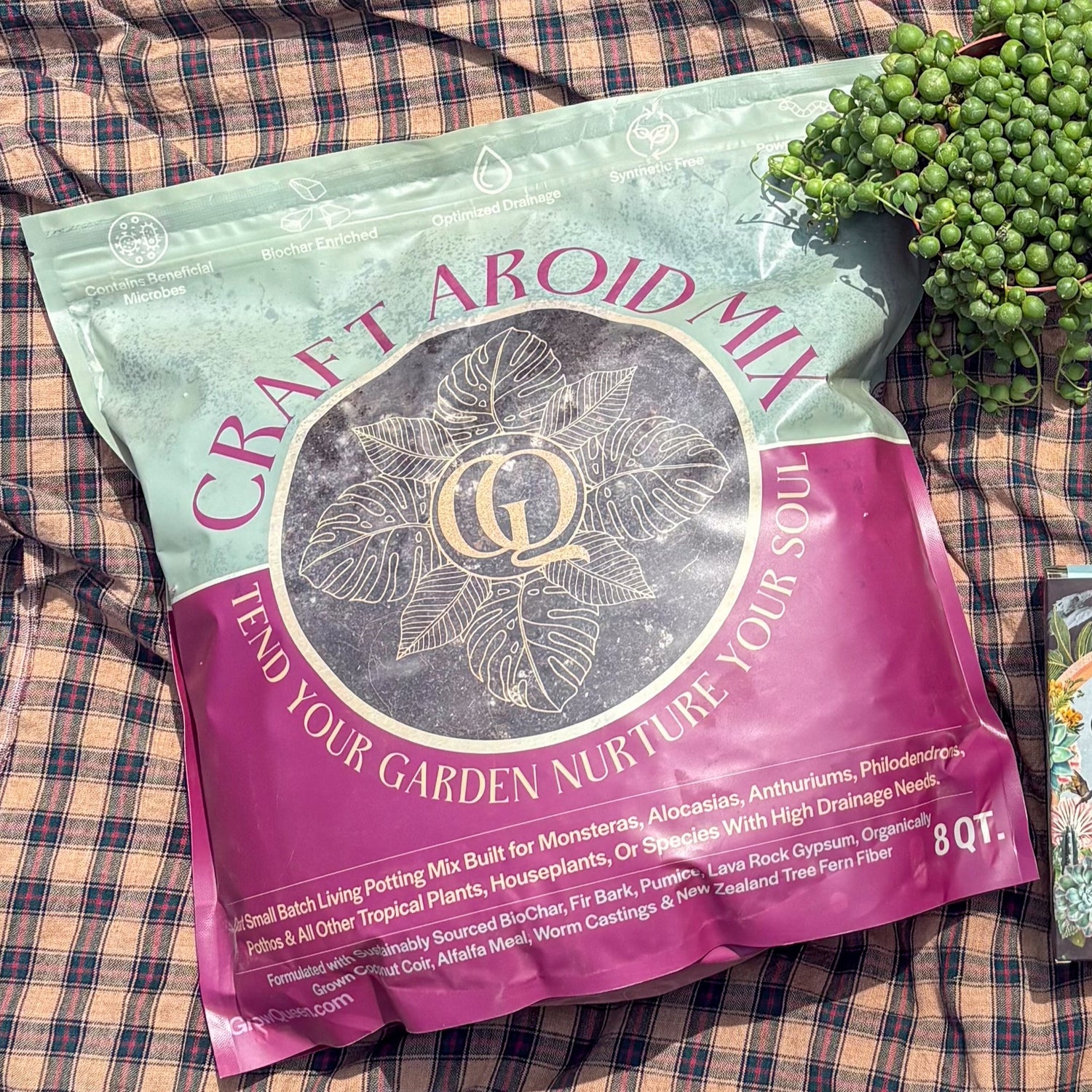
Our Aroid Mix includes:
- Coco coir
- Orchid bark
- Pumice
- Biochar
- Tree fern fiber
- Worm castings
Chunkier tropical mixes often mimic the forest floor environments these plants naturally evolved in.

The healthier the root zone, the more explosive the foliage growth tends to become.
🌡️ Temperature
Alocasia's love warmth and stability. They are true tropical plants and generally dislike cold temperatures or dramatic environmental swings.
Ideal temperatures range between:
- 65–85°F
Cold drafts, air conditioners, chilly windows, or prolonged exposure below 60°F may trigger:
- Yellowing
- Slowed growth
- Dormancy behavior
- Leaf loss
Keeping temperatures stable can make a surprisingly large difference in overall plant health. This is why many collectors lean toward a greenhouse, or grow cabinet where conditions can be controlled easier.
🍴 Fertilizing
Plant's need to eat too, and Alocasia's are fairly heavy feeders, especially during active growth seasons. Large foliage requires a lot of energy, nutrients, and root activity.
During spring and summer, regular weekly/biweekly feeding can help support:
- Larger leaves
- Faster growth
- Stronger roots
- Better coloration
- Improved resilience
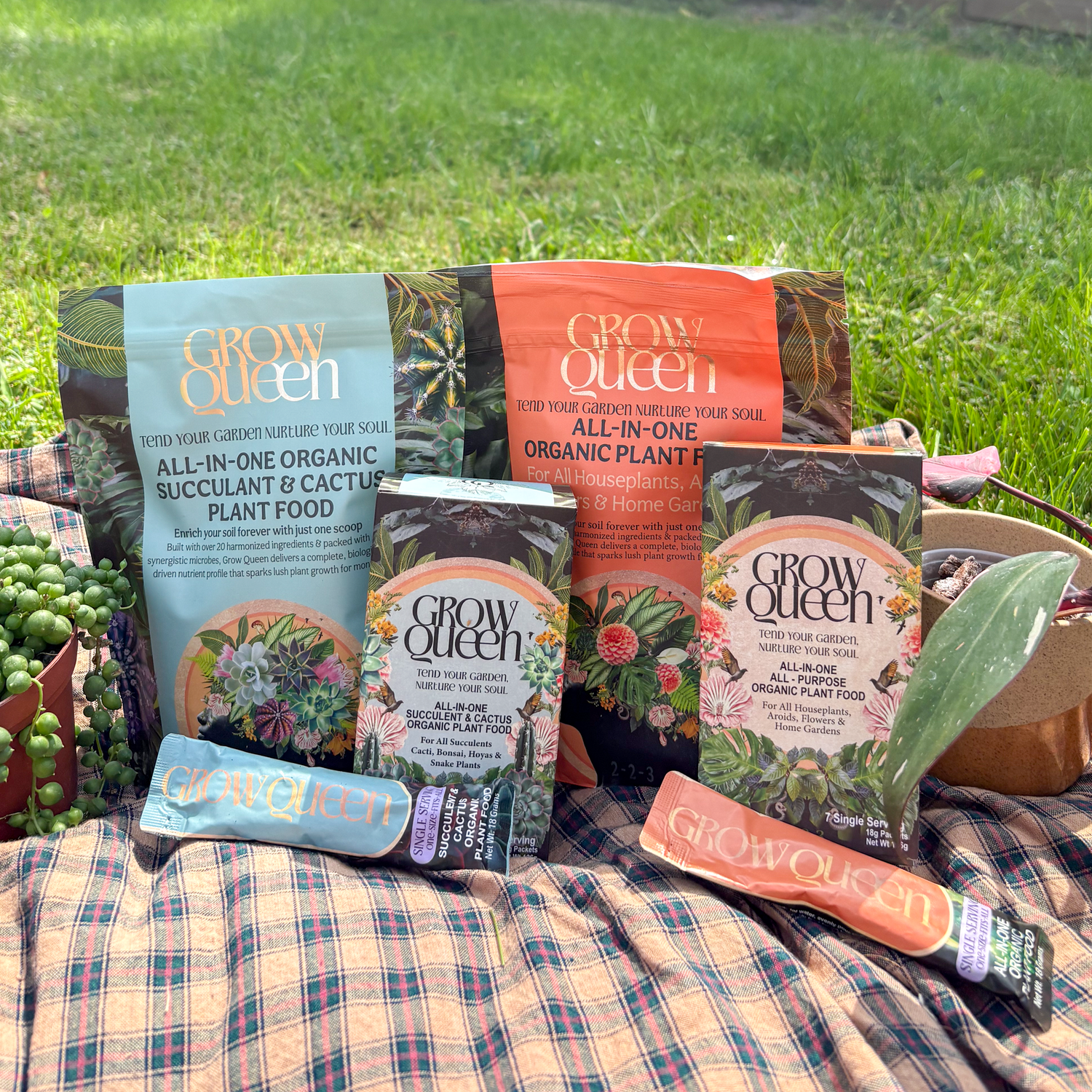
Balanced nutrition tends to work best. Many growers prefer combining organic nutrition with biologically active soils to support long-term root and microbial health.
Healthy roots almost always translate into healthier foliage:

🍂 Dormancy
One thing that surprises many newer Alocasia owners is dormancy behavior.
Some species naturally slow down or partially die back during winter, cooler temperatures, or periods of lower light. This can look alarming, especially when leaves begin yellowing or disappearing.
In many cases, this is completely normal.
During dormancy:
- Water less frequently
- Keep the plant warm
- Continue providing bright light
- Avoid keeping inactive roots too wet
Once conditions improve, many Alocasia's return aggressively with fresh new growth.
⚠️ Common Problems
Yellow Leaves
Yellowing is often caused by:
- Overwatering
- Cold stress
- Sudden environmental changes
- Natural aging of older leaves
Occasional older leaf loss is normal as new foliage develops.
Crispy Edges
This is commonly linked to:
- Low humidity
- Underwatering
- Excess fertilizer salts
- Excessive direct sun
Increasing humidity often helps significantly.
Drooping
Drooping can result from:
- Dry soil
- Root stress
- Temperature swings
- Repotting shock
Because Alocasias are highly responsive plants, they often visibly react to environmental stress quickly.
Root Rot
Root rot is most commonly caused by:
- Dense compact soil
- Poor drainage
- Overwatering in low light
- Lack of oxygen around the roots
Remember: roots breathe too.
🔄 Repotting
Alocasia's generally appreciate repotting once established and actively growing.
Signs it may be time to repot include:
- Roots circling heavily
- Soil drying very quickly
- Roots emerging from drainage holes
- Slowed growth despite healthy care
When repotting:
- Avoid oversized pots
- Use breathable chunky soil
- Water thoroughly after transplanting
- Keep humidity elevated during recovery
Many Alocasia's respond extremely well to fresh oxygen-rich soil and quickly accelerate growth afterward.
🌰 Corms & Propagation
One of the most exciting parts of growing Alocasias is discovering corms hidden beneath the soil during repotting. Corms are small underground storage structures that Alocasias produce naturally as part of their growth cycle. These corms can eventually grow into entirely new plants.
In the wild, corm production helps Alocasias spread across the rainforest floor and survive periods of stress or environmental change. Indoors, they give growers a fun and rewarding way to propagate their plants.
Corms are usually found:
- Attached near the root system
- Along underground rhizomes
- Buried in the soil during repotting
Healthy corms are generally firm and round with a smooth outer surface. Some may already show tiny roots or growth points when removed from the mother plant.
🌱 How to Grow Alocasia Corms
Many growers sprout corms in:
- Moss/semihydro
- Shallow water setups
- Humid propagation containers
Warmth and humidity are extremely important during this stage. Most corms sprout best in consistently warm conditions with moderate moisture and airflow.
A common mistake is keeping corms too wet with no oxygen. Just like mature Alocasias, corms are prone to rotting if conditions become stagnant.
Corms are produced underground, so strong root health is everything. Mature, well-established Alocasias with healthy root systems will almost always produce more corms naturally.
- Give bright indirect light
- Keep temperatures warm (70–85°F ideal)
- Maintain consistent moisture without soggy soil
- Use chunky breathable soil
- Feed consistently during active growth
- Keep humidity elevated
✨ Final Thoughts
Alocasias may seem intimidating at first, but they become far easier once you understand the rainforest conditions they evolved in. Warmth, humidity, airflow, bright filtered light, and breathable soil are the true foundation of success.
When their environment is right, Alocasias reward growers with some of the most dramatic, exotic, and breathtaking foliage in the entire plant world.
0 comments