
If you’ve ever asked yourself:
“Why is my plant yellowing?”
“Why does my soil stay wet so long?”
“Why does my tropical plant keep getting root rot?”
“How can I improve my plant soil?”
“Why is my Monstera struggling indoors?”
The answer often starts below the surface.
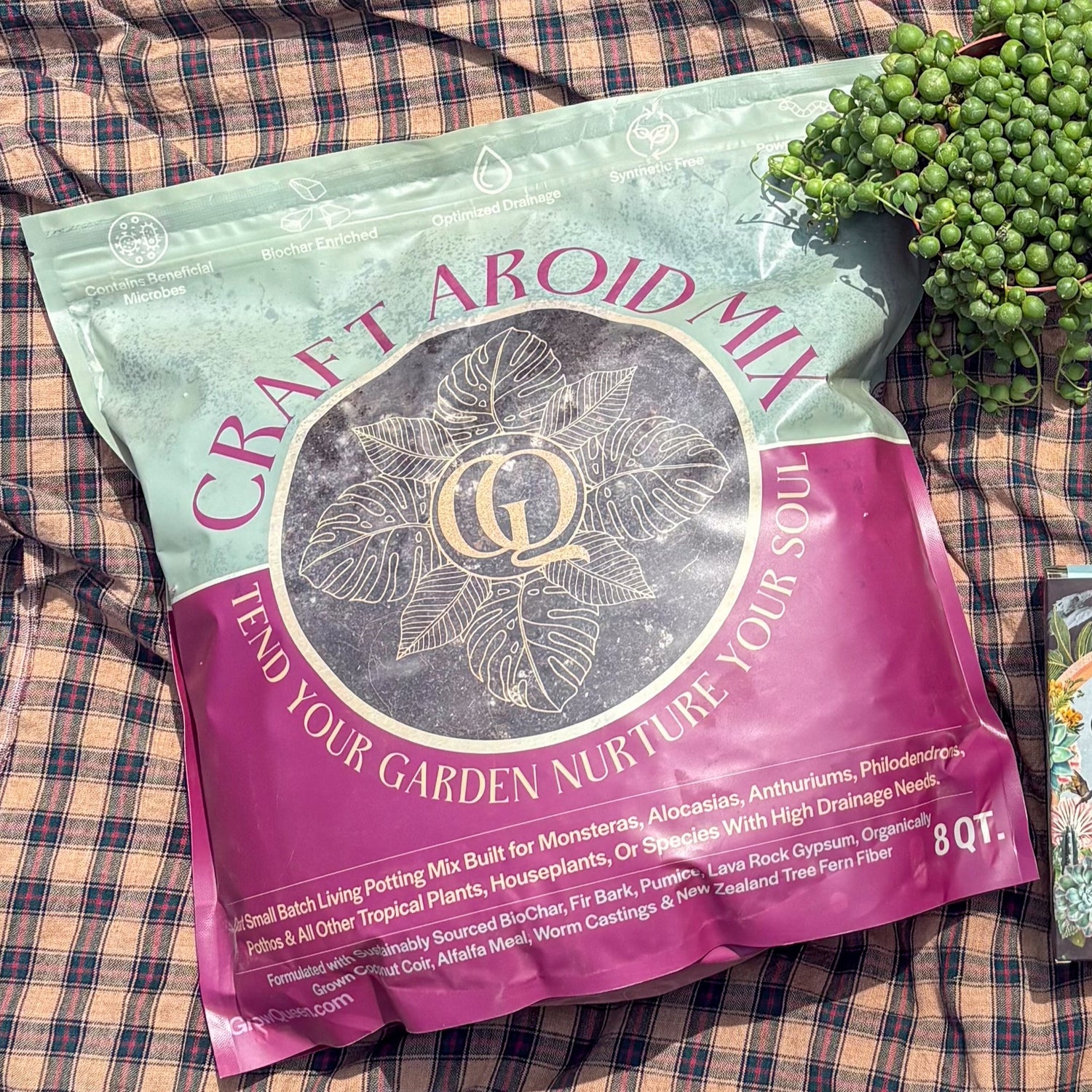
At Grow Queen, we believe healthy plants start with healthy roots, which is why fir bark is one of the foundational ingredients in our tropical plant soil mixes.

What Is Fir Bark?
Fir bark is a natural byproduct of the lumber industry. During wood processing, bark is removed because it cannot be used for structural lumber production. Historically, much of this bark was discarded, burned, or treated as waste.
When processed for horticulture, however, fir bark becomes an incredible growing medium for tropical plants.
By repurposing this renewable byproduct into tropical plant soil, fir bark helps create a more sustainable alternative to dense peat heavy potting mixes while reducing waste from existing forestry operations.
Why Bark Is Good For Houseplants
Many tropical plants, including Monstera, Philodendron, Anthurium, Alocasia, and Epipremnum, naturally grow in loose forest debris, bark pockets, mossy crevices, and highly oxygenated environments.
Their roots evolved for airflow.
Fir bark helps recreate those conditions indoors by creating air pockets throughout the soil mix. This allows roots to breathe properly while helping excess water drain away more efficiently.
Healthy roots require oxygen just as much as they require moisture.
Why Dense Soil Causes Plant Problems
One of the most common reasons houseplants struggle is compacted soil that stays wet too long.
Dense potting soil can:
• suffocate roots
• increase root rot risk
• trap excess moisture
• reduce oxygen around the roots
• create yellow leaves
• weaken plant growth
This is especially common with tropical plants grown in generic indoor potting mixes.
If you’re searching:
“How do I stop overwatering my plants?”
“Why are my plant leaves turning yellow?”
“Why is my tropical plant dying?”
Your soil structure may be part of the problem.
Fir Bark Helps Balance Moisture And Drainage
One of the biggest misconceptions about chunky tropical soil mixes is that they dry too quickly.
In reality, fir bark helps create balance.
The bark itself can hold a moderate amount of moisture while still maintaining airflow throughout the root zone. This creates a healthier environment where roots stay hydrated without becoming swampy or waterlogged.
This is one reason chunky aroid mixes are often preferred for:
• Monstera care
• Philodendron care
• Alocasia care
• Anthurium care
• indoor tropical plants

Helps Support Healthy Root Growth
Healthy roots create healthier plants.
Fir bark helps support:
• stronger root systems
• improved root oxygenation
• better drainage
• healthier microbial activity
• long term soil structure
• more forgiving watering routines
A healthier root zone often leads to:
• stronger foliage
• healthier leaves
• more vigorous growth
• reduced stress after repotting
• lower risk of root rot
Supports Living Soil Biology
Healthy soil is an ecosystem.
Fir bark provides surface area and habitat for beneficial microbes and fungi that help support nutrient cycling and root health.
Living soil biology plays a huge role in long term tropical plant health and helps create more resilient plants over time.
Better Roots Create Better Plants
At Grow Queen, we believe tropical plant soil should work with nature, not against it.
Fir bark helps recreate the loose, breathable environments tropical plants evolved in naturally while supporting healthier indoor growing conditions.
Because healthier roots create healthier plants.
And plants should thrive, not just survive.

0 comments